





As the world shifts towards more sustainable energy solutions, electric vehicles (EVs) have become a focal point of this transition. With increasing consumer demand and government regulations pushing for greener alternatives, understanding the role of EV battery suppliers is crucial. These suppliers not only manufacture the batteries but also play a key role in the entire supply chain, influencing everything from production costs to technological advancements.
Understanding the Importance of EV Batteries
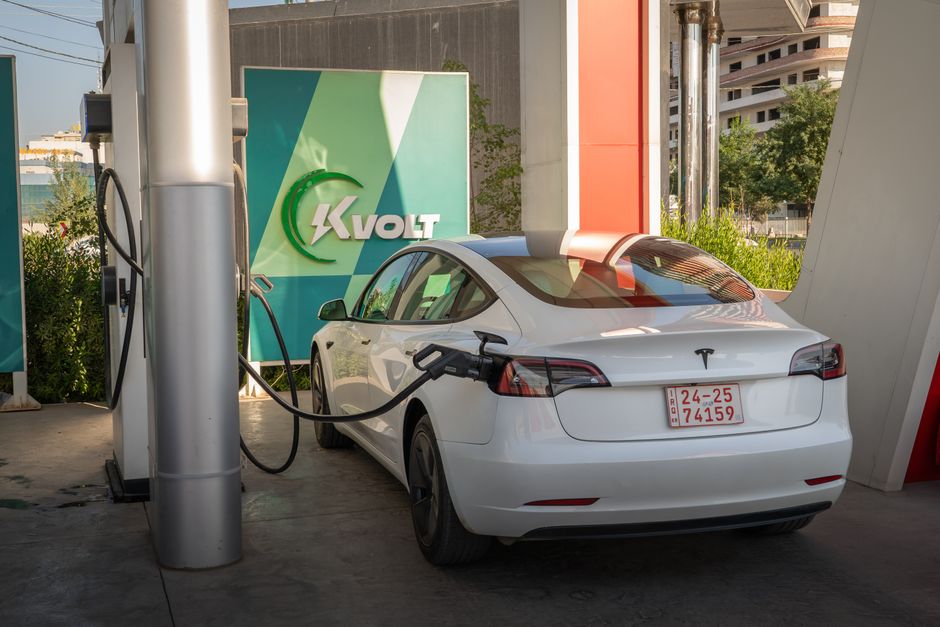
Electric vehicle batteries are the heart of EVs, responsible for storing and providing the energy that powers the vehicle. As a result, the quality and efficiency of these batteries directly affect the performance, range, and overall consumer satisfaction. Therefore, choosing the right EV battery supplier is essential for automakers looking to compete in the fast-evolving automotive landscape.
Furthermore, the development of battery technology has made significant strides in recent years. Innovations such as solid-state batteries and advancements in lithium-ion technology have not only improved battery performance but also reduced costs.
Key Players in the EV Battery Supply Market
The EV battery market is dominated by several key players who have established themselves through extensive research and development. Companies like Tesla, Panasonic, LG Chem, and CATL lead the charge, providing high-quality batteries that cater to various automotive manufacturers.
Tesla has set a benchmark with its Gigafactories, which not only produce batteries but also integrate renewable energy sources into their operations. This model not only decreases production costs but also enhances sustainability.
In addition, partnerships between automotive manufacturers and battery suppliers have become increasingly common. These collaborations allow for tailored battery designs that meet specific vehicle requirements, ultimately leading to better performance and efficiency.
Challenges Facing EV Battery Suppliers
Despite the rapid growth of the EV battery market, suppliers face several challenges. One of the most significant is the sourcing of raw materials. Lithium, cobalt, and nickel are essential components of most batteries, and their supply chains are often fraught with geopolitical tensions and environmental concerns.
Moreover, the recycling of used batteries poses another challenge. As the number of EVs on the road increases, so does the need for effective recycling solutions. Battery suppliers are investing in technologies to recover valuable materials from old batteries, but this process is still in its infancy.
The Future of EV Battery Technology
Looking ahead, the future of EV battery technology is promising. Researchers are exploring new materials and chemistries that could lead to batteries with greater energy density and longer lifespans. For instance, silicon anodes are being tested as a replacement for traditional graphite, potentially increasing the energy capacity of batteries significantly.
Additionally, the development of fast-charging technologies is set to revolutionize the EV market. Consumers are increasingly concerned about charging times, and advancements in this area will likely lead to widespread adoption of electric vehicles.
Conclusion
In conclusion, the role of EV battery suppliers is pivotal in the ongoing transition to electric mobility. As demand for electric vehicles continues to rise, so does the importance of reliable, efficient, and innovative battery solutions. By understanding the dynamics of this market, stakeholders can better navigate the challenges and opportunities that lie ahead, ensuring a sustainable future for electric mobility.




More Stories
Navigating the World of Children Toy Manufacturing
The Rising Trends in Children’s Toy Manufacturing
The Evolution and Impact of Children Toy Manufacturers