





The electric vehicle (EV) market is growing at an unprecedented pace, driven by the global push for sustainable transportation solutions. As the demand for EVs rises, so does the need for reliable and efficient batteries. Understanding the role of battery suppliers in this dynamic landscape is crucial for consumers, manufacturers, and investors alike. In this article, we will explore the leading EV battery suppliers, their technologies, and the future of battery production.
Understanding EV Battery Technology
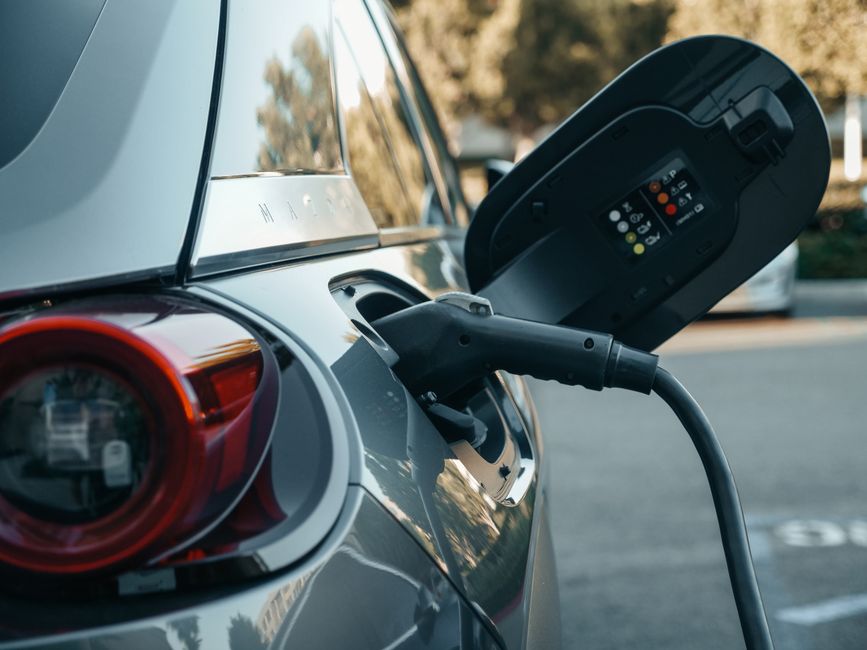
Electric vehicle batteries are primarily lithium-ion batteries, known for their high energy density and efficiency. These batteries power everything from compact electric cars to large electric trucks. The technology behind these batteries has evolved significantly over the past decade, leading to improvements in charging speed, lifespan, and overall performance. Key advancements such as solid-state batteries and newer chemistries promise even greater efficiency and safety.
Notably, the global demand for lithium-ion batteries is projected to reach 3,000 GWh by 2030, according to industry analysts. This surge in demand necessitates robust supply chains and innovative manufacturing processes. As a result, the spotlight is on EV battery suppliers who are stepping up to meet these challenges.
Leading Global EV Battery Suppliers
Several key players dominate the EV battery supplier landscape, each with their unique strengths and market strategies. Companies like CATL, LG Chem, and Panasonic are at the forefront, supplying batteries to major automakers worldwide. For instance, CATL, based in China, has rapidly ascended to become the world’s largest EV battery manufacturer, with a market share exceeding 30%.
LG Chem, a South Korean company, is known for its partnerships with leading automotive brands such as General Motors and Tesla. Their recent advancements in battery technology have allowed them to produce batteries with longer ranges and shorter charging times. Meanwhile, Panasonic, which collaborates closely with Tesla, has made significant investments in Gigafactories to ramp up production capacity.
The Role of Innovation in Battery Supply
Innovation is the cornerstone of the EV battery industry. Suppliers are constantly exploring new materials and manufacturing techniques to enhance battery performance. For example, the use of silicon anodes instead of traditional graphite is gaining traction, promising to increase battery energy density significantly.
Moreover, companies are investing heavily in recycling technologies to mitigate the environmental impact of battery production. The recycling of lithium-ion batteries can recover valuable materials, reducing the need for new raw materials and minimizing waste. This circular economy approach not only benefits the environment but also strengthens supply chain resilience.
Challenges Facing EV Battery Suppliers
Despite the promising growth of the EV battery market, suppliers face several challenges. One major issue is the volatility of raw material prices. Lithium, cobalt, and nickel prices have fluctuated dramatically, impacting production costs and profit margins for battery manufacturers.
Additionally, supply chain disruptions, exacerbated by global events such as the COVID-19 pandemic, have highlighted the vulnerabilities within the industry. Suppliers must adapt to these uncertainties by diversifying their sourcing strategies and investing in local production capabilities.
The Future Outlook for EV Battery Suppliers
Looking ahead, the future of EV battery suppliers appears bright, driven by both technological advancements and increasing consumer demand. The global automotive industry is expected to transition to electric mobility, with forecasts suggesting that by 2040, over 30% of all vehicles sold will be electric.
As the industry evolves, suppliers that prioritize innovation, sustainability, and collaboration will be well-positioned to thrive. Partnerships between battery manufacturers and automakers will become increasingly important, enabling the development of tailored solutions that meet specific performance and cost requirements.
Conclusion
The role of EV battery suppliers is pivotal in shaping the future of electric mobility. As the market continues to expand, understanding the dynamics of supply, technology, and innovation will be essential for stakeholders across the industry. With the right strategies and investments, the leading suppliers can not only meet the growing demand but also drive the transition to a more sustainable future.




More Stories
Navigating the World of Children Toy Manufacturing
The Rising Trends in Children’s Toy Manufacturing
The Evolution and Impact of Children Toy Manufacturers