





Psychiatric hospitals play a crucial role in the mental health landscape, serving as specialized facilities designed to provide care for individuals experiencing severe mental health issues. These institutions often serve as a lifeline for those in crisis, offering a structured environment where patients can receive the treatment they need to recover. This article aims to delve into the various aspects of psychiatric hospitals, including their functions, types of treatments offered, and the overall importance of mental health care.
What is a Psychiatric Hospital?
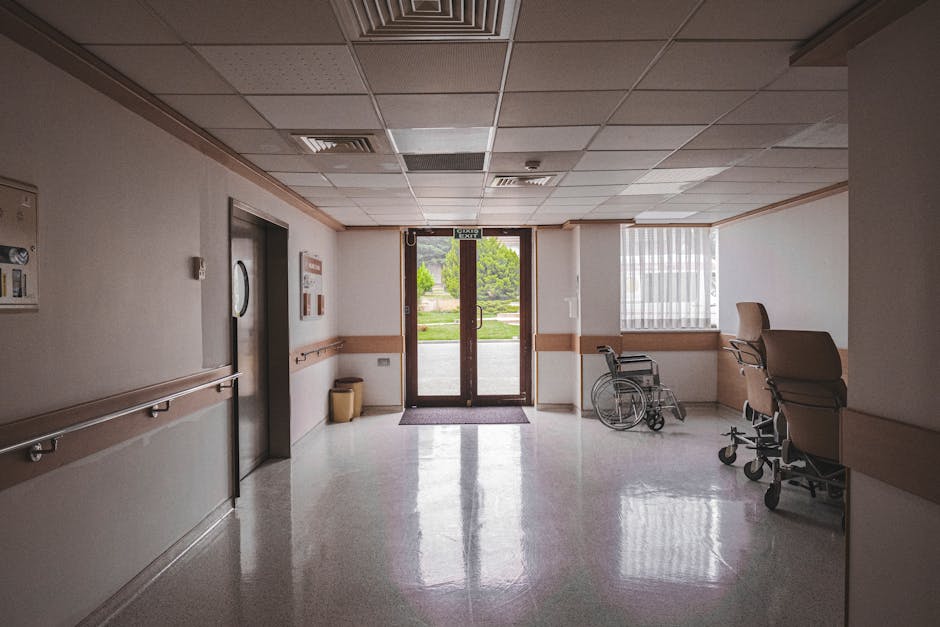
A psychiatric hospital, also known as a mental health facility, is a specialized institution dedicated to the treatment of mental disorders. Unlike general hospitals, psychiatric hospitals focus exclusively on mental health issues, providing a range of services that may include inpatient care, outpatient therapy, and various therapeutic interventions. These facilities are equipped with trained mental health professionals, including psychiatrists, psychologists, psychiatric nurses, and social workers, all working together to provide comprehensive care.
One of the primary goals of a psychiatric hospital is to stabilize patients during acute episodes of mental illness. This often involves medication management, crisis intervention, and intensive therapy. Patients may be admitted voluntarily or involuntarily, depending on the severity of their condition and the potential risk to themselves or others.
Types of Treatments Offered
Psychiatric hospitals offer a wide array of treatments tailored to the individual needs of patients. Some of the most common interventions include:
1. Medication Management: Psychotropic medications are often prescribed to help manage symptoms of mental illnesses such as depression, anxiety, bipolar disorder, and schizophrenia. Regular assessments are conducted to monitor the effectiveness of the medications and make necessary adjustments.
2. Individual and Group Therapy: Therapeutic sessions, both one-on-one and in groups, are crucial components of treatment. These sessions allow patients to explore their feelings, develop coping strategies, and gain insight into their conditions.
3. Occupational Therapy: Engaging patients in meaningful activities can help improve their social skills and overall functioning. Occupational therapy may involve art, music, or recreational activities that promote healing and recovery.
The Importance of Psychiatric Hospitals
Psychiatric hospitals serve a vital function in the mental health system. They provide a safe and supportive environment for individuals who are experiencing severe mental health crises. The structured setting of a psychiatric hospital can help reduce the symptoms of mental illness and facilitate recovery.
Furthermore, psychiatric hospitals play a key role in reducing the stigma surrounding mental health issues. By treating mental illnesses with the same seriousness as physical ailments, these facilities help promote a better understanding of mental health challenges in the community.
Challenges Faced by Psychiatric Hospitals
Despite their importance, psychiatric hospitals face numerous challenges. One significant issue is the stigma associated with mental illness, which can deter individuals from seeking help. Additionally, funding for mental health services is often limited, leading to overcrowded facilities and strained resources.
Moreover, there is a growing need for more integrated care models that include community-based services. As the understanding of mental health evolves, there is an increasing recognition that care should extend beyond the walls of psychiatric hospitals and into the community.
The Future of Psychiatric Hospitals
The future of psychiatric hospitals will likely involve a shift towards more holistic and patient-centered care. This includes integrating technology into treatment plans, such as teletherapy and mobile health applications, which can provide support to patients even after they leave the hospital.
As mental health awareness continues to rise, there is hope for increased funding and resources for psychiatric hospitals. This could lead to improved facilities, better staff training, and enhanced treatment options, ultimately benefiting patients and their families.
For those seeking specialized care, finding the right mental health professional is crucial. Many individuals are turning to resources to connect with qualified practitioners. For instance, in Dubai, a growing number of individuals are looking for a Psychiatrist dubai to help navigate their mental health challenges.
Conclusion
Psychiatric hospitals are essential components of the healthcare system, providing vital services to those in need of mental health support. Understanding their functions, the types of treatments offered, and the challenges they face is crucial for anyone seeking help or supporting a loved one. As society continues to evolve in its understanding of mental health, the role of psychiatric hospitals will undoubtedly adapt, prioritizing patient care and promoting recovery.




More Stories
The Essential Guide to Compounding Pharmacies
The Essential Guide to Compounding Pharmacy: Tailoring Medications to Individual Needs
The Essential Guide to Compounding Pharmacies