





In today’s dynamic business world, the significance of a well-designed commercial space cannot be overstated. A commercial interior designer plays a pivotal role in creating environments that not only reflect a brand’s identity but also enhance productivity and customer experiences. This article delves into the essential functions of commercial interior designers, the trends shaping the industry, and practical tips for businesses looking to revamp their spaces.
The Importance of Commercial Interior Design
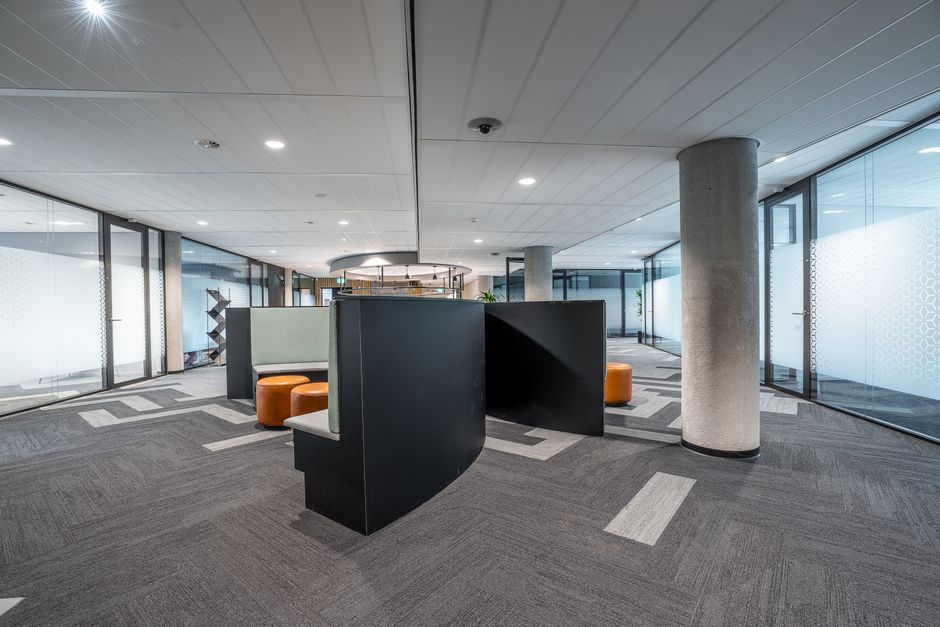
Commercial interior design is more than just aesthetics; it involves strategic planning and a thorough understanding of how spaces function. A well-designed commercial space can improve employee morale, increase productivity, and leave a lasting impression on clients. According to a study by the American Society of Interior Designers, nearly 90% of employees feel that their work environment affects their overall job satisfaction. This statistic highlights the vital role that interior design plays in the workplace.
Furthermore, a thoughtfully designed space can enhance a brand’s image. For instance, companies like Apple and Google invest heavily in their office designs to reflect innovation and creativity. Such environments foster collaboration and inspire employees, making them more likely to thrive in their roles.
Key Elements of Commercial Interior Design
When embarking on a commercial interior design project, several key elements should be considered. First and foremost is space planning. This involves analyzing how the space will be used and ensuring that it meets the functional needs of the business. Effective space planning maximizes the use of available square footage while maintaining a flow that enhances productivity.
Another crucial aspect is the selection of materials and finishes. The right choice can not only elevate the visual appeal of a space but also contribute to its durability and maintenance. Sustainable materials are increasingly favored, reflecting a growing awareness of environmental impacts. For example, many commercial interior designers now source eco-friendly materials that reduce carbon footprints while adding a modern touch to the design.
Current Trends in Commercial Interior Design
The commercial interior design landscape is continually evolving, with several trends emerging in recent years. One notable trend is the incorporation of biophilic design, which emphasizes the connection between nature and the built environment. This approach can include elements such as indoor plants, natural light, and earthy color palettes, all of which contribute to improved well-being among occupants.
Another trend is the use of flexible spaces that can adapt to various functions. With the rise of remote work and hybrid models, businesses are looking for designs that allow for quick reconfiguration of spaces. This flexibility enables companies to respond to changing needs without incurring significant costs.
Working with a Commercial Interior Designer
Collaborating with a professional commercial interior designer can significantly streamline the design process. These experts bring deep industry knowledge and resources that can save time and money. When selecting a designer, it is essential to review their portfolio and ensure their design philosophy aligns with your vision.
Moreover, clear communication is crucial throughout the project. Regular updates and feedback sessions can help ensure that the final outcome meets the expectations of all stakeholders. A skilled commercial interior designer will be adept at managing these aspects, providing a seamless experience from concept to completion.
Conclusion: Investing in Professional Design
In conclusion, the role of a commercial interior designer is integral to creating functional and aesthetically pleasing business environments. By understanding the importance of design, the key elements involved, and current trends, businesses can make informed decisions that enhance their spaces. Investing in professional design not only elevates the ambiance of a workplace but also fosters a positive culture that can lead to greater success in the long run.




More Stories
Discover the Future of Virtual Tours: A New Era in Photography
Transforming Workspaces: The Role of Office Fit Out Companies
Creating Inspiring Spaces: The Role of an Interior Design Firm