





In the competitive world of the restaurant industry, the interior design of a restaurant plays a crucial role in attracting and retaining customers. A well-thought-out design can evoke emotions, enhance the dining experience, and ultimately contribute to a restaurant’s success. This article explores key elements of restaurant interior design, providing insights into how ambiance, layout, and decor can be strategically utilized to create inviting spaces.
The Importance of Ambiance
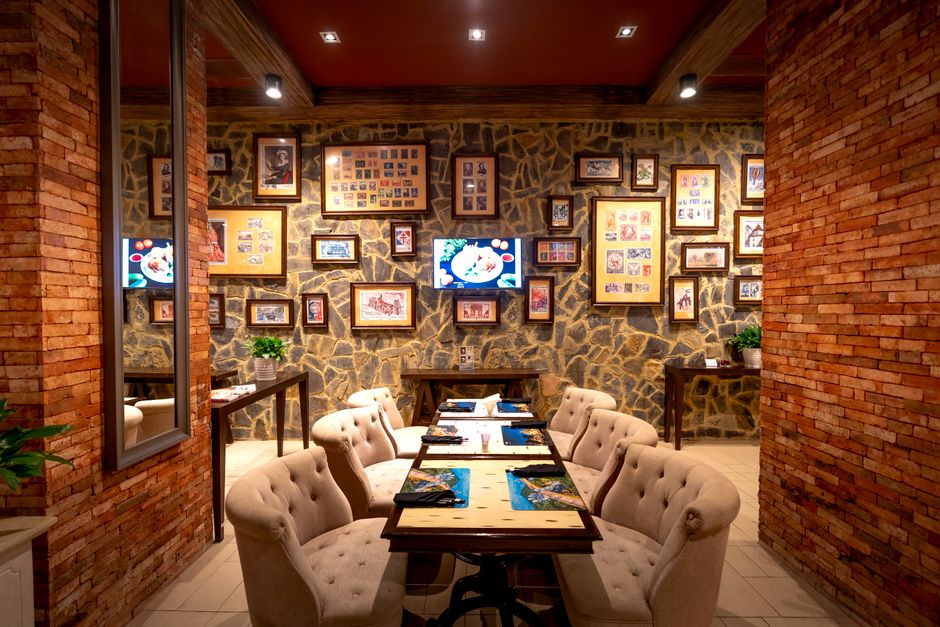
Ambiance is the overall atmosphere of a restaurant, influenced by various factors such as lighting, color schemes, and music. A cozy, warm ambiance can encourage guests to linger longer, while a vibrant, energetic atmosphere might attract a younger crowd looking for a lively social experience. According to a study by the Cornell University, diners are willing to spend more in restaurants with a pleasant ambiance. This underscores the importance of investing in thoughtful interior design that aligns with the restaurant’s theme and target audience.
Lighting is one of the most critical components of ambiance. Soft, dim lighting can create an intimate setting, while bright lights can energize the space. For example, a fine dining establishment might use chandeliers and soft spotlights to enhance the elegance of the interior, whereas a casual eatery might opt for bright, overhead lighting to create a more casual vibe.
In addition to lighting, the color palette also significantly impacts mood. Warm colors like red and orange can stimulate appetite, while cooler colors like blue and green are more calming. It’s essential to choose colors that not only reflect the restaurant’s brand but also evoke the desired emotions in diners.
Functional Layouts for Efficiency
The layout of a restaurant is crucial for both customer experience and operational efficiency. A well-planned layout facilitates smooth movement for both guests and staff. For instance, the arrangement of tables should promote an easy flow of traffic without creating bottlenecks. Open spaces allow servers to navigate efficiently, reducing wait times and enhancing service quality.
Moreover, the seating arrangement influences the dining experience. Different types of seating, such as booths, communal tables, and outdoor patios, can cater to various customer preferences. Offering a mix of seating options can accommodate families, couples, and groups, enhancing the overall appeal of the restaurant.
Furthermore, integrating an open kitchen design can create a sense of transparency and excitement. Diners can observe the cooking process, which not only entertains but also builds trust in the food being served. This design choice has become increasingly popular in modern eateries, where the connection between the chef and the customer is emphasized.
Incorporating Unique Decor
Decor is the finishing touch that gives a restaurant its unique identity. Unique decor elements can serve as conversation starters and enhance the overall theme of the restaurant. For example, a farm-to-table restaurant might incorporate rustic wooden accents and vintage farm tools, while a contemporary sushi bar might opt for sleek, minimalistic decor with Japanese art pieces.
Art installations, wall murals, and themed decorations can transform a simple space into a memorable dining experience. According to restaurant design experts, incorporating local art can not only beautify the space but also create a sense of community and connection with the local culture.
Moreover, seasonal decor changes can keep the restaurant feeling fresh and encourage repeat visits. Whether it’s autumn-themed centerpieces or festive holiday decorations, small updates can make a significant impact on customer experience.
Emphasizing Sustainability in Design
In recent years, sustainability has become a key consideration in restaurant interior design. Many consumers are increasingly aware of environmental issues and prefer dining in establishments that prioritize eco-friendly practices. Sustainable design choices, such as using reclaimed materials, energy-efficient lighting, and low-VOC paints, can attract environmentally-conscious diners.
Incorporating greenery, such as indoor plants or vertical gardens, not only beautifies the space but also improves air quality and creates a calming atmosphere. Restaurants that invest in sustainable practices can also leverage this in their marketing, appealing to a growing demographic that values sustainability.
Additionally, sourcing furniture from local artisans or using upcycled materials can further enhance a restaurant’s sustainable ethos. This approach not only supports local economies but also adds a unique character to the space.
Conclusion: Crafting the Perfect Experience
In conclusion, the art of restaurant interior design goes beyond mere aesthetics; it encompasses a strategic approach to creating an environment that enhances the dining experience. From establishing the right ambiance to optimizing the layout and incorporating unique decor, every element plays a vital role in attracting and retaining customers. As the industry evolves, staying attuned to design trends and consumer preferences is essential for success.
For those looking to dive deeper into this fascinating field, exploring resources on restaurant interior design can provide valuable insights and inspiration. Ultimately, a well-designed restaurant not only delights diners but also sets the stage for lasting memories and return visits.



More Stories
Navigating the World of Children Toy Manufacturing
The Rising Trends in Children’s Toy Manufacturing
The Evolution and Impact of Children Toy Manufacturers