





The fashion industry has undergone significant changes in recent years, particularly with the emergence of private label clothing. This trend has transformed how brands and retailers approach product development, marketing, and consumer engagement. In this article, we will explore the concept of private label clothing, its advantages, how to create your own line, and the future of this dynamic sector.
Understanding Private Label Clothing
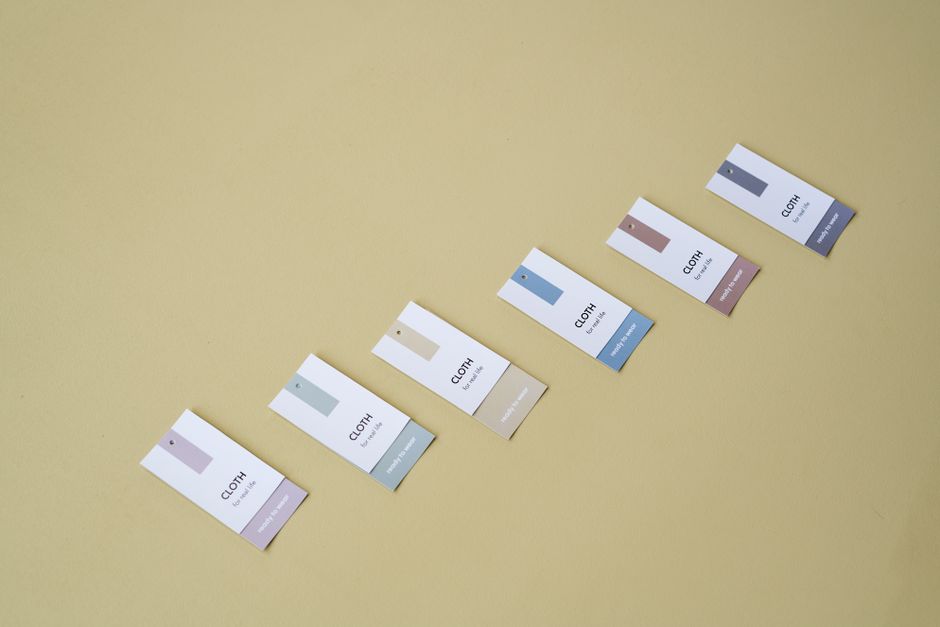
Private label clothing refers to apparel that is manufactured by one company and sold under another company’s brand name. Retailers often choose to create private label products to differentiate themselves in a highly competitive market. By offering unique products, they can foster customer loyalty and increase profit margins. This strategy allows retailers to have more control over pricing, branding, and inventory management.
According to a report by Statista, private label brands have been growing steadily, with projected sales reaching approximately $200 billion by 2024. This growth reflects the increasing consumer demand for affordable yet fashionable clothing options. Major retailers such as Target and Walmart have successfully leveraged private label strategies to enhance their market presence.
Advantages of Private Label Clothing
One of the key benefits of private label clothing is the ability to offer exclusive products that cannot be found elsewhere. This exclusivity creates a sense of urgency among consumers, encouraging them to make purchases before items sell out. Furthermore, private label products typically have higher profit margins compared to branded items, allowing retailers to maximize their revenue.
Additionally, private label clothing allows retailers to respond quickly to market trends. For instance, if a particular style becomes popular, a retailer can work with manufacturers to produce similar designs without the lengthy lead times associated with traditional brand partnerships. This agility is crucial in the fast-paced fashion industry.
How to Create Your Own Private Label Clothing Line
Starting a private label clothing line requires careful planning and execution. First, aspiring entrepreneurs should identify their target market and niche. Understanding the preferences and needs of your audience will guide product development and marketing strategies.
Next, conducting thorough research on potential manufacturers is essential. Look for suppliers that specialize in private label clothing and have a track record of producing high-quality products. Once you’ve selected a manufacturer, collaborate on design and production to ensure the final product aligns with your vision.
Finally, developing a strong brand identity is crucial. This includes creating an appealing logo, packaging, and marketing materials that convey your brand’s message. Effective branding will help differentiate your products in a crowded marketplace.
Marketing Your Private Label Clothing
Once your private label clothing line is ready, effective marketing strategies are vital to attract customers. Utilize social media platforms to showcase your designs, engage with your audience, and build a community around your brand. Influencer partnerships can also be beneficial, as influencers can introduce your products to their followers and boost brand visibility.
In addition, consider launching promotions or discounts to entice first-time buyers. Providing exceptional customer service will encourage repeat business and positive word-of-mouth recommendations. Creating an online store or utilizing e-commerce platforms can further expand your reach and make shopping convenient for customers.
The Future of Private Label Clothing
The trend of private label clothing is expected to continue growing as more retailers recognize the benefits it offers. With advancements in technology, such as on-demand manufacturing and digital design tools, creating private label products will become even more accessible for small businesses and entrepreneurs.
Moreover, sustainability is becoming a significant focus in the fashion industry. Retailers that prioritize eco-friendly practices in their private label clothing lines will likely resonate with environmentally conscious consumers. This shift towards sustainability will shape the future of private label clothing and drive innovation within the sector.
Conclusion
Private label clothing presents an exciting opportunity for retailers and entrepreneurs looking to make their mark in the fashion industry. By understanding the advantages, developing a unique brand, and implementing effective marketing strategies, anyone can successfully enter this growing market. As trends evolve, staying adaptable and innovative will be key to thriving in the world of private label clothing. For those interested, exploring resources and platforms such as private label clothing can provide valuable insights and connections.




More Stories
Transform Your Images with Professional Photo Editing Services
Transform Your Images with Professional Photo Editing Services
Unlocking the Power of Professional Photo Editing Services