





The industrial landscape is undergoing a significant transformation, driven by advancements in automation technology. As industries embrace these innovations, the role of industrial automation suppliers has become more crucial than ever. These suppliers provide the necessary tools and expertise to enhance productivity, efficiency, and safety in manufacturing processes. In this article, we will explore the various facets of industrial automation suppliers, their impact on the industry, and how businesses can leverage their services for growth.
Understanding Industrial Automation
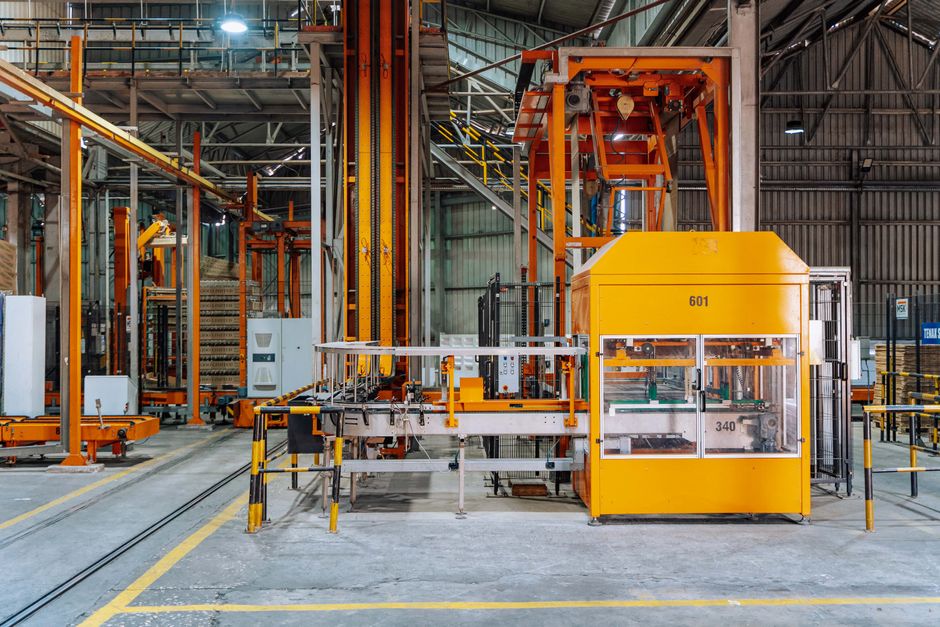
Industrial automation encompasses the use of control systems such as computers or robots for handling different processes and machinery in an industry to replace human intervention. This transition not only improves operational efficiency but also reduces the likelihood of errors and increases safety. Automation technology has evolved from simple mechanical devices to complex systems capable of managing entire production lines.
The driving forces behind industrial automation include the need for increased productivity, the desire for higher quality products, and the necessity for cost reduction. According to a report by the International Federation of Robotics, the global sales of industrial robots reached approximately 384,000 units in 2020, showcasing the growing reliance on automation in manufacturing.
The Role of Industrial Automation Suppliers
Industrial automation suppliers play a pivotal role in facilitating the transition to automated systems. They provide essential components such as sensors, actuators, controllers, and software solutions tailored to the specific needs of industries. These suppliers not only supply products but also offer consulting services to help businesses implement automation strategies effectively.
One of the key advantages of working with a reliable industrial automation supplier is access to cutting-edge technology and expertise. Suppliers often stay updated with the latest technological advancements, ensuring that their clients benefit from state-of-the-art solutions. This partnership can lead to improved operational efficiencies and reduced downtime, ultimately contributing to the bottom line of the company.
Challenges in Selecting an Automation Supplier
Choosing the right industrial automation supplier can be challenging due to the plethora of options available in the market. Businesses must consider factors such as the supplier’s experience, product offerings, customer support, and industry reputation. Additionally, compatibility with existing systems and scalability for future growth are critical considerations.
Companies should conduct thorough research and possibly seek recommendations from industry peers before making a decision. It’s also beneficial to assess the supplier’s track record in delivering successful automation projects. By selecting a reputable supplier, businesses can mitigate risks associated with automation implementation.
Future Trends in Industrial Automation
The future of industrial automation is poised for even more significant advancements. Technologies such as the Internet of Things (IoT), artificial intelligence (AI), and machine learning are set to revolutionize the way industries operate. IoT devices will enable real-time data collection and analysis, allowing for smarter decision-making and predictive maintenance.
Furthermore, the integration of AI into automation systems will enhance process optimization and enable machines to learn from their environment. As a result, we can expect to see a surge in autonomous systems capable of performing complex tasks with minimal human intervention.
Conclusion
As industries navigate the complexities of modern manufacturing, the importance of industrial automation suppliers cannot be overstated. These suppliers provide the necessary tools and expertise to facilitate the adoption of automation technologies, ultimately driving productivity and efficiency. By understanding the role of these suppliers and staying informed about industry trends, businesses can position themselves for success in an increasingly automated world.




More Stories
Navigating the World of Children Toy Manufacturing
The Rising Trends in Children’s Toy Manufacturing
The Evolution and Impact of Children Toy Manufacturers