





As the world grapples with the consequences of plastic pollution, the role of plastic recycling companies has become increasingly vital. These companies not only help in reducing waste but also play a significant role in promoting sustainable practices. In this article, we will explore the innovations that are shaping the future of plastic recycling, the challenges faced by the industry, and the importance of collaboration among stakeholders.
Innovative Technologies in Plastic Recycling
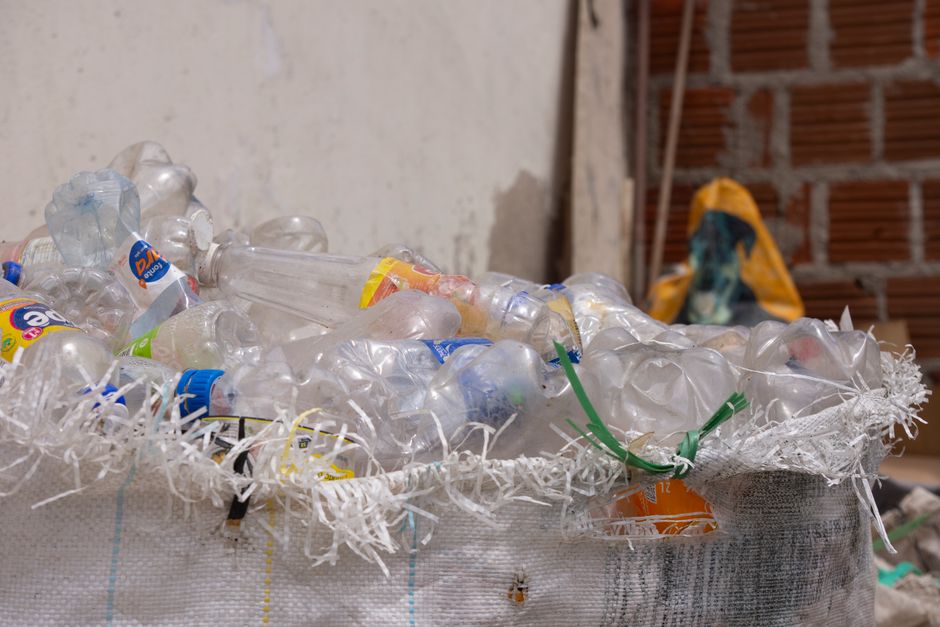
The plastic recycling industry is witnessing groundbreaking technological advancements that are revolutionizing the way plastics are processed. One such innovation is chemical recycling, which breaks down plastics into their original monomers, allowing for the production of high-quality recycled materials. This method is particularly beneficial for difficult-to-recycle plastics, such as polystyrene and multi-layered packaging.
Another promising technology is the development of biodegradable plastics. Companies are investing in research to create materials that can decompose naturally, reducing the long-term impact on the environment. These innovations not only enhance recycling rates but also contribute to a circular economy where materials are reused rather than discarded.
Moreover, advancements in sorting technologies, such as artificial intelligence and machine learning, are streamlining the recycling process. These technologies improve the efficiency of material recovery facilities by accurately identifying and sorting different types of plastics, leading to higher quality recycled products.
Challenges Facing the Plastic Recycling Industry
Despite the progress made, the plastic recycling industry faces significant challenges that hinder its growth. One of the main issues is the contamination of recyclable materials. Contaminants can significantly reduce the quality of recycled plastics, making them less desirable for manufacturers. Public awareness and education on proper recycling practices are crucial in mitigating this issue.
Furthermore, the fluctuating prices of virgin plastic materials often undermine the economic viability of recycling. When the cost of new plastics is lower than recycled alternatives, manufacturers are less likely to invest in recycled materials. This economic challenge calls for greater government support and policies that incentivize the use of recycled materials.
Lastly, the lack of infrastructure in many regions poses a barrier to effective recycling. Developing countries, in particular, often lack the necessary facilities to process recyclable materials, leading to increased waste and pollution. Investment in recycling infrastructure is essential to create a more sustainable future.
The Role of Collaboration among Stakeholders
Collaboration is key to overcoming the challenges faced by the plastic recycling industry. Manufacturers, policymakers, and consumers must work together to create a more sustainable system. Companies can benefit from partnerships with recycling firms to ensure a steady supply of high-quality recycled materials.
Moreover, governments can play a pivotal role by implementing regulations that promote recycling and reduce plastic waste. For instance, extended producer responsibility (EPR) programs hold manufacturers accountable for the entire lifecycle of their products, encouraging them to design for recyclability.
Consumer engagement is equally important. By educating the public on the benefits of recycling and how to properly dispose of plastics, we can foster a culture of sustainability. Companies like plastic recycling company are leading the way in this effort by providing resources and information to help consumers make informed choices.
Success Stories in Plastic Recycling
Several companies and initiatives have emerged as success stories in the field of plastic recycling. For instance, Coca-Cola has committed to using 50% recycled content in its bottles by 2030, reflecting a significant industry shift towards sustainability. Similarly, Unilever has pledged to make all its plastic packaging recyclable, reusable, or compostable by 2025.
Community-led initiatives have also proven effective in enhancing local recycling efforts. Programs that encourage citizens to participate in recycling drives and educational campaigns have increased recycling rates and reduced plastic waste in various regions.
These success stories exemplify how collective action can lead to meaningful change in the plastic recycling landscape. By sharing knowledge and resources, stakeholders can inspire others to adopt similar practices and contribute to a more sustainable future.
Conclusion: A Sustainable Future for Plastic Recycling
The future of plastic recycling is bright yet fraught with challenges. Innovations in technology and increased collaboration among stakeholders are paving the way for a more sustainable approach to plastic waste management. By addressing the challenges of contamination, economic viability, and infrastructure, we can enhance the effectiveness of recycling programs worldwide.
As consumers, we also have a role to play in this effort. By making conscious choices and supporting companies that prioritize sustainability, we can drive demand for recycled materials and help create a circular economy. Together, we can work towards a future where plastic recycling is not just an option, but a standard practice for all.




More Stories
Navigating the World of Children Toy Manufacturing
The Rising Trends in Children’s Toy Manufacturing
The Evolution and Impact of Children Toy Manufacturers