





As the global population continues to rise, the demand for sustainable food production has never been greater. Traditional farming methods are becoming increasingly challenged by urbanization, climate change, and resource scarcity. In this context, vertical farming technology emerges as a revolutionary solution, promising to reshape how we think about agriculture.
Understanding Vertical Farming
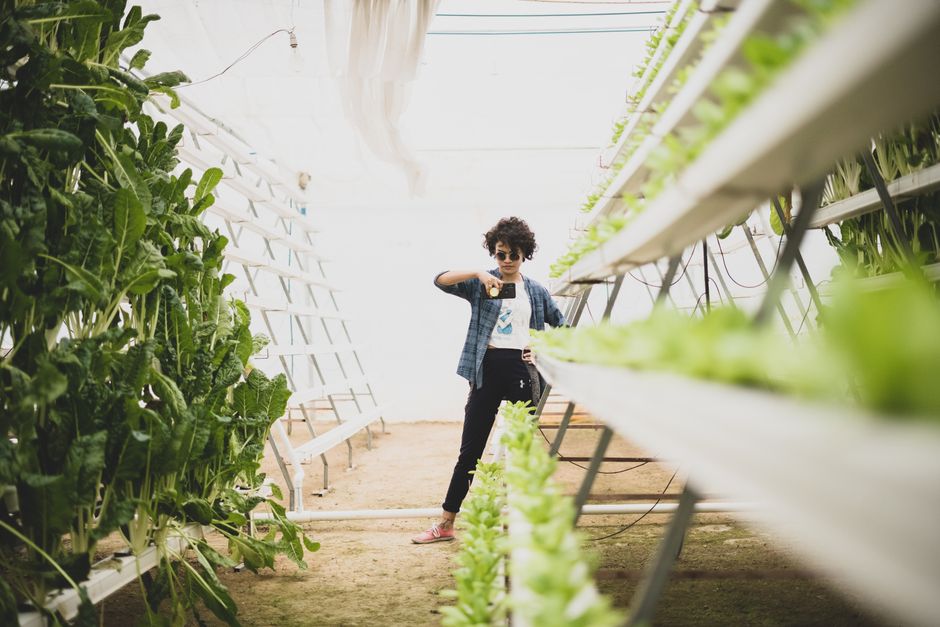
Vertical farming refers to the practice of growing crops in vertically stacked layers, often utilizing controlled environments to optimize conditions for plant growth. This innovative approach can be implemented in urban settings, where space is limited, and it leverages technology to produce food more efficiently. The systems can range from simple home setups to large-scale industrial farms, all designed to maximize yield while minimizing the use of land and water.
One of the key advantages of vertical farming is its ability to reduce the carbon footprint associated with food production. By locating farms closer to urban centers, transportation emissions can be significantly lowered. Additionally, vertical farms typically use hydroponic or aeroponic systems, which consume less water than traditional farming methods. According to a study by the International Journal of Environmental Research and Public Health, vertical farms can reduce water usage by up to 90% compared to conventional agriculture.
Technological Innovations Driving Vertical Farming
The backbone of vertical farming technology lies in various innovative tools and systems. LED lighting, for instance, is crucial for providing the right light spectrum for plant growth, enabling year-round cultivation irrespective of external weather conditions. These lights are energy-efficient and can be tailored to the specific needs of different crops.
Automation also plays a significant role in vertical farming. Many farms incorporate advanced sensors and IoT devices that monitor environmental conditions such as temperature, humidity, and nutrient levels in real-time. This data allows for precision farming techniques, where inputs can be adjusted to optimize plant health and yield. The integration of robotics for planting, harvesting, and maintenance tasks further enhances the efficiency of these systems.
Economic Viability of Vertical Farms
While the initial setup costs for vertical farms can be high, the long-term economic benefits are substantial. Vertical farms can produce crops at a lower cost per unit than traditional farms due to their efficient use of resources. Additionally, the ability to grow food locally reduces transportation costs and spoilage, leading to fresher produce for consumers.
Market trends indicate a growing interest in locally sourced food, which has led to an increase in consumer willingness to pay a premium for fresh, sustainably grown produce. For instance, the vertical farming market is projected to reach $12.77 billion by 2026, according to a report by Research and Markets. This growth presents a lucrative opportunity for entrepreneurs and investors looking to enter the agricultural sector.
Challenges Facing Vertical Farming
Despite its many advantages, vertical farming technology is not without challenges. One of the primary hurdles is the energy consumption associated with lighting and climate control systems. As farms scale up, managing energy costs becomes critical to maintaining profitability.
Moreover, the technology and infrastructure required for vertical farming are still evolving. Many regions lack the necessary knowledge and expertise to implement these systems effectively, leading to potential operational inefficiencies. This gap presents an opportunity for education and training programs aimed at equipping future farmers with the skills needed to succeed in this innovative field.
Conclusion: The Path Forward for Vertical Farming
Vertical farming technology represents a promising solution to some of the most pressing challenges in modern agriculture. By harnessing innovative technologies and sustainable practices, it offers a way to produce food in urban environments while minimizing environmental impact. As we look to the future, investing in vertical farming not only addresses food security concerns but also paves the way for a more resilient agricultural system.
For those interested in exploring the potential of vertical farming technology, staying informed about advancements and best practices will be essential in navigating this rapidly evolving landscape.




More Stories
The Evolution and Impact of Animation Studios in Modern Media
고기집 창업, 성공을 위한 필수 가이드
고기집 창업, 성공을 위한 필수 가이드