





In today’s dynamic environment, effective space planning is crucial for enhancing productivity and optimizing resource utilization. Whether you’re designing a new office, retail space, or residential area, a space planning consultant can provide the expertise needed to create functional and aesthetically pleasing environments. This article delves into the role of space planning consultants, their methodologies, and the benefits they bring to various projects.
Understanding the Role of a Space Planning Consultant
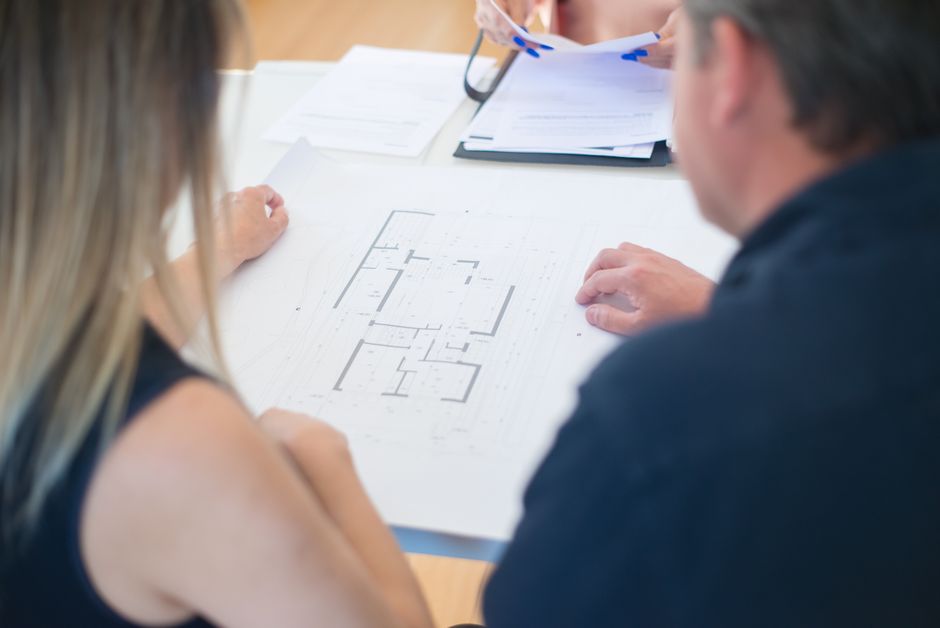
A space planning consultant specializes in designing and organizing physical spaces to maximize their efficiency and effectiveness. Their primary responsibility is to analyze how a space will be used and to create layouts that facilitate workflow, comfort, and functionality. This includes evaluating factors like furniture layout, traffic flow, and accessibility.
Consultants often work closely with architects, interior designers, and clients to ensure that every aspect of the space aligns with the client’s goals. They utilize drawing software and 3D models to visualize the proposed layouts, making it easier for clients to understand the final outcome.
Moreover, a space planning consultant applies principles of ergonomics and design thinking to create spaces that not only meet functional requirements but also enhance the user experience. By integrating these principles, they ensure that the spaces they design are conducive to productivity and well-being.
Key Benefits of Hiring a Space Planning Consultant
One of the significant advantages of hiring a space planning consultant is their expertise in optimizing space usage. According to studies, well-planned spaces can enhance productivity by up to 20%. This improvement stems from better organization and a layout that supports the specific activities taking place within the space.
Additionally, consultants help clients avoid costly mistakes. They can foresee potential issues in the design phase that might lead to inefficiencies or increased costs later on. For example, a poorly designed workspace could lead to increased employee dissatisfaction and higher turnover rates, which can be detrimental to a business’s bottom line.
Their involvement can also lead to better compliance with safety and regulatory standards. A space planning consultant is knowledgeable about local building codes and regulations, ensuring that the designs adhere to legal requirements, thereby minimizing risks for the client.
Process of Space Planning Consultation
The process of engaging a space planning consultant typically begins with an initial consultation. During this phase, the consultant assesses the client’s needs, goals, and budget. This step is crucial as it lays the foundation for the entire project.
Once the requirements are established, the consultant conducts a thorough analysis of the existing space. This may include site visits, measurements, and discussions with stakeholders to gather comprehensive insights. Following this analysis, the consultant develops design concepts and presents them to the client for feedback.
After receiving input, the consultant refines the designs and prepares detailed plans, including layouts, furniture arrangements, and specifications. Finally, they may assist with the implementation of the design, coordinating with contractors and vendors to ensure that the vision is realized effectively.
Examples of Successful Space Planning Projects
A notable example of effective space planning can be seen in various corporate offices that have undergone a redesign. Companies that prioritized open office layouts reported a 15% increase in collaboration among employees. These designs promote communication and foster a sense of community, which is particularly beneficial in creative industries.
In the retail sector, brands that utilized space planning consultants to optimize their store layouts have seen a significant increase in sales. By strategically placing high-demand products at eye level and creating clear pathways, these stores enhanced the shopping experience, leading to longer customer dwell times and increased purchases.
Residential projects also benefit from expert space planning. Homes designed with a focus on maximizing space often feature multifunctional furniture and open-concept layouts, making them more appealing to potential buyers. This approach has become increasingly popular in urban areas where space is at a premium.
Choosing the Right Space Planning Consultant
When selecting a space planning consultant, it’s essential to consider their experience and portfolio. Reviewing past projects can provide insights into their design style and effectiveness. Additionally, client testimonials can reveal their ability to meet deadlines and stay within budget.
Another crucial factor is communication. A good consultant should be able to articulate their ideas clearly and be receptive to client feedback. This collaborative approach ensures that the final design aligns with the client’s vision and needs.
Finally, consider the consultant’s understanding of current trends and technologies in space planning. A knowledgeable consultant will incorporate innovative solutions and sustainable practices into their designs, ensuring that the space is both modern and environmentally friendly.
Conclusion
In summary, the role of a space planning consultant is vital in creating efficient and functional spaces across various sectors. Their expertise can lead to significant improvements in productivity, compliance, and overall satisfaction. By understanding the process and benefits of space planning consulting, businesses and individuals can make informed decisions that enhance their spatial environments. For those seeking a professional touch, engaging a space planning consultant can be a transformative step toward achieving their desired outcomes.




More Stories
Discover the Future of Virtual Tours: A New Era in Photography
Transforming Workspaces: The Role of Office Fit Out Companies
Creating Inspiring Spaces: The Role of an Interior Design Firm