





In today’s manufacturing landscape, metal fabrication shops play a vital role in producing parts and assemblies that are essential for various industries. From automotive to aerospace, the demand for precision-engineered metal components has surged, making these shops indispensable. This article delves into the workings of metal fabrication shops, the processes they employ, and what to look for when choosing a reliable provider.
Understanding Metal Fabrication
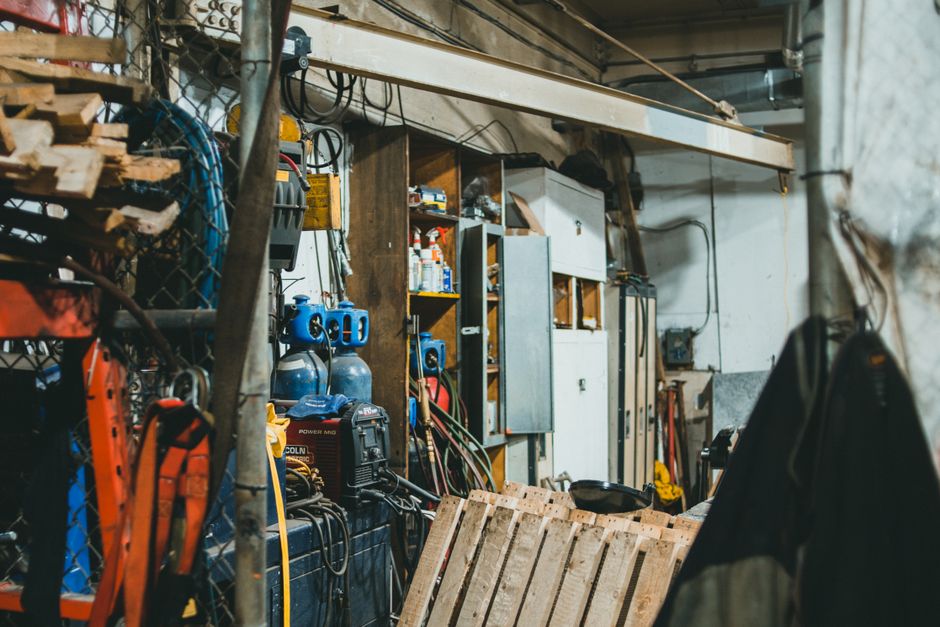
Metal fabrication is the process of creating metal structures by cutting, bending, and assembling processes. It involves several operations, including machining, welding, and forming. The fabrication process is crucial for producing everything from small parts to large structures like bridges and buildings. The quality of the end product largely depends on the shop’s capability and the technologies they employ.
One of the core elements of metal fabrication is the use of Computer Numerical Control (CNC) machines. These advanced tools allow for high precision and efficiency in cutting and shaping metal. Additionally, skilled labor is essential to ensure that the machines are operated correctly and that the finished products meet the required standards.
Key Processes in Metal Fabrication
Metal fabrication encompasses several key processes that are essential for creating high-quality products. Here are some of the most common techniques used:
Cutting: This is the first step in metal fabrication, where raw materials are cut into specific shapes and sizes. Techniques such as laser cutting, plasma cutting, and water jet cutting are popular for their precision and versatility.
Bending: After cutting, the metal pieces often need to be bent to achieve the desired shape. This can be accomplished using press brakes or other bending machines that can manipulate metal at various angles.
Welding: Welding is a critical process in metal fabrication, where different metal parts are joined together. Various welding techniques, including MIG, TIG, and spot welding, are employed depending on the materials and the requirements of the project.
Choosing the Right Metal Fabrication Shop
Selecting the right metal fabrication shop is crucial for ensuring the quality and efficiency of your project. Here are some factors to consider:
Experience: Look for a shop with a proven track record in the industry. Experienced fabricators are more likely to understand the intricacies of various materials and processes.
Technology: A modern metal fabrication shop should be equipped with the latest machinery and technologies. This includes CNC machines, advanced welding equipment, and software for design and engineering.
Customization: Depending on your project needs, find a shop that offers customization options. The ability to tailor products to specific requirements can save time and reduce costs.
Also, consider checking out a reputable metal fabrication shop that has positive reviews and a portfolio showcasing their past work.
Future Trends in Metal Fabrication
The landscape of metal fabrication is continually evolving, driven by technological advancements and market demands. Here are some trends to watch:
Automation: Automation is set to reshape the fabrication industry, with robots and automated systems becoming more common. This shift not only increases efficiency but also helps in maintaining consistent quality.
Sustainability: As industries move towards greener practices, metal fabrication shops are also adopting sustainable methods. This includes recycling scrap metal and using eco-friendly materials wherever possible.
Digital Integration: The integration of digital technologies, such as IoT (Internet of Things) and AI (Artificial Intelligence), is enhancing the precision and efficiency of fabrication processes. These technologies allow for better monitoring and optimization of production lines.
Conclusion
Metal fabrication shops are integral to various sectors, providing the necessary components that drive innovation and production. Understanding the processes, choosing the right shop, and staying informed about industry trends can significantly impact the success of your projects. As technology continues to advance, partnering with a capable metal fabrication shop will be essential for achieving the best results in an increasingly competitive market.




More Stories
Navigating the World of Children Toy Manufacturing
The Rising Trends in Children’s Toy Manufacturing
The Evolution and Impact of Children Toy Manufacturers