





In recent years, the culinary world has witnessed a resurgence of interest in handmade pizza. This trend is not merely about food; it is about the artistry, tradition, and the personal touch that goes into crafting each pie. Handmade pizza represents a connection to the ingredients, the cooking process, and ultimately, to the people who enjoy it. In this article, we will explore the nuances of handmade pizza, from the selection of ingredients to the art of baking, and provide practical tips for creating your own masterpiece at home.
The Importance of High-Quality Ingredients
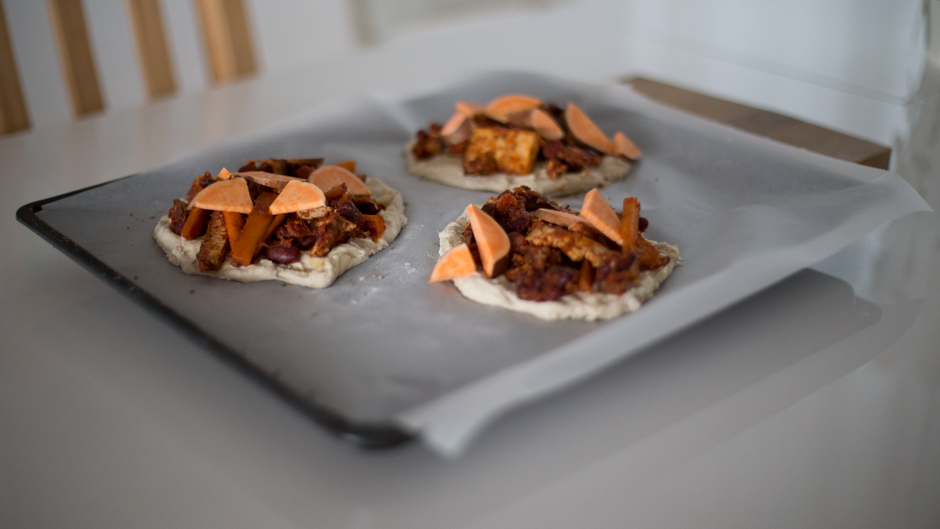
When it comes to handmade pizza, the quality of ingredients is paramount. Fresh, organic produce can make a significant difference in flavor and texture. For example, using San Marzano tomatoes for the sauce can elevate your pizza to gourmet status. Additionally, the choice of cheese plays a crucial role; fresh mozzarella is often preferred for its creamy texture and rich taste. Incorporating high-quality ingredients not only enhances the flavor but also reflects the artisan approach that handmade pizza embodies.
Moreover, the dough itself is a vital component. Many pizza enthusiasts advocate for the use of high-protein flour, which provides the necessary gluten structure for a chewy crust. Some even go as far as to suggest using a sourdough starter for added depth of flavor. The fermentation process can significantly improve the dough’s complexity, making it an essential step in the handmade pizza journey.
The Dough: Crafting the Perfect Base
The foundation of any great pizza is its dough. Making the dough from scratch might seem daunting, but it is a rewarding experience. A basic recipe consists of flour, water, yeast, and salt. However, the magic happens during the kneading and fermentation stages. Kneading the dough helps develop the gluten, while allowing it to rise gives it the airy structure that we all love in a good pizza crust.
Resting the dough is equally important. Many pizzaiolos recommend letting the dough rise in the refrigerator overnight. This slow fermentation process not only enhances the flavor but also improves the dough’s extensibility, making it easier to shape. Once the dough is ready, it can be stretched or rolled out to your desired thickness, whether you prefer a thin, crispy crust or a thick, fluffy one.
The Art of Topping Your Pizza
Once the dough is prepared, the next step is to unleash your creativity with toppings. The beauty of handmade pizza lies in its versatility. Traditional toppings like pepperoni and mushrooms are always popular, but don’t hesitate to experiment. Seasonal vegetables, gourmet cheeses, and unique sauces can transform a simple pizza into a culinary delight.
For example, consider a white pizza topped with ricotta, spinach, and a drizzle of truffle oil for a luxurious twist. Alternatively, a BBQ chicken pizza with red onions and cilantro can offer a refreshing change of pace. The key is to balance flavors and textures, ensuring that no single topping overpowers the others. Aim for a combination that excites the palate while showcasing the freshness of the ingredients.
The Baking Process: Achieving the Perfect Crust
The final step in creating your handmade pizza is the baking process. Many home cooks struggle to achieve that authentic pizzeria-style crust, but there are a few tricks that can help. Firstly, preheat your oven to the highest temperature possible, usually around 500°F (260°C). A hot oven is crucial for creating that crispy exterior while keeping the inside soft and chewy.
Using a pizza stone can also enhance the baking process. The stone retains heat and distributes it evenly, mimicking the environment of a traditional pizza oven. If you don’t have a pizza stone, a preheated cast-iron skillet can also work wonders. After baking for about 8-12 minutes, your pizza should be golden brown and bubbling, a perfect indication that it’s ready to be enjoyed.
Conclusion: A Personal Touch to a Timeless Classic
Handmade pizza is more than just a meal; it is a canvas for creativity, a testament to culinary skills, and a way to connect with loved ones. By focusing on high-quality ingredients, mastering the dough-making process, experimenting with toppings, and perfecting your baking technique, you can create a pizza that is truly your own. Embrace the journey of crafting handmade pizza, and share the fruits of your labor with family and friends. After all, food is best enjoyed when it brings people together.
For those looking to elevate their pizza game further, exploring options like LUXURY 777 can provide inspiration and ideas for gourmet toppings and combinations. So roll up your sleeves, gather your ingredients, and start your handmade pizza adventure today!




More Stories
Transform Your Images with Professional Photo Editing Services
Transform Your Images with Professional Photo Editing Services
Unlocking the Power of Professional Photo Editing Services