





Perfume has long been an essential part of human culture, serving not only as a means of personal expression but also as a form of art that engages the senses. The world of fragrance is vast and intricate, encompassing a blend of history, chemistry, and creativity. In this article, we will explore the fascinating evolution of perfume, the various types of fragrances available today, and the impact of scent on our emotions and memories.
History of Perfume
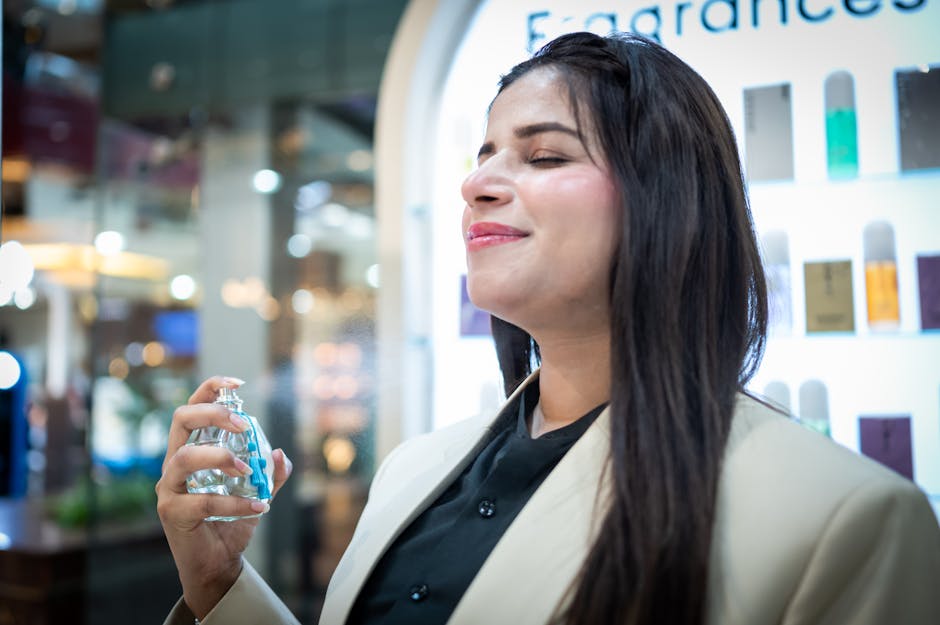
Perfume has a rich history that dates back thousands of years. The ancient Egyptians were among the first to create scented oils and incense, using them in religious rituals and for personal adornment. In fact, historical texts suggest that Cleopatra used fragrances to captivate her lovers and enhance her allure.
As trade routes expanded, the art of perfume-making spread to other civilizations, including the Greeks and Romans, who further refined the craft. By the Middle Ages, perfume had become an essential part of European culture, with many nobles commissioning unique scents to reflect their status and taste.
Fast forward to the modern era, and the fragrance industry has exploded, with thousands of brands and countless scents available worldwide. Today, we see an increasing emphasis on sustainability and natural ingredients, reflecting a growing awareness of environmental issues.
Types of Perfumes
Understanding the different types of perfumes can greatly enhance your fragrance experience. Perfumes are typically categorized by their concentration of fragrance oils, which affects their longevity and strength. The main categories include:
- Parfum: The most concentrated form, containing 20-30% fragrance oils. It offers the longest-lasting scent.
- Eau de Parfum: Slightly less concentrated than parfum, with 15-20% fragrance oils. It is popular for everyday wear.
- Eau de Toilette: Contains 5-15% fragrance oils, making it lighter and refreshing, ideal for warmer weather.
- Eau de Cologne: The lightest option, containing 2-5% fragrance oils. It’s often used as a splash or mist.
Exploring these categories can help you find the right fragrance for any occasion. For instance, a rich parfum is perfect for an evening out, while an eau de toilette might be more suitable for daytime wear.
The Role of Scent in Human Emotion
Scent has a profound impact on our emotions and memories. Research indicates that the olfactory system, which is responsible for our sense of smell, is closely linked to the brain’s limbic system, the area that processes emotions and memories. This is why certain scents can evoke strong feelings or transport us back to specific moments in time.
For example, the smell of fresh-cut grass may remind you of summer days spent outdoors, while the scent of vanilla might bring back memories of baking with a loved one. This connection between scent and memory can be harnessed in various ways, such as using certain fragrances to enhance mood or create a calming environment.
Additionally, the fragrance industry has recognized the potential of scent marketing. Brands often use specific scents in their stores to create a welcoming atmosphere and enhance the shopping experience. This strategic use of fragrance can influence customer behavior and even increase sales.
Choosing the Right Perfume
Finding the perfect perfume can be a daunting task given the vast array of options available. To make the process easier, consider the following tips:
1. **Know Your Preferences**: Identify the types of scents you are drawn to, such as floral, woody, or oriental. This will help narrow down your choices.
2. **Test Before You Buy**: Always try a fragrance on your skin before purchasing. Scents can interact with your body chemistry, which may alter how they smell.
3. **Consider the Season**: Some fragrances are better suited for specific seasons. For example, lighter scents are often preferred in the summer, while richer fragrances are ideal for winter.
4. **Invest in Quality**: While it may be tempting to choose a cheaper option, investing in high-quality perfumes can provide a more satisfying experience. Brands like Maison Francis Kurkdjian (MFK) are known for their exquisite craftsmanship and lasting power.
Conclusion
The world of perfume is a captivating blend of history, science, and artistry. Understanding its evolution, the various types available, and the emotional connections we have to scent can enhance our appreciation of this luxurious indulgence. Whether you are a seasoned fragrance enthusiast or a newcomer to the world of scents, there is always something new to discover. So take your time, explore different options, and find a fragrance that resonates with you.




More Stories
Transform Your Images with Professional Photo Editing Services
Transform Your Images with Professional Photo Editing Services
Unlocking the Power of Professional Photo Editing Services