





In the digital age, music videos have become a crucial part of an artist’s branding and marketing strategy. Not only do they provide a visual representation of a song, but they also engage audiences in ways that traditional audio cannot. This article delves into the essential elements of music video production, exploring the intricate process from conception to final cut.
Understanding the Concept
Every successful music video begins with a strong concept. The idea should align with the song’s lyrics, mood, and overall message. For instance, a high-energy pop song may call for vibrant colors and dynamic choreography, while a somber ballad might benefit from a more subdued, narrative-driven approach.
In this phase, collaboration is key. Artists often work closely with directors and producers to brainstorm and refine ideas. A well-defined concept not only guides the production process but also ensures that the final product resonates with the target audience. According to a study by Nielsen, music videos can increase song sales by up to 200%, highlighting the importance of a compelling visual narrative.
Pre-Production Planning
Once a concept is established, the next step is pre-production. This stage involves meticulous planning, including scriptwriting, storyboarding, and location scouting. A storyboard acts as a visual guide, outlining each shot and scene, which is crucial for maintaining a cohesive narrative.
Location scouting is equally important, as the setting can significantly influence the video’s aesthetics. Whether shooting in a studio or on location, every detail must be carefully considered. Budgeting is also a critical aspect of pre-production, as it determines the scope and scale of the project. An effective budget not only covers filming costs but also allocates funds for post-production, marketing, and distribution.
Shooting the Music Video
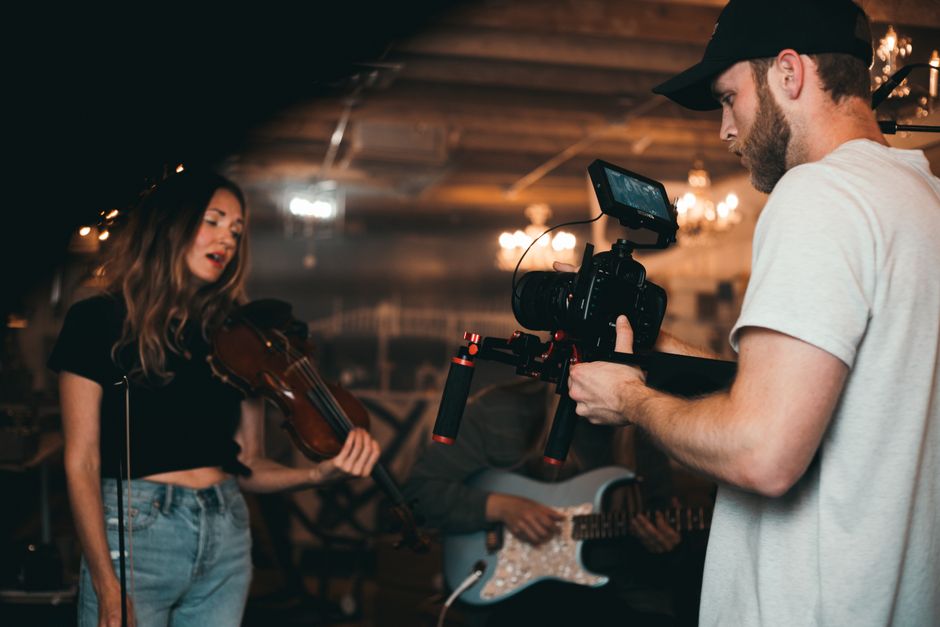
The actual shooting of the music video is where the vision comes to life. This phase requires a skilled crew, including directors, cinematographers, lighting technicians, and production assistants. Each role is vital in executing the concept effectively.
During filming, it’s essential to maintain a collaborative atmosphere. The artist’s performance should be at the forefront, and capturing their energy and emotion is crucial. Directors often employ various camera techniques, such as close-ups and wide shots, to enhance the storytelling. The use of lighting and color grading also plays a significant role in setting the video’s mood.
Post-Production Magic
After shooting wraps, the footage enters post-production, where the real magic happens. This phase includes editing, color correction, sound design, and visual effects. Editors work meticulously to piece together the footage, ensuring that the story flows seamlessly.
Color correction is essential for achieving the desired aesthetic. Different color palettes can evoke specific emotions, enhancing the viewer’s experience. Sound design, including the addition of effects and ambient sounds, also enriches the overall impact of the video.
Distribution and Marketing
Once the music video is complete, the next step is distribution and marketing. Platforms such as YouTube, Vimeo, and social media are pivotal for reaching a broader audience. Artists often create teasers and promotional content to generate buzz before the official release.
Moreover, engaging with fans through social media can significantly increase a video’s reach. Artists can encourage fans to share the video, thereby amplifying its visibility. According to a report by Statista, music videos on YouTube generate billions of views, underscoring the importance of a strategic marketing plan.
Conclusion
In conclusion, music video production is a multifaceted process that combines artistic vision with technical expertise. From concept development to post-production, each stage plays a crucial role in creating a compelling visual narrative. As the landscape of music consumption continues to evolve, the importance of well-produced music videos will only grow. Artists and producers must stay ahead of the curve, leveraging innovative techniques and platforms to captivate audiences worldwide.




More Stories
Mastering YouTube Channel Management: Tips for Success
Unlocking the Potential of Podcast Production Services
Exploring the World Through Aerial Drone Photography