





In today’s fast-paced business environment, fraudulent invoices pose a significant threat to organizations of all sizes. Whether it is a small business or a large corporation, the financial impact of invoice fraud can be devastating. Understanding how to effectively detect fraud invoices is crucial for protecting your company’s finances and maintaining a trustworthy relationship with your clients and vendors.
Understanding Invoice Fraud
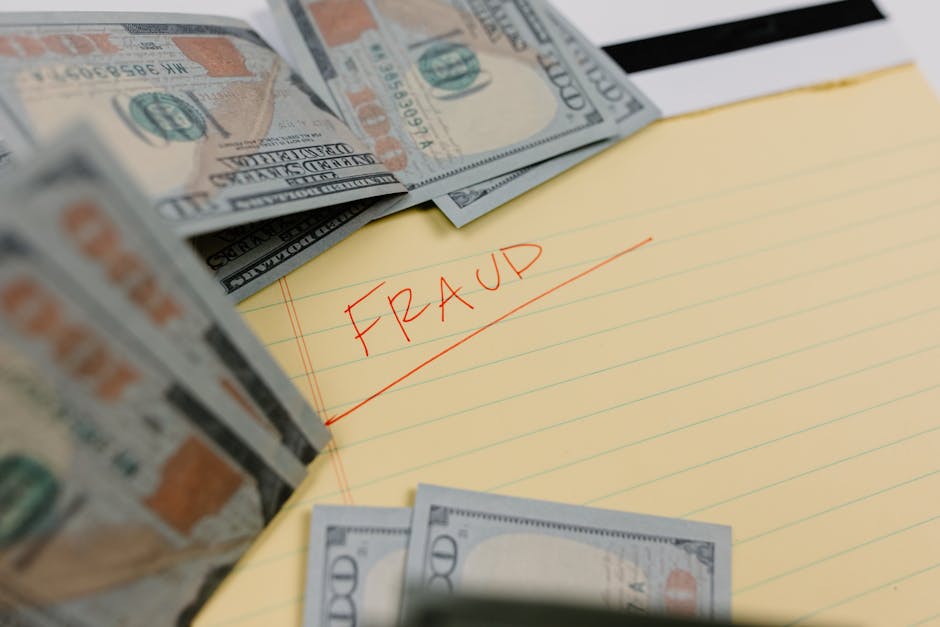
Invoice fraud occurs when a company receives a bill that is not legitimate, typically from a scammer posing as a legitimate vendor. Fraudsters often create convincing invoices that look similar to those from genuine suppliers. This type of fraud can take many forms, including phishing scams, fake invoicing, and even internal fraud where employees manipulate records to embezzle funds.
The rise of digital transactions has made it easier for fraudsters to execute these schemes. According to a report by the Association of Certified Fraud Examiners, businesses lose approximately 5% of their annual revenues to fraud, with invoice fraud being one of the most common types. This alarming statistic highlights the need for proactive measures to detect and prevent fraudulent invoices.
Signs of Fraudulent Invoices
To effectively protect your business, it is essential to be aware of the common signs of fraudulent invoices. Some red flags to watch for include:
- Unusual or inconsistent vendor names that do not match previous transactions.
- Invoices that lack detailed descriptions of goods or services provided.
- Requests for payment to different bank accounts than those previously used.
- Urgent payment requests that pressure you to act quickly without verifying the invoice.
- Invoices that contain spelling or grammatical errors, which are often a sign of hastily thrown together documents.
By training your staff to recognize these signs, you can reduce the likelihood of falling victim to invoice fraud.
Implementing Verification Processes
Establishing a robust verification process is one of the most effective ways to detect and prevent fraudulent invoices. This process should include multiple steps to ensure that every invoice is legitimate before processing payments. Key components of a verification process may include:
- Cross-referencing invoices with purchase orders and delivery receipts.
- Contacting vendors directly using previously established contact information to confirm the invoice’s legitimacy.
- Using automated software tools to flag suspicious invoices for further review.
For example, integrating software solutions that can detect fraud invoice patterns can help streamline the verification process and reduce human error.
The Role of Employee Training
Employee training plays a crucial role in detecting and preventing invoice fraud. Regular training sessions can equip employees with the knowledge and skills needed to identify potential fraud risks effectively. You should cover topics such as:
- Recognizing common fraud tactics used by scammers.
- Understanding the importance of following verification procedures.
- Encouraging employees to report suspicious activities without fear of retribution.
By fostering a culture of vigilance and accountability, you can significantly enhance your organization’s ability to detect fraudulent invoices.
Leveraging Technology for Fraud Detection
In today’s digital age, technology offers numerous solutions for detecting fraudulent invoices. From AI-driven analytics tools to machine learning algorithms, businesses can leverage these technologies to enhance their fraud detection efforts. Automated systems can scan invoices for inconsistencies, flagging them for further investigation.
Additionally, implementing a secure document management system can help ensure that all invoices are stored and processed in a way that minimizes the risk of fraud. Such systems often include audit trails that provide a record of who accessed invoices and when, which can be invaluable during investigations.
Conclusion
Detecting fraudulent invoices requires a multifaceted approach that includes awareness, verification processes, employee training, and leveraging technology. By implementing these strategies, businesses can significantly reduce their risk of falling victim to invoice fraud. In a landscape where fraud is constantly evolving, staying one step ahead is essential for protecting your business’s financial health.




More Stories
Navigating the World of Children Toy Manufacturing
The Rising Trends in Children’s Toy Manufacturing
The Evolution and Impact of Children Toy Manufacturers