





Septic tanks play a crucial role in the waste management system of many homes, especially in rural areas where sewer systems are not available. However, like any other system, they require regular maintenance to function efficiently. Understanding the importance of septic tank cleaning can save homeowners from costly repairs and potential health hazards. This article will explore the ins and outs of septic tank cleaning, including its necessity, the cleaning process, and tips for maintaining a healthy septic system.
Why Regular Septic Tank Cleaning is Essential
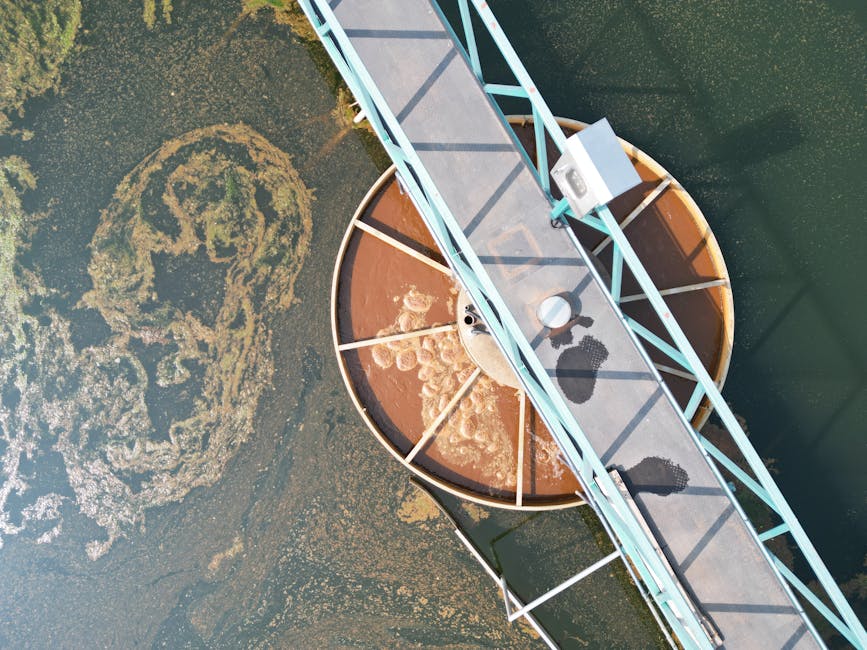
Regular septic tank cleaning is vital for several reasons. First, it helps prevent system failures that can lead to sewage backups in your home or yard. According to the Environmental Protection Agency (EPA), a well-maintained septic system can last for decades. However, neglecting maintenance can shorten its lifespan significantly.
Additionally, regular cleaning minimizes the risk of groundwater contamination, which can pose serious health risks. The contaminants can seep into drinking water supplies, leading to various health issues for you and your family. By keeping your septic tank clean, you help protect both your household and the environment.
Furthermore, maintaining a clean septic system can improve the overall functionality of your plumbing. When the tank is clean, there is less buildup of sludge, which can reduce odors and improve drainage performance.
The Septic Tank Cleaning Process
The cleaning process typically involves pumping out the sludge that accumulates in the tank over time. This sludge is made up of solid waste materials that cannot be broken down by the bacteria present in the tank. A professional septic service will use a vacuum truck to remove the sludge, which is then transported to a treatment facility.
Before the cleaning process begins, it is essential to locate the septic tank access points. In most cases, these are found in your yard, marked by green or white flags. If you are unsure of the location, your septic service provider can help you identify it.
Once the tank is pumped, the technician will inspect it for any signs of damage or wear. This includes checking the inlet and outlet pipes for blockages and examining the baffles that help separate solids from liquids. If any issues are found, they can be addressed immediately to prevent further complications.
Frequency of Septic Tank Cleaning
How often you need to clean your septic tank depends on several factors, including the size of your tank and the number of people living in your household. On average, most septic tanks should be pumped every three to five years. However, larger tanks or those used by larger families may require more frequent cleaning.
To determine the right frequency for your home, consider keeping a maintenance log that records when the tank was last cleaned and any other maintenance performed. This log will help you keep track of your septic maintenance and ensure that you stay on schedule.
Additionally, pay attention to signs that your septic system may need immediate attention. These signs include slow drains, gurgling sounds in the plumbing, or unpleasant odors around the tank area. If you notice any of these symptoms, it’s crucial to call a professional immediately.
Tips for Maintaining a Healthy Septic System
In addition to regular cleaning, there are several practices homeowners can adopt to maintain a healthy septic system. One of the most important is to be mindful of what goes down the drain. Avoid flushing non-biodegradable items like wipes, feminine hygiene products, and cooking grease, as these can clog your septic system.
Another tip is to use water efficiently. Excessive water usage can overwhelm the septic system, leading to backups and inefficiencies. Consider installing water-saving fixtures and spreading out laundry loads throughout the week to minimize water flow into the system.
Lastly, consider scheduling regular inspections of your septic system in addition to cleaning. A licensed septic professional can identify potential issues before they become major problems. Regular inspections can also keep your system working efficiently, extending its lifespan and saving you money in the long run.
Conclusion
Septic tank cleaning is an essential part of home maintenance that should not be overlooked. By understanding its importance and adhering to a regular cleaning schedule, you can ensure your septic system functions optimally and prevent costly repairs. Additionally, adopting good septic maintenance practices can contribute to a healthier home and environment. Remember, when in doubt, consult a professional for guidance on maintaining your septic system, including septic maintenance, to ensure it remains a reliable part of your home.




More Stories
Discover the Future of Virtual Tours: A New Era in Photography
Transforming Workspaces: The Role of Office Fit Out Companies
Creating Inspiring Spaces: The Role of an Interior Design Firm