





In an age of increasing concern for personal safety and property protection, home security systems have become a vital consideration for homeowners. The implementation of these systems not only provides peace of mind but also acts as a deterrent against potential intruders. With various options available on the market, understanding the key components of an effective home security system is crucial for making an informed decision.
Understanding Home Security Systems
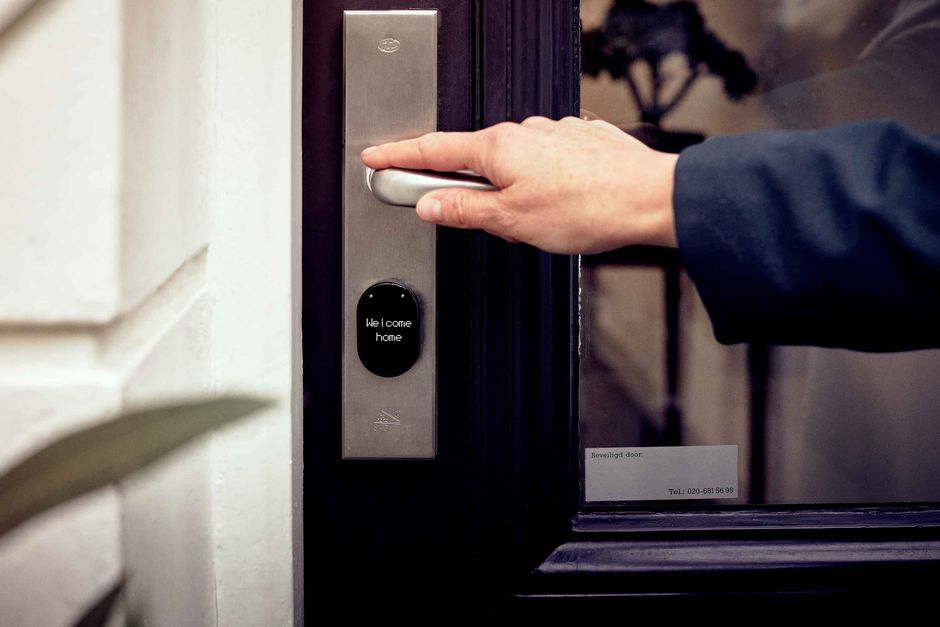
A home security system is designed to protect residential properties from burglaries, vandalism, and other threats. Typically, these systems consist of a combination of hardware and software components, including alarms, cameras, and sensors. The primary objective is to detect unauthorized access and alert homeowners or authorities.
Modern home security systems have evolved significantly, integrating technology such as smart home capabilities. This means that homeowners can monitor their properties remotely through smartphones or computers, providing an added layer of convenience and control.
Moreover, these systems can vary in complexity and price, offering a range of solutions from basic DIY kits to comprehensive professional installations. For those considering upgrading their home security, it is essential to analyze specific needs, budget constraints, and desired features.
Key Components of Home Security Systems
When choosing a home security system, several critical components should be considered. Firstly, alarm systems are the backbone of home security. They detect unauthorized entry and sound an alarm to deter intruders. Most modern alarm systems can also be linked to local police or monitoring services, ensuring a rapid response in case of an emergency.
Secondly, surveillance cameras play a significant role in monitoring activity around the home. These cameras can be placed indoors and outdoors, providing real-time video feeds that enhance security. Many of these devices now come equipped with motion detection, night vision, and cloud storage capabilities.
Another important aspect is the use of door and window sensors. These devices alert homeowners when doors or windows are opened unexpectedly, allowing for immediate action. When combined with smart locks, homeowners can control access to their properties remotely.
Benefits of Home Security Systems
Investing in a home security system offers numerous benefits that extend beyond mere property protection. One of the most significant advantages is the peace of mind it provides. Knowing that your home is monitored and secured can alleviate anxiety about potential threats.
Additionally, many insurance companies offer discounts on homeowners’ insurance premiums for properties equipped with security systems. This can result in significant savings over time, making the initial investment more cost-effective.
Moreover, home security systems can enhance the overall safety of your neighborhood. When multiple homes in an area are equipped with security measures, it can create a deterrent effect against crime, leading to safer communities.
Choosing the Right Home Security System
With a plethora of options available, selecting the right home security system can be daunting. Start by assessing your specific security needs. Consider factors such as the size of your home, the number of entry points, and any previous security incidents.
Next, research various companies and compare their offerings. Look for systems that provide comprehensive coverage, ease of use, and reliable customer support. Reading customer reviews and testimonials can provide valuable insights into the effectiveness of different systems.
Finally, don’t overlook the importance of installation. Some systems require professional installation, while others can be set up by the homeowner. Ensure that you choose a system that matches your comfort level with technology and installation processes.
Future Trends in Home Security Systems
The future of home security systems is likely to be shaped by advancements in technology. Innovations such as artificial intelligence and machine learning are expected to enhance security features, making systems more efficient and effective.
Furthermore, the increasing integration of IoT (Internet of Things) technology allows for greater connectivity among devices. This means that various home appliances and security devices will communicate with each other, creating a more cohesive security network.
As the demand for home automation continues to grow, expect to see more systems that not only secure homes but also provide additional functionalities, such as energy management and smart home integration. In this evolving landscape, homeowners will have access to increasingly sophisticated solutions for their security needs.
When considering a home security solution, it’s worth exploring expert reviews and comparisons. For instance, check out the top-rated options available in the market today by visiting home security system resources.
Conclusion
In conclusion, a home security system is an essential investment for protecting your property and ensuring your peace of mind. By understanding the components, benefits, and future trends in home security, homeowners can make informed decisions that best suit their needs. As technology continues to advance, it is crucial to stay updated with the latest innovations and adapt your security measures accordingly. Your home is your sanctuary; protect it wisely.




More Stories
Discover the Future of Virtual Tours: A New Era in Photography
Transforming Workspaces: The Role of Office Fit Out Companies
Creating Inspiring Spaces: The Role of an Interior Design Firm