





Bedbugs, those pesky little pests that invade our homes, can be a nightmare for homeowners and renters alike. These small, wingless insects feed on human blood, often leaving itchy bites and causing significant discomfort. As they are notoriously difficult to eradicate, understanding effective bedbug extermination methods is crucial for anyone facing an infestation. In this article, we will explore various strategies, tips, and tricks for dealing with these unwelcome guests.
Understanding Bedbugs
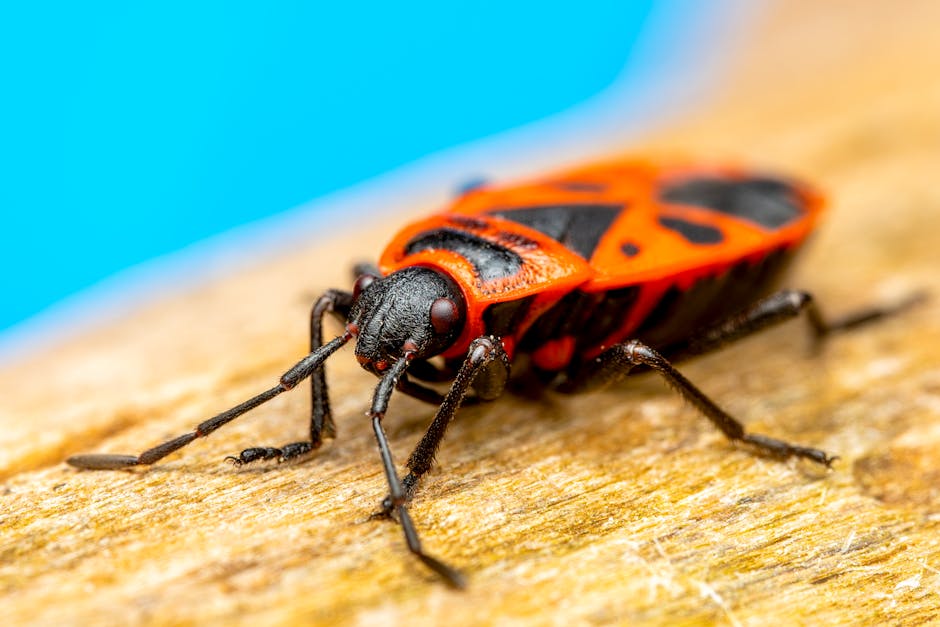
Before diving into extermination methods, it’s essential to understand what bedbugs are and how they behave. Bedbugs belong to the Cimex lectularius species and are primarily nocturnal. They hide in cracks and crevices during the day, emerging at night to feed. Adult bedbugs are about the size of an apple seed and can live for several months without a meal, making them quite resilient.
Bedbugs are known for their rapid population growth. A single female can lay hundreds of eggs in her lifetime, leading to large infestations if not addressed quickly. Knowing the signs of bedbug presence—such as small blood spots on sheets, shed skins, and a sweet, musty odor—can help in identifying an issue early.
DIY Extermination Techniques
Many homeowners prefer to attempt bedbug extermination on their own before calling in professionals. There are several effective DIY methods available. One of the simplest approaches is to wash all bedding, clothing, and linens in hot water and dry them on high heat. This process effectively kills bedbugs and their eggs.
Another method involves vacuuming all areas where bedbugs may hide. This includes not just the bed but also nearby furniture, carpets, and baseboards. After vacuuming, it’s crucial to dispose of the vacuum bag or clean the vacuum canister immediately to prevent reinfestation.
Sealing cracks and crevices in walls, floors, and furniture can also deter bedbugs from finding hiding spots. Using caulk to seal these areas can be a proactive step in managing an infestation.
For those looking for chemical solutions, there are many over-the-counter insecticides specifically designed for bedbug treatment. However, it’s essential to follow the instructions carefully, as improper use can lead to health risks and ineffective results.
Professional Extermination Services
While DIY methods can be effective, severe infestations often require the expertise of professional exterminators. These professionals have access to more potent insecticides and advanced techniques that aren’t available to the general public. They can also provide a thorough inspection to identify the extent of the infestation and recommend the best course of action.
One popular method used by professionals is heat treatment. This involves raising the temperature of the infested area to a level that is lethal to bedbugs. Typically, temperatures need to reach at least 120°F (49°C) for a sustained period to ensure all life stages of bedbugs are eliminated.
Fumigation is another option that may be employed, particularly in severe cases. This method involves sealing the entire structure and using gas to exterminate the pests. While effective, it often requires residents to vacate their homes for a period, making it less desirable for many.
Before selecting a pest control service, it’s wise to do thorough research and read reviews. Ensuring that the company is licensed and experienced in bedbug extermination is key to achieving positive results.
Preventing Future Infestations
After successfully exterminating bedbugs, the next step is prevention. Implementing a few simple strategies can significantly reduce the chances of a future infestation. Regularly inspecting your home for signs of bedbugs, especially after traveling or bringing in second-hand furniture, can help catch any issues early.
Using protective mattress and pillow encasements can also be beneficial. These encasements trap any existing bedbugs and prevent new ones from entering. Additionally, maintaining a clutter-free home makes it easier to spot any signs of bedbugs and to clean areas thoroughly.
Educating yourself and others in your household about bedbug behavior and signs of infestation can also play a crucial role in prevention. The more aware everyone is, the quicker they can act if a problem arises.
Conclusion
Bedbug extermination is a complex process that requires a combination of knowledge, strategy, and sometimes professional assistance. Understanding the behavior of bedbugs, utilizing effective extermination methods, and implementing preventative measures are essential to reclaiming your space. For those looking for effective solutions, considering bed bug treatment options can be a vital part of ensuring a bedbug-free home.




More Stories
The Essential Guide to Compounding Pharmacies
The Essential Guide to Compounding Pharmacy: Tailoring Medications to Individual Needs
The Essential Guide to Compounding Pharmacies