





In recent years, the world of entertainment has undergone a remarkable transformation, largely driven by the rise of animation studios. These creative powerhouses have not only redefined storytelling but have also expanded the boundaries of visual art. From traditional hand-drawn techniques to cutting-edge 3D animation, the evolution of these studios is a fascinating journey that reflects the advancements in technology and the changing tastes of audiences.
The History of Animation Studios
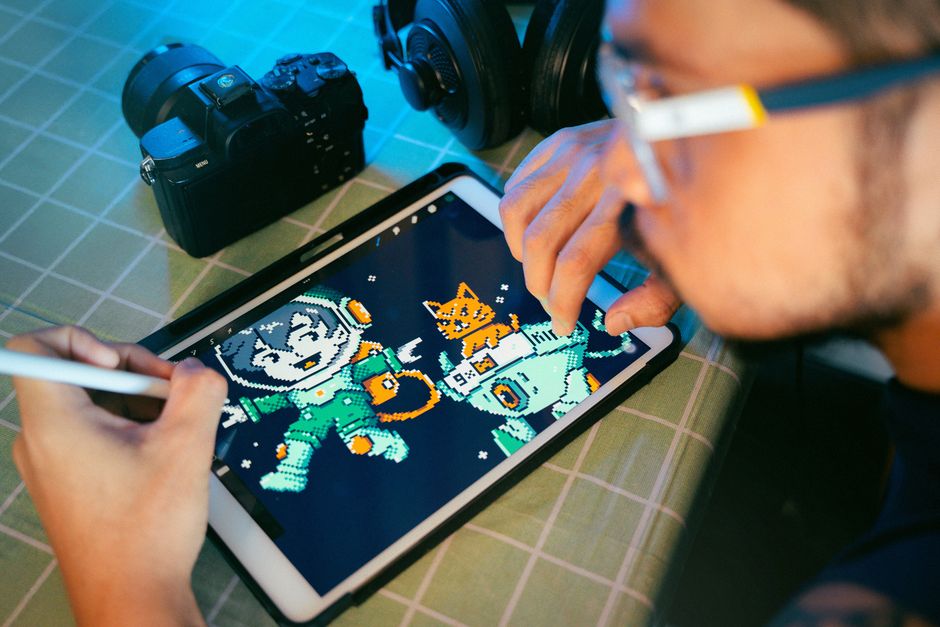
The concept of animation can be traced back to ancient civilizations, but it wasn’t until the early 20th century that dedicated animation studios began to emerge. One of the pioneers was Walt Disney Studios, founded in 1923, which set the standard for animated storytelling with classics like “Snow White and the Seven Dwarfs.” This early success paved the way for numerous other studios, such as Warner Bros. and Hanna-Barbera, which contributed to the golden age of animation.
During the 1980s and 1990s, the animation landscape expanded significantly with the advent of computer-generated imagery (CGI). Pixar Animation Studios, established in 1986, revolutionized the industry with its groundbreaking film “Toy Story” in 1995. This marked the beginning of a new era where animation studios began to leverage technology to create more immersive and visually stunning experiences.
Today, the animation industry is a multi-billion dollar business, with studios around the globe producing content for various platforms, including film, television, and online streaming services. The rise of independent animation studios has also contributed to a diverse range of styles and narratives, enriching the overall landscape.
The Role of Technology in Animation Studios
Technology has played a crucial role in the evolution of animation studios. The transition from traditional hand-drawn animation to digital tools has allowed artists to experiment with different techniques and styles. Software such as Adobe After Effects and Autodesk Maya has become essential in the production process, enabling animators to bring their visions to life more efficiently.
Moreover, advancements in virtual reality (VR) and augmented reality (AR) are pushing the boundaries of what is possible in animation. Studios are now exploring ways to create immersive experiences where viewers can interact with animated characters and environments. This shift not only enhances storytelling but also opens up new avenues for engagement with audiences.
The integration of artificial intelligence (AI) in animation production is another exciting development. AI can assist in tasks such as character rigging and motion capture, allowing animators to focus on the creative aspects of their work. As technology continues to evolve, the potential for innovation in animation studios is limitless.
The Impact of Animation Studios on Popular Culture
Animation studios have a profound impact on popular culture, influencing everything from fashion trends to advertising strategies. Iconic characters like Mickey Mouse and SpongeBob SquarePants have become cultural symbols, transcending generations and geographical boundaries. The storytelling techniques employed by these studios often resonate deeply with audiences, making them relatable and memorable.
Furthermore, animation studios have been instrumental in addressing social issues through their narratives. Films like “Zootopia” and “Inside Out” tackle complex topics such as prejudice and mental health, presenting them in a way that is accessible to younger audiences. This ability to convey important messages while entertaining is a testament to the power of animation.
The global reach of animation has also contributed to the rise of international collaborations. Co-productions between studios from different countries lead to the creation of diverse content that reflects various cultural perspectives. This not only enriches the storytelling but also fosters a sense of unity among audiences worldwide.
The Future of Animation Studios
As we look to the future, the potential for growth and innovation within animation studios remains vast. With the continued rise of streaming platforms, there is an insatiable demand for animated content. Studios are now exploring ways to create original series and films tailored to specific audiences, further expanding their reach.
Moreover, the increasing emphasis on diversity and representation in storytelling is shaping the projects that animation studios undertake. Audiences are seeking content that reflects their experiences and backgrounds, and studios are responding by developing characters and narratives that resonate with a broader demographic.
In conclusion, animation studios are at the forefront of a dynamic industry that continues to evolve. Their ability to blend creativity with technology has paved the way for new storytelling possibilities, making them a vital part of modern media. As these studios continue to innovate, the future of animation looks bright, promising even more engaging and impactful content for audiences around the world. For those interested in learning more about the industry, resources such as animation studio directories and guilds offer valuable insights.




More Stories
고기집 창업, 성공을 위한 필수 가이드
고기집 창업, 성공을 위한 필수 가이드
고기집 창업, 성공을 위한 필수 가이드