





Aerial drone photography has revolutionized the way we capture and experience the world around us. With the advent of advanced drone technology, photographers can now explore landscapes from breathtaking heights. This innovative medium offers not only a unique perspective but also a new way to tell stories through images. In this article, we will delve into the various aspects of aerial drone photography, from its technical requirements to its creative potential.
Understanding Aerial Drone Photography
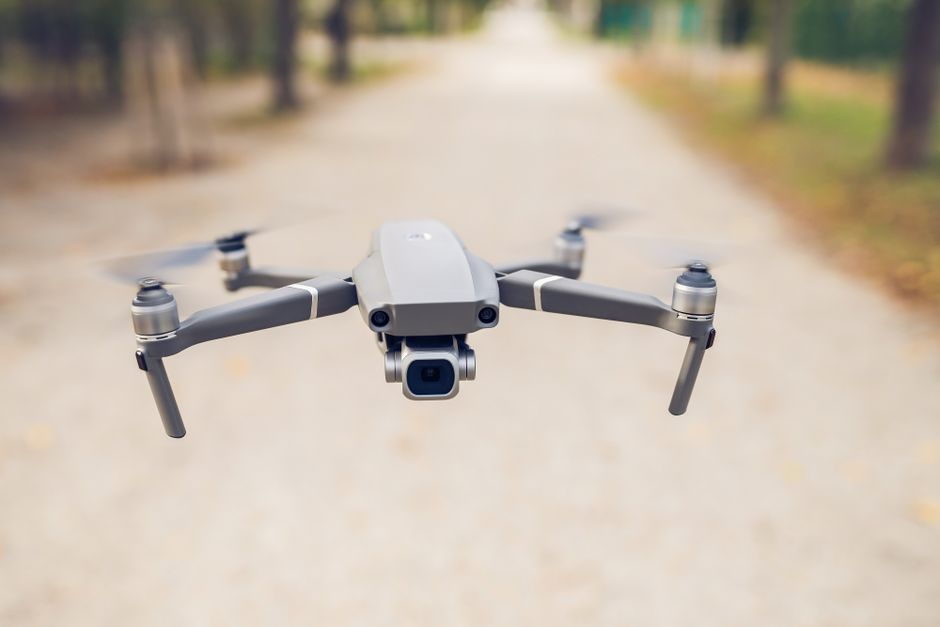
Aerial drone photography refers to the use of unmanned aerial vehicles (UAVs) to capture images and videos from the sky. Unlike traditional photography, which often requires expensive equipment and significant planning, drones provide a more accessible and flexible option. Drones are equipped with high-resolution cameras that can capture stunning images from altitude, providing a bird’s-eye view of landscapes, events, and properties.
The technology behind drones has advanced rapidly in recent years. Modern drones are equipped with features such as GPS, stabilization systems, and automated flight paths, making it easier for photographers to achieve high-quality shots. For instance, many drones now come with obstacle avoidance technology, allowing them to fly safely in complex environments.
Moreover, the rise of aerial drone photography has led to an increase in its popularity across various industries, including real estate, tourism, and even agriculture. The ability to capture expansive views and intricate details has made drones an invaluable tool for professionals in these fields.
Getting Started with Drone Photography
For those interested in diving into aerial drone photography, there are a few essential steps to consider. First and foremost, selecting the right drone is crucial. While there are numerous models available, it’s important to choose one that fits your specific needs and budget. Entry-level drones often come with built-in cameras and basic features, making them ideal for beginners.
Before flying, it’s also important to familiarize yourself with local regulations regarding drone use. Many countries have specific laws governing where and how drones can be flown, particularly in populated areas. Adhering to these regulations not only ensures safety but also helps in avoiding fines or legal issues.
Practicing your flying skills is another critical aspect of getting started. Taking the time to learn how to maneuver your drone effectively will not only enhance the quality of your photos but also boost your confidence as a drone pilot. Consider starting in open areas where you can safely practice without obstacles.
Techniques for Stunning Aerial Shots
Once you’ve grasped the basics of flying a drone, it’s time to focus on capturing stunning images. One effective technique is to play with angles and perspectives. Aerial photography allows for unique compositions that can dramatically change the way a subject is perceived. For example, shooting from a low altitude can create a sense of intimacy, whereas a higher altitude can emphasize the vastness of a landscape.
Lighting is another essential factor in photography. Golden hour—shortly after sunrise or before sunset—provides soft, diffused light that can enhance the beauty of your images. Additionally, experimenting with different weather conditions can lead to dramatic and eye-catching photographs. Cloudy or stormy skies can add mood and depth to your images.
Post-processing is also a vital part of aerial drone photography. Utilizing software like Adobe Lightroom or Photoshop can help enhance your images, allowing you to adjust exposure, contrast, and colors to achieve your desired effect. With the right editing techniques, even the most mundane landscapes can be transformed into breathtaking visuals.
Applications of Aerial Drone Photography
Aerial drone photography has a wide range of applications across various sectors. In real estate, for instance, drone photography can provide potential buyers with a comprehensive view of properties, showcasing not only the house but also the surrounding area. This immersive experience can significantly enhance a buyer’s interest.
In the tourism industry, aerial shots can highlight natural wonders and attractions, drawing visitors to locations they might not have considered otherwise. Stunning aerial imagery can serve as powerful marketing tools for travel agencies and tourism boards.
Furthermore, aerial photography is increasingly being used in agriculture. Farmers are utilizing drones to monitor crop health, assess land conditions, and optimize irrigation practices. By capturing high-resolution images of their fields, farmers can make informed decisions to enhance productivity and sustainability.
The Future of Aerial Drone Photography
The future of aerial drone photography looks promising as technology continues to advance. Innovations in drone capabilities, such as improved battery life and enhanced camera quality, will likely lead to even more creative possibilities. Additionally, as regulations around drone usage become more established, we can expect to see a broader acceptance and integration of drones in various industries.
Furthermore, the rise of social media platforms has created an appetite for visually stunning content, positioning aerial drone photography as an increasingly valuable tool for both amateurs and professionals. As more individuals gain access to drones and develop their skills, the diversity of perspectives and creativity in aerial photography will continue to flourish.
In conclusion, aerial drone photography offers an exciting and dynamic way to explore the world from above. By understanding the technology, honing your skills, and embracing creative techniques, you can capture breathtaking images that tell compelling stories. For those interested in pursuing this art form, the possibilities are truly limitless. For more insights and resources, check out aerial drone photography.




More Stories
Mastering YouTube Channel Management: Tips for Success
Unlocking the Potential of Podcast Production Services
The Art and Science of Music Video Production