





In the highly competitive world of the restaurant industry, the ambiance and interior design of a venue play a crucial role in attracting customers and enhancing their dining experience. Restaurant interior design goes beyond mere aesthetics; it encompasses the functionality, comfort, and emotional connection that a space creates for its patrons. In this article, we will explore the various elements that contribute to effective restaurant interior design, illustrating how thoughtful planning can lead to a memorable dining environment.
The Importance of Restaurant Interior Design
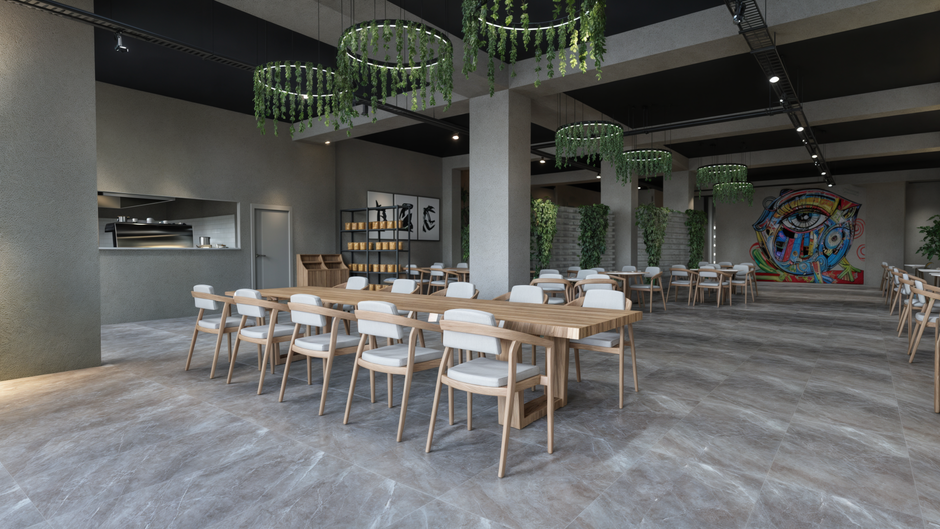
Restaurant interior design is not just about choosing the right color palette or furniture; it is about creating an experience that resonates with customers. According to a study by the Journal of Consumer Research, consumers are more likely to return to a restaurant that provides a unique and inviting atmosphere. Thus, investing in quality interior design can significantly impact a restaurant’s bottom line.
Moreover, the interior design of a restaurant can influence customer behavior. For instance, studies show that well-designed spaces encourage longer visits and increased spending. By incorporating comfortable seating, ambient lighting, and engaging decor, restaurants can enhance customer satisfaction and boost sales.
Key Elements of Effective Restaurant Interior Design
When considering restaurant interior design, several key elements come into play. First and foremost is the layout of the space. An open floor plan can promote a social atmosphere, while more intimate seating arrangements can encourage private conversations. The flow of the restaurant should allow for smooth movement of both customers and staff, minimizing congestion and enhancing service efficiency.
Another crucial factor is lighting. The right lighting can set the mood and create a welcoming environment. Restaurants often use a combination of natural light, task lighting, and accent lighting to achieve the desired effect. For example, a dimly lit space with warm tones can evoke a cozy and romantic ambiance, while brighter lighting can create a lively and energetic atmosphere.
Color schemes also play a vital role in restaurant design. Different colors evoke different emotions, and careful selection can influence diners’ perceptions and experiences. For instance, warm colors like red and orange can stimulate appetite, while cool colors like blue and green can create a calming effect. Understanding color psychology is essential for designing a space that aligns with the restaurant’s theme and brand identity.
Incorporating Branding into Interior Design
Branding is another essential aspect of restaurant interior design. The design should reflect the restaurant’s identity and values, creating a cohesive experience for customers. For instance, a farm-to-table restaurant might incorporate natural materials, greenery, and rustic elements to emphasize its commitment to sustainability.
Moreover, unique design elements can serve as a marketing tool. Instagrammable spots within the restaurant can encourage customers to share their experiences on social media, thereby increasing the venue’s visibility. Designers often create signature features, such as a mural or a unique light fixture, that can become synonymous with the restaurant’s brand.
A successful example of this can be seen in the popular chain, The Cheesecake Factory, which utilizes a lavish, eclectic design to create a sense of indulgence and luxury, aligning perfectly with its extensive dessert offerings. This careful alignment of design and branding can elevate customer loyalty and repeat visits.
Trends in Restaurant Interior Design
The restaurant industry is constantly evolving, and so are the trends in interior design. One of the most notable trends is the incorporation of sustainable and eco-friendly materials. As consumers become more environmentally conscious, restaurants are responding by using reclaimed wood, recycled materials, and energy-efficient lighting.
Another trend is the use of technology in design. Many modern restaurants are integrating digital menus, interactive tables, and augmented reality experiences to enhance customer engagement. These innovations not only improve the dining experience but also streamline operations and reduce costs.
Furthermore, biophilic design, which incorporates natural elements into the built environment, is gaining popularity. This approach can include living walls, indoor gardens, and large windows that bring the outdoors inside. Studies have shown that such designs can improve customer satisfaction and well-being, making them a smart choice for restaurant owners.
Conclusion: The Future of Restaurant Interior Design
As the restaurant industry continues to adapt to changing consumer preferences, the importance of thoughtful interior design will only grow. A well-designed restaurant can set itself apart in a crowded market, creating an inviting atmosphere that encourages customers to return time and again. Whether it’s through innovative layouts, strategic branding, or the integration of sustainable practices, the future of restaurant interior design is about creating meaningful experiences.
For those looking to explore the nuances of restaurant interior design, understanding these key principles can make all the difference in crafting a space that not only attracts but also retains customers, ultimately leading to success in the competitive dining landscape.




More Stories
Navigating the World of Children Toy Manufacturing
The Rising Trends in Children’s Toy Manufacturing
The Evolution and Impact of Children Toy Manufacturers