





Cargo insurance is a crucial aspect of international trade and shipping, providing protection for goods in transit. As global commerce continues to expand, businesses must understand the importance of safeguarding their assets against potential risks. In this article, we will delve into the fundamentals of cargo insurance, the types available, and the factors to consider when choosing the right coverage for your needs.
The Basics of Cargo Insurance
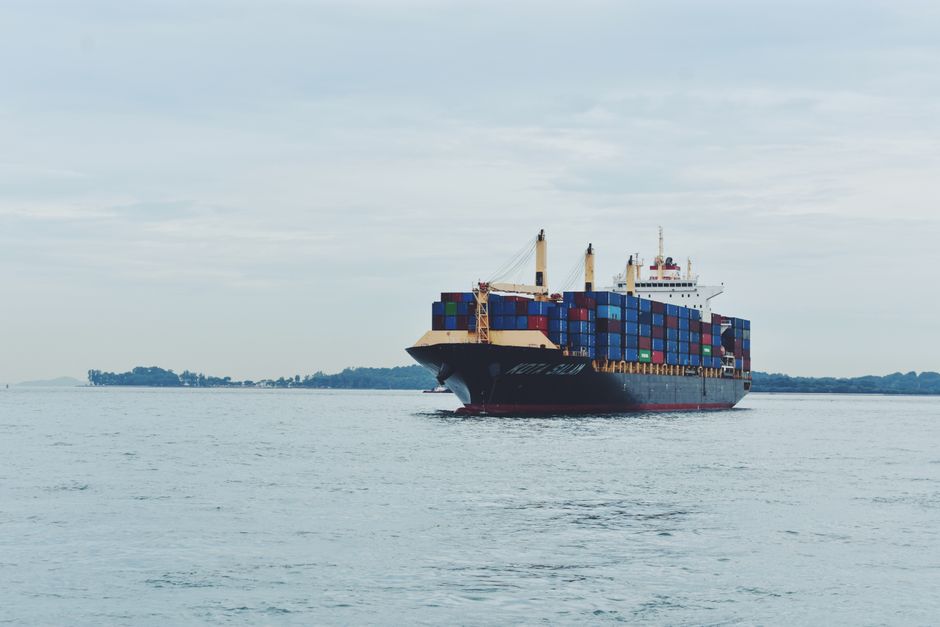
Cargo insurance is designed to protect the value of goods while they are being transported. This type of insurance covers losses or damages that may occur due to various risks, including theft, accidents, and natural disasters. For businesses involved in shipping goods internationally, securing cargo insurance is not just a safeguard but a necessity to mitigate financial losses.
Understanding the basic principles of cargo insurance is essential for any business owner. Policies generally cover specific types of risks, which can vary widely depending on the provider and the terms agreed upon. Additionally, the value of the insured cargo, the mode of transportation, and the destination can all influence the cost and coverage of the insurance.
Types of Cargo Insurance
There are several types of cargo insurance policies available, each tailored to different shipping needs. The most common types include:
- All-Risk Coverage: This type of policy covers a broad range of risks, providing comprehensive protection for most incidents that could occur during transit.
- Named Perils Coverage: This policy only covers specific risks that are explicitly stated in the policy. If a risk is not named, it is not covered, making this a less comprehensive option.
- General Average Coverage: This is a specialized form of insurance that protects against losses incurred when cargo is intentionally jettisoned to save the vessel and its remaining cargo during a maritime disaster.
Choosing the right type of coverage depends on factors such as the nature of the goods being transported, the shipping routes, and the overall value of the cargo.
Factors Influencing Cargo Insurance Costs
Several factors can affect the cost of cargo insurance, and understanding these can help businesses make informed decisions. Key elements include:
- Type of Goods: The nature of the goods being shipped plays a significant role. High-value items or fragile products may require additional coverage due to increased risk.
- Shipping Method: The mode of transportation—whether by land, air, or sea—can influence premiums. Each method carries its own set of risks.
- Destination: Shipping to certain countries or regions may incur higher insurance costs due to political instability or high theft rates.
By analyzing these factors, businesses can better assess their insurance needs and find a policy that provides adequate coverage without excessive costs.
Common Exclusions in Cargo Insurance
Understanding what is excluded from a cargo insurance policy is just as important as knowing what is covered. Common exclusions may include:
- Wear and Tear: Normal deterioration of goods during transport is typically not covered.
- Improper Packaging: If goods are not packaged correctly, any damage that occurs may not be covered by insurance.
- Acts of God: Certain natural disasters, such as earthquakes or floods, may be excluded unless specifically included in the policy.
It’s crucial for businesses to read their policies carefully and consult with insurance professionals to fully understand the terms and exclusions.
Importance of Cargo Insurance in Global Trade
As international shipping continues to grow, the importance of cargo insurance cannot be overstated. It not only protects businesses from losses but also enhances their credibility with clients and partners. Companies that take the necessary steps to insure their cargo demonstrate a commitment to risk management and customer service.
The global trade industry is inherently risky, and unforeseen events can lead to significant financial setbacks. By investing in cargo insurance, businesses can secure their investments and maintain smooth operations, even in the face of challenges.
Conclusion
In conclusion, cargo insurance is an essential component of international shipping, providing businesses with peace of mind and financial protection. By understanding the types of coverage available, the factors influencing costs, and the common exclusions, companies can make informed decisions to safeguard their assets. As the landscape of global commerce evolves, ensuring adequate cargo insurance will remain a crucial factor for success in the shipping industry.




More Stories
효율적인 물류 관리를 위한 소프트웨어 솔루션
La guía definitiva para elegir el catering perfecto para tu boda
La Evolución y el Impacto de los Centros de Fulfillment