




The restaurant industry is rapidly evolving, and the role of technology is becoming increasingly pivotal in shaping customer experiences and operational efficiency. One of the most significant advancements in this realm is the restaurant POS system. These systems do not merely handle transactions; they are comprehensive tools that can streamline various aspects of restaurant management, from inventory control to customer relationship management.
Understanding the Basics of Restaurant POS Systems
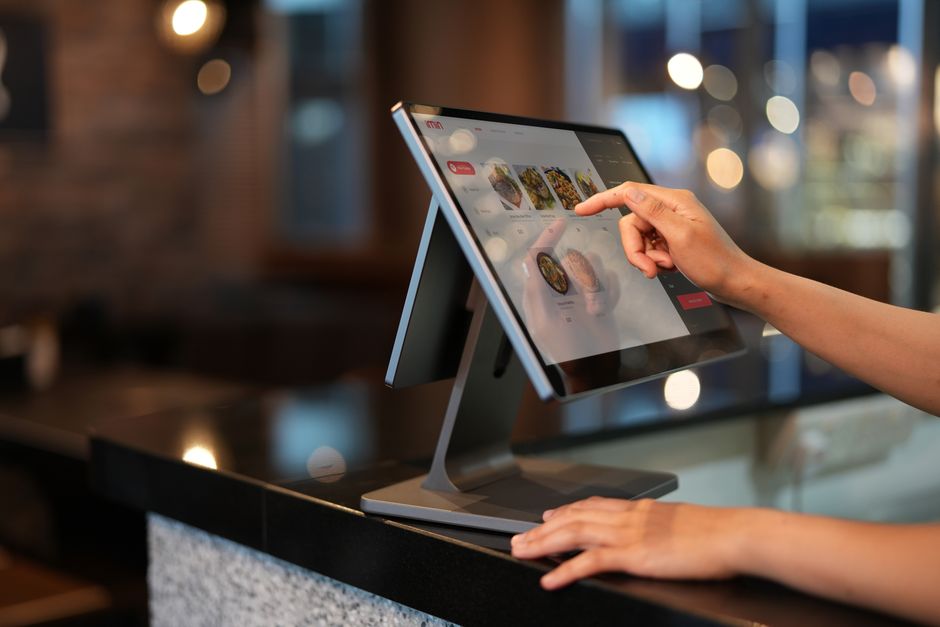
A restaurant POS system, or Point of Sale system, is a combination of hardware and software that facilitates the transaction process in restaurants. The hardware typically includes terminals, cash drawers, and receipt printers, while the software manages sales, inventory, and customer data. By integrating these elements, restaurants can simplify operations and improve service speed.
Modern POS systems are designed to provide real-time data analytics, allowing restaurant owners to make informed decisions. For instance, they can track which menu items are most popular, thus enabling better inventory management and menu planning. Additionally, these systems can help identify peak hours, allowing for optimized staffing and improved customer service.
Key Features of Contemporary POS Systems
When investing in a restaurant POS system, it is crucial to consider the features that will best meet your establishment’s needs. Some key features to look for include:
- Inventory Management: An efficient system should help track inventory levels, alerting you when stock is low and even suggesting reorders based on sales trends.
- Customer Relationship Management (CRM): Modern systems often integrate CRM tools that help you collect and analyze customer data, enabling personalized marketing and improved customer loyalty.
- Integrated Payments: This feature allows customers to pay using various methods, including credit cards, mobile payments, and even cryptocurrency, making transactions smoother and more convenient.
Moreover, many POS systems now offer cloud-based solutions, meaning that data can be accessed from anywhere, providing flexibility and security. For example, a restaurant owner can check sales reports or inventory levels while at home or on the go.
Benefits of Implementing a POS System
The benefits of adopting a restaurant POS system extend beyond simple transaction processing. One of the most significant advantages is the enhancement of operational efficiency. With streamlined processes, staff can serve customers faster, reducing wait times and increasing table turnover rates.
Additionally, these systems can lead to improved financial management. Accurate sales tracking helps in identifying trends and forecasting revenues, which are essential for budgeting and financial planning. According to industry reports, restaurants that utilize advanced POS systems can see up to a 20% increase in efficiency and profitability.
Challenges in Adopting a New POS System
While the advantages are clear, transitioning to a new POS system can come with its challenges. One common concern is the initial cost associated with purchasing and implementing the system. However, many providers offer flexible payment options or leasing agreements that can mitigate this burden.
Another challenge is the training required for staff to use the new system effectively. Ensuring that employees are comfortable with the technology is crucial for maximizing its benefits. Providing comprehensive training sessions and ongoing support can help ease this transition.
Future Trends in Restaurant POS Technology
The future of restaurant POS systems looks promising, with several emerging trends set to reshape the industry. For instance, artificial intelligence (AI) and machine learning are increasingly being integrated into these systems, allowing for predictive analytics that can further enhance operational efficiency.
Additionally, the rise of mobile and contactless payments is becoming a standard expectation among consumers, particularly in the wake of the COVID-19 pandemic. As a result, restaurants must adapt to these new payment modalities to meet customer preferences.
Furthermore, sustainability is becoming a significant focus in the restaurant industry. POS systems that help track and minimize waste or those that support eco-friendly practices will likely gain traction in the coming years.
Conclusion
In conclusion, a modern restaurant POS system is no longer just a cash register; it is a comprehensive tool that can transform the way restaurants operate. From enhancing customer experiences to improving operational efficiency and financial management, the benefits are substantial. As technology continues to evolve, embracing a robust POS system will be key for restaurants looking to thrive in an increasingly competitive landscape. For those interested in learning more about how a restaurant POS system can revolutionize their operations, exploring the various options available is the first step towards success.



More Stories
La importancia de elegir la empresa adecuada para el desarrollo web
あなたの近くのタイヤショップを見つける方法
Essential Cybersecurity Solutions for Modern Businesses