





Chemical peel treatments have gained significant popularity in recent years as an effective way to rejuvenate the skin and address various skin concerns. From reducing fine lines to improving skin texture, these treatments offer a range of benefits that many individuals seek. In this article, we will explore the different types of chemical peels, their procedures, and the potential outcomes.
Understanding Chemical Peels
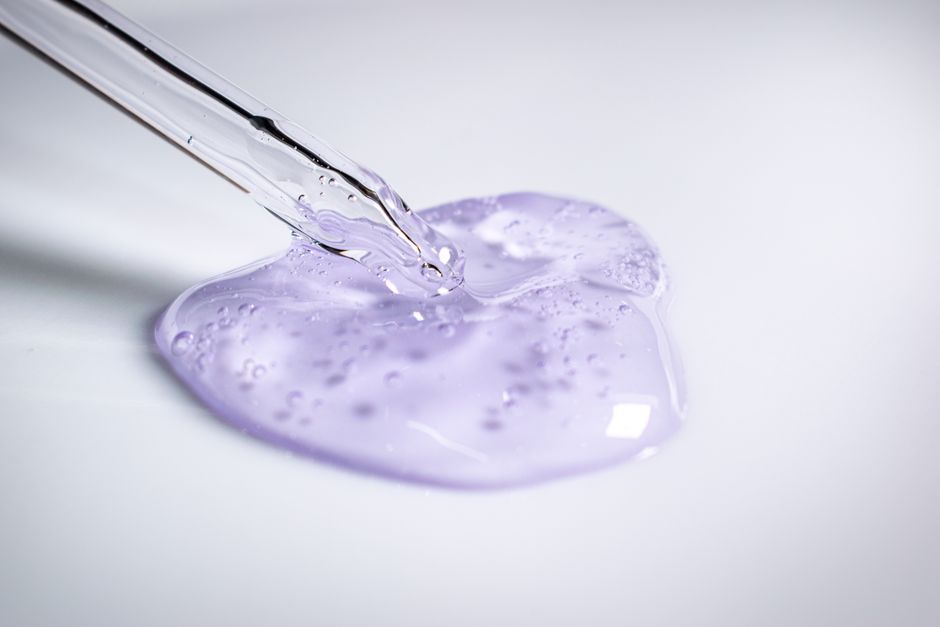
A chemical peel is a cosmetic procedure that involves applying a chemical solution to the skin to remove the outer layer. This process stimulates the growth of new skin cells, resulting in a brighter and smoother complexion. There are three main types of chemical peels: superficial, medium, and deep peels, each varying in strength and recovery time.
Superficial peels typically use mild acids, such as alpha-hydroxy acids (AHAs), to exfoliate only the outer layer of skin. They can be performed in a dermatologist’s office or even as part of a skincare routine at home. Medium peels, on the other hand, penetrate deeper into the skin using trichloroacetic acid (TCA) and require some downtime for recovery. Deep peels, which often use phenol, provide the most dramatic results but also come with longer recovery times and potential side effects.
Benefits of Chemical Peels
Chemical peels can provide numerous benefits for individuals looking to enhance their skin’s appearance. One of the most significant advantages is their ability to reduce signs of aging. By removing dead skin cells and stimulating collagen production, chemical peels can effectively diminish fine lines and wrinkles.
Moreover, these treatments can help with hyperpigmentation, acne scars, and uneven skin tone. According to a study published in the Journal of Cosmetic Dermatology, over 70% of participants reported significant improvement in their skin texture and appearance after a series of chemical peel treatments.
The Procedure: What to Expect
The chemical peel procedure typically starts with a thorough consultation with a qualified dermatologist. During this consultation, the practitioner will assess your skin type and discuss your goals to determine the most suitable peel for you. On the day of the procedure, the skin will be cleansed, and the chemical solution will be applied.
Depending on the type of peel, the application can last anywhere from a few minutes to an hour. Patients may experience a tingling or burning sensation during the treatment, which is usually manageable. After the peel is completed, soothing ointments may be applied to the skin to aid in recovery. It’s essential to follow the post-care instructions provided by your dermatologist to achieve optimal results.
Recovery and Aftercare
The recovery process varies based on the type of chemical peel performed. Superficial peels usually require minimal downtime, with patients often able to return to their regular activities immediately. Medium and deep peels, however, may require several days to weeks for recovery, during which the skin may peel and become red and sensitive.
During the recovery phase, it is crucial to protect the skin from sun exposure and follow a gentle skincare regimen. Hydrating products and sunscreens are essential to support the healing process. Patients are advised to avoid strenuous exercises and excessive sweating for a few days after the treatment.
Potential Risks and Considerations
While chemical peels can be highly beneficial, they are not without risks. Some potential side effects include redness, swelling, and peeling. In rare cases, patients may experience scarring or changes in skin pigmentation. It is vital to choose a qualified practitioner and discuss any concerns before undergoing the procedure.
Before committing to a chemical peel treatment, individuals should also consider their skin type and medical history. Those with certain skin conditions or who are pregnant may need to avoid these treatments. Consultation with a dermatologist can provide personalized advice and alternatives if needed.
Conclusion
Chemical peel treatments offer a promising solution for individuals looking to improve their skin’s appearance and address various concerns. With different types of peels available, it is essential to understand the benefits, procedures, recovery, and potential risks involved. For those considering this treatment, consulting a qualified dermatologist can help make informed decisions. If you want to learn more about chemical peel treatment options, reach out to a professional for tailored advice.




More Stories
Unlocking the Benefits of Chemical Peel Treatments for Radiant Skin
育毛治療: 髪の健康を取り戻すための最新のアプローチ
Descubre los mejores lugares para microblading cerca de ti