





Irrigation systems are crucial for agriculture and landscaping, allowing for the efficient use of water resources. With a growing global population and concerns over water scarcity, understanding how these systems work and their various types becomes increasingly important. This article explores the different irrigation systems, their benefits, and the technology that drives them.
Types of Irrigation Systems
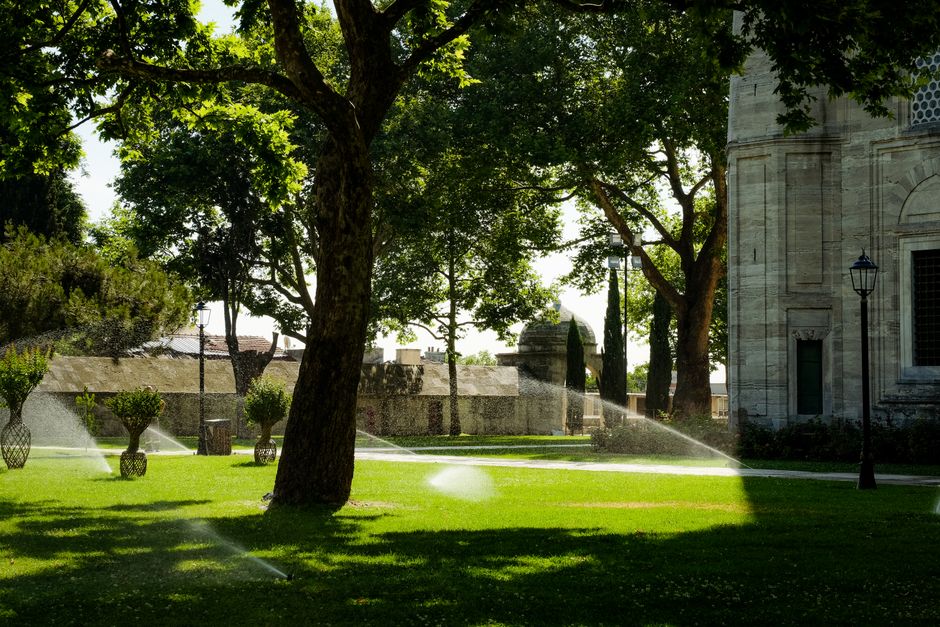
There are several types of irrigation systems, each with its own advantages and applications. The most common types include surface irrigation, drip irrigation, and sprinkler systems.
Surface irrigation involves the direct application of water to the soil surface, allowing it to flow over the field by gravity. This method is widely used due to its simplicity and low cost, but it can be inefficient due to evaporation and runoff losses.
Drip irrigation, on the other hand, delivers water directly to the plant roots through a series of tubes and emitters. This method is highly efficient, reducing water waste and promoting healthier plant growth. According to studies, drip irrigation can save up to 50% more water compared to traditional methods.
Sprinkler systems mimic natural rainfall, distributing water through a network of pipes and spray heads. These systems are versatile and can be used for various crops and landscapes. They are particularly effective in areas where water supply is limited.
Benefits of Using Irrigation Systems
The benefits of implementing an effective irrigation system are numerous. Firstly, they enhance crop yields by providing consistent moisture, which is essential for plant health. A study by the Food and Agriculture Organization (FAO) indicates that proper irrigation can increase crop production by 50% or more.
Secondly, irrigation systems help conserve water. By using techniques like drip irrigation, farmers can target the water directly to the roots, minimizing evaporation and runoff. This is particularly important in arid regions where water scarcity is a pressing issue.
Additionally, irrigation allows for more controlled farming practices. With the ability to manage water supply, farmers can optimize their planting schedules and improve crop quality. This leads not only to better harvests but also to more sustainable agricultural practices.
Technological Advancements in Irrigation
In recent years, technology has revolutionized irrigation systems. Automated systems equipped with sensors can monitor soil moisture levels and adjust water delivery accordingly. This precision agriculture approach maximizes efficiency and reduces waste.
Moreover, the integration of smart irrigation controllers with weather data can help farmers make informed decisions about when and how much to irrigate. Research indicates that such systems can lead to a 20-30% reduction in water use while maintaining crop yield.
Furthermore, the development of mobile apps allows farmers to manage their irrigation systems remotely. These innovations make it easier to monitor conditions and respond to changing weather patterns, ensuring that crops receive the right amount of water at the right time.
Challenges in Irrigation Management
Despite the advantages, managing irrigation systems presents several challenges. One major issue is the initial cost of installation, particularly for advanced systems like drip irrigation. While they offer long-term savings, the upfront investment can be a barrier for many farmers.
Another challenge is the maintenance of irrigation systems. Regular checks and repairs are necessary to prevent leaks and ensure optimal performance. Neglecting maintenance can lead to inefficiencies and increased water usage.
Additionally, the management of water resources is becoming increasingly complex due to climate change and competing demands for water. Farmers must adapt their irrigation practices to cope with these changes, which can require additional education and resources.
Conclusion
Irrigation systems play a vital role in modern agriculture and landscaping, providing numerous benefits such as increased crop yields and water conservation. Understanding the different types of systems, their advantages, and the latest technological advancements can help farmers make informed decisions about their irrigation practices. As we face ongoing challenges related to water scarcity and climate change, investing in efficient irrigation systems will be crucial for sustainable food production in the future. For a deeper dive into various irrigation techniques, explore further resources on the irrigation system.




More Stories
住宅ローン借り換えで家計を見直す方法
住宅ローン借り換えのメリットと注意点
住宅ローン借り換えを考える際のポイントとメリット