





Barbecue is not just a cooking method; it’s a way of life for many people around the world. The aroma of grilled meats, the sound of sizzling on the grill, and the joy of gathering with friends and family create unforgettable memories. In this comprehensive guide, we will explore various barbecue techniques, essential tips, and mouthwatering recipes that will elevate your grilling game.
Understanding Different Barbecue Styles
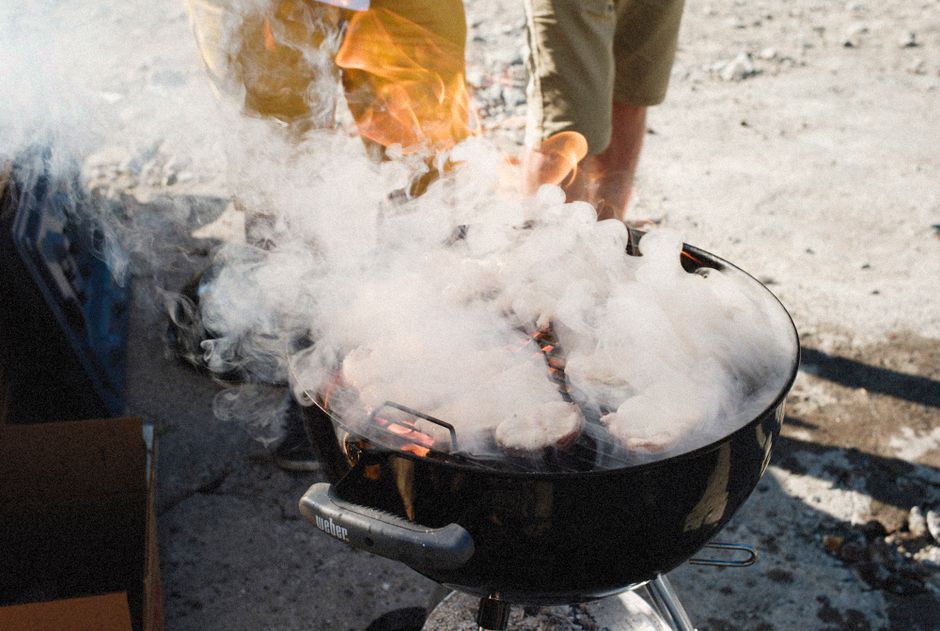
Barbecue styles vary widely across regions and cultures, each offering unique flavors and techniques. In the United States, for example, you can find distinct styles such as Texas brisket, Kansas City ribs, and Carolina pulled pork. Each region emphasizes different types of meat, sauces, and cooking methods. Understanding these differences can enhance your barbecue skills and help you to create authentic dishes.
Texas barbecue is famous for its brisket, which is slow-cooked over mesquite wood. The result is a smoky, tender cut of meat that melts in your mouth. In contrast, Kansas City barbecue is known for its thick, sweet tomato-based sauces and a variety of smoked meats, including ribs, sausage, and burnt ends. Carolina barbecue, on the other hand, usually features pulled pork with a tangy vinegar-based sauce, highlighting the region’s unique flavor profile.
In addition to American styles, other cultures also have their own barbecue traditions. For instance, Korean barbecue involves grilling marinated meats at the table, often accompanied by a variety of side dishes known as banchan. Similarly, Brazilian churrasco features skewered meats cooked over an open flame, delivering a distinct taste that is hard to resist.
Essential Barbecue Equipment
To start your barbecue journey, it’s important to have the right equipment. The type of grill you choose will significantly affect the outcome of your cooking. There are several options available, including charcoal grills, gas grills, and electric grills. Each has its advantages and disadvantages, so understanding them can help you make an informed decision.
Charcoal grills are beloved for their ability to impart a rich, smoky flavor to the food. However, they require more time and effort to set up and maintain. Gas grills, on the other hand, offer convenience and precise temperature control, making them ideal for quick meals. Electric grills are great for those with limited outdoor space, providing a hassle-free way to enjoy grilled dishes indoors.
In addition to grills, investing in quality barbecue tools is essential. A good set of tongs, a basting brush, and a meat thermometer can make a significant difference in your grilling experience. Moreover, consider adding a smoker box for your gas grill or a dedicated smoker for that authentic barbecue flavor.
Mastering Barbecue Techniques
Barbecuing is as much about technique as it is about ingredients. One crucial technique is mastering the art of indirect grilling, which involves cooking food away from the direct heat source. This method is perfect for larger cuts of meat, allowing them to cook evenly and retain moisture.
Another important technique is marinating or brining your meats. This not only enhances the flavor but also helps to tenderize the meat, making it more enjoyable to eat. A simple brine can be made with water, salt, and sugar, while marinades can include various herbs, spices, oils, and acids to create a complex flavor profile.
Moreover, don’t forget about resting your meat after cooking. Allowing it to rest for a few minutes before slicing ensures that the juices redistribute, resulting in a more flavorful and moist final product. This is especially important for large cuts like briskets and pork shoulders.
Delicious Barbecue Recipes
Now that you have a grasp of barbecue styles, equipment, and techniques, it’s time to put your skills to the test with some delicious recipes. Here are a few crowd-pleasers that are sure to impress your guests:
1. **Smoked Brisket**: Season a whole brisket with a blend of salt, pepper, and garlic powder. Smoke it at 225°F for about 1.5 hours per pound until it reaches an internal temperature of 203°F. Wrap it in butcher paper and let it rest for at least an hour before slicing.
2. **Kansas City Ribs**: Rub baby back ribs with a mix of brown sugar, paprika, and cayenne pepper. Cook them on the grill using the 3-2-1 method: three hours of smoking, two hours wrapped in foil with apple juice, and one final hour uncovered with a glaze of barbecue sauce.
3. **Pulled Pork**: Rub a pork shoulder with your favorite spices and cook it low and slow in a smoker or on a grill for 12-14 hours. Once tender, shred the meat and mix it with a tangy vinegar sauce for an authentic Carolina experience.
Barbecue Safety Tips
While barbecue is a fun and delicious activity, it’s essential to prioritize safety. Always ensure that your grill is placed in a well-ventilated area and away from flammable materials. Use long-handled tools to keep your hands away from the heat and avoid flare-ups.
It’s also crucial to maintain food safety by keeping raw meats separate from cooked foods. Use different cutting boards and utensils for raw and cooked items to prevent cross-contamination. Always check the internal temperature of meats with a thermometer to ensure they reach safe cooking temperatures.
Lastly, never leave your grill unattended while in use. Accidents can happen quickly, so being vigilant is key to a safe and enjoyable barbecue experience.
Conclusion
Barbecue is more than just a method of cooking; it’s a cherished tradition that brings people together. By understanding different styles, mastering essential techniques, and experimenting with delicious recipes, you can create unforgettable barbecue experiences. Remember to prioritize safety and enjoy the process of grilling, as it can lead to fantastic meals and lasting memories. To learn more about barbecue techniques and share your experiences, consider reaching out to Zeus for further guidance.




More Stories
The Art and Science of Book Production: A Comprehensive Guide
The Evolution of Education: A Journey Through Time and Technology
The Transformative Power of Education in Today’s Society