





Cardiopulmonary Resuscitation (CPR) is a critical skill that everyone should learn, as it can mean the difference between life and death in emergency situations. Understanding how to perform CPR effectively can save lives, especially in cases of cardiac arrest, where immediate action is essential. This article delves into the significance of CPR, the proper techniques to administer it, and the training options available for individuals looking to gain or refresh their skills.
What is CPR?
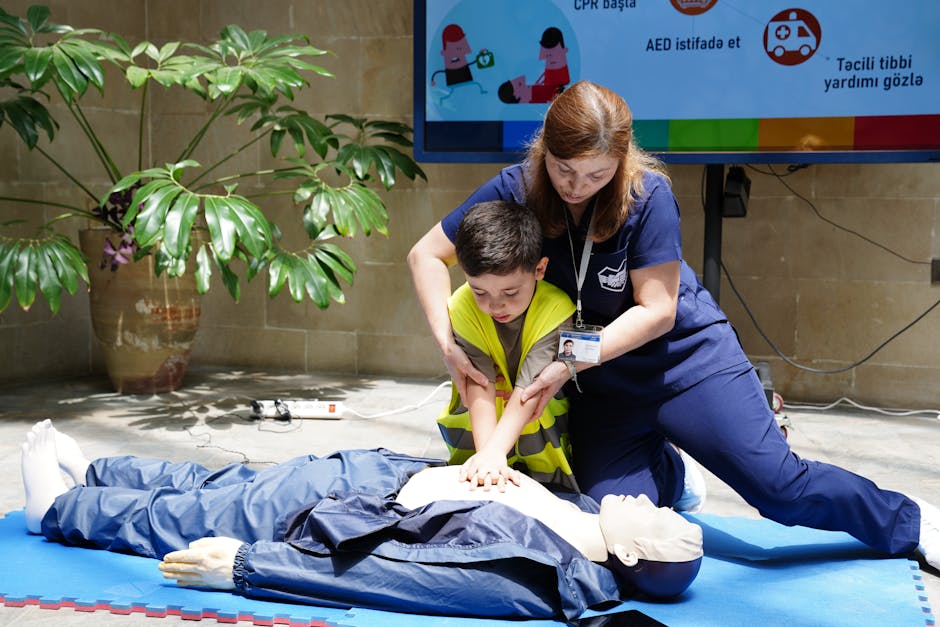
CPR is an emergency procedure performed when the heart stops beating. It involves a combination of chest compressions and rescue breaths, aimed at restoring blood flow and oxygen to the brain and vital organs. The procedure can be performed by bystanders or first responders and is vital for increasing the chances of survival until professional medical help arrives.
According to the American Heart Association, immediate CPR can double or triple a victim’s chance of survival after a cardiac arrest. Understanding the basics of this life-saving technique is essential for everyone, as you never know when you might be in a situation where you need to act.
Basic Steps of CPR
The steps of CPR can be broken down into a few simple actions. First, ensure the scene is safe and check the victim for responsiveness. If the person is unresponsive, call emergency services immediately. Next, initiate chest compressions by placing your hands in the center of the chest and pushing down hard and fast, at a rate of 100 to 120 compressions per minute.
After 30 compressions, provide 2 rescue breaths if you are trained to do so. To give rescue breaths, tilt the victim’s head back slightly, pinch the nose shut, and seal your lips around their mouth. Give two breaths, watching for the chest to rise. Continue the cycle of 30 compressions and 2 breaths until emergency services arrive or an automated external defibrillator (AED) is available.
The Importance of Training
While the steps of CPR may seem straightforward, proper training is crucial to ensure that you can perform the technique effectively and confidently. CPR training courses are widely available, offering hands-on practice and the opportunity to learn the latest guidelines and techniques. These courses often cover adult, child, and infant CPR, as well as how to use an AED.
Many organizations, including the Red Cross and local hospitals, provide CPR training. For those in Stockholm, consider enrolling in a HLR kurs Stockholm to learn essential skills that can save lives. Remember, the more people who are trained in CPR, the greater the chances of survival for those in need.
Recognizing Cardiac Arrest
Recognizing the signs of cardiac arrest is vital for initiating CPR promptly. Symptoms may include sudden collapse, unresponsiveness, and abnormal or no breathing. It’s important to act quickly, as every minute without CPR reduces the chances of survival significantly.
Statistics show that nearly 70% of cardiac arrests occur at home, highlighting the importance of being prepared in everyday situations. By knowing how to recognize the signs and perform CPR, you can play a crucial role in saving a life.
Conclusion: A Community Responsibility
CPR is not just a skill; it is a community responsibility. By learning and promoting CPR training, we can create a safer environment for everyone. Whether at home, work, or in public spaces, being equipped with CPR knowledge can empower individuals to take action when it matters most.
As we continue to spread awareness about the importance of CPR, let us strive to ensure that more people are trained and ready to respond to emergencies. Remember, your actions could be the difference between life and death for someone in need.




More Stories
The Transformative Power of Hypnotherapy: Unlocking Your Mind’s Potential
Embracing a Healthy Life: Practical Tips for Well-Being
The Ultimate Guide to Hair Transplant: Procedures, Benefits, and Considerations