





The pursuit of a fuller head of hair has led many individuals to consider hair transplant procedures. With advancements in technology and techniques, hair transplants have become a viable solution for those facing hair loss. This article delves into the intricacies of hair transplantation, addressing common concerns, the procedure itself, and what to expect post-surgery.
What is Hair Transplant?
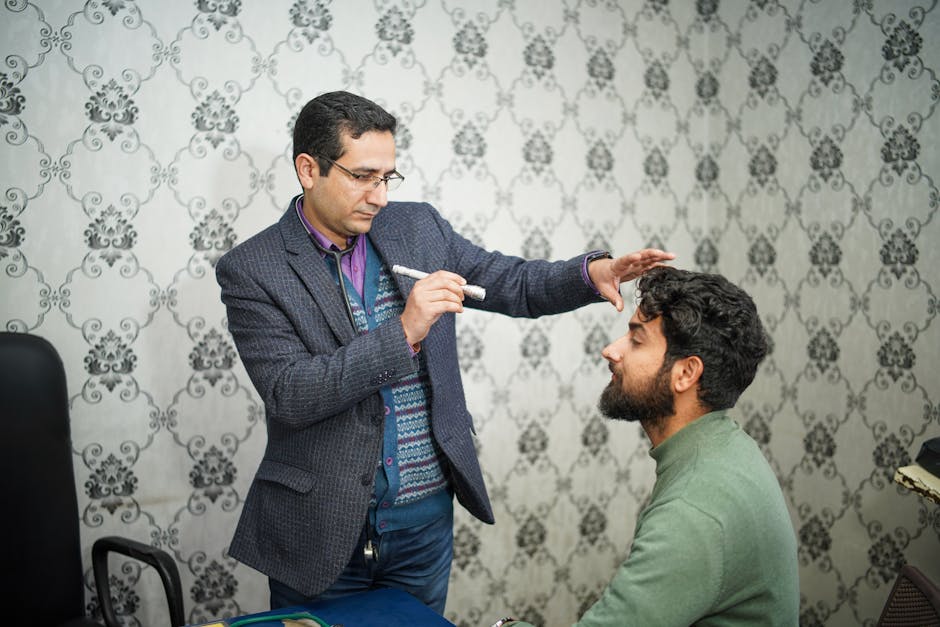
Hair transplant is a surgical procedure that involves relocating hair follicles from a donor site to a bald or thinning area of the scalp. The two primary methods of hair transplantation are Follicular Unit Transplantation (FUT) and Follicular Unit Extraction (FUE). FUT involves removing a strip of scalp from the back of the head, while FUE extracts individual hair follicles directly.
The choice between these methods often depends on the extent of hair loss, the patient’s preference, and the surgeon’s recommendation. Both techniques aim to create a natural-looking hairline that blends seamlessly with the existing hair.
Understanding the fundamentals of hair transplant can help prospective patients make informed decisions. It is crucial to consult with a qualified surgeon who can provide insights tailored to individual needs.
The Consultation Process
Before undergoing a hair transplant, a thorough consultation with a specialist is essential. During this session, patients will discuss their medical history, hair loss patterns, and personal expectations. Surgeons often perform a scalp examination to assess the donor area and determine the feasibility of the procedure.
Additionally, patients should inquire about the surgeon’s experience and success rates. A reputable clinic will provide before-and-after photos of previous patients, showcasing the potential results.
This stage is also an opportunity for patients to express any concerns they may have regarding the procedure, recovery time, and costs involved. Transparency during the consultation sets a solid foundation for a successful hair transplant journey.
The Hair Transplant Procedure
The hair transplant procedure typically takes several hours, depending on the method chosen and the extent of the transplant. For FUT, the surgeon will remove a strip of skin from the donor site, which is then dissected into individual follicles. In contrast, FUE involves using a specialized tool to extract follicles directly from the scalp.
Once the follicles are prepared, the surgeon creates tiny incisions in the recipient area and carefully implants the hair follicles. This meticulous process ensures that the hair grows in the natural direction, enhancing the overall aesthetic.
Anesthesia is administered to minimize discomfort during the procedure. Patients can expect some swelling and mild pain post-surgery, which can be managed with prescribed medications.
Post-Operative Care and Expectations
After the surgery, patients need to adhere to specific post-operative care instructions to ensure optimal healing. This typically includes avoiding strenuous activities, protecting the scalp from direct sunlight, and refraining from touching or scratching the transplanted area.
It’s normal for transplanted hair to shed within the first few weeks, as the follicles enter a resting phase. However, new hair growth typically begins within three to six months. Full results may take up to a year to become evident, with hair continuing to thicken and mature over time.
Regular follow-ups with the surgeon are essential to monitor the healing process and address any concerns that may arise. Patients should also be aware of potential side effects, including infections or scarring, and report any unusual symptoms to their healthcare provider.
The Role of Location in Hair Transplant Success
The choice of location for a hair transplant can significantly affect the quality and cost of the procedure. For instance, many individuals are opting for hair transplants in regions known for their advanced medical facilities and competitive pricing, such as Turkey. Clinics in cities like Istanbul have gained popularity for offering high-quality procedures at a fraction of the cost compared to Western countries.
Patients considering international options should research clinics thoroughly, ensuring they meet international standards and are accredited. Reading patient reviews and testimonials can provide valuable insights into the experiences of others.
One such option for those looking to explore this is hair transplant istanbul, where various clinics offer comprehensive packages including accommodation and post-operative care.
Conclusion
Hair transplantation is a transformative procedure that can significantly impact an individual’s confidence and self-image. By understanding the process, from consultation to post-operative care, patients can approach their hair restoration journey with realistic expectations and informed decisions. With the right preparation and care, a successful hair transplant can lead to a fuller, more vibrant head of hair, allowing individuals to embrace their appearance with renewed confidence.




More Stories
The Transformative Power of Hypnotherapy: Unlocking Your Mind’s Potential
The Life-Saving Importance of CPR in Emergencies
Embracing a Healthy Life: Practical Tips for Well-Being