





In today’s fast-paced business environment, the threat of fraud is ever-present. Invoice fraud, in particular, has become a significant concern for companies of all sizes. With the sophistication of fraudsters continually evolving, it is essential for businesses to implement effective strategies to detect fraudulent invoices early. This article delves into various methods and best practices that can help organizations safeguard their finances and maintain integrity in their operations.
Understanding Invoice Fraud
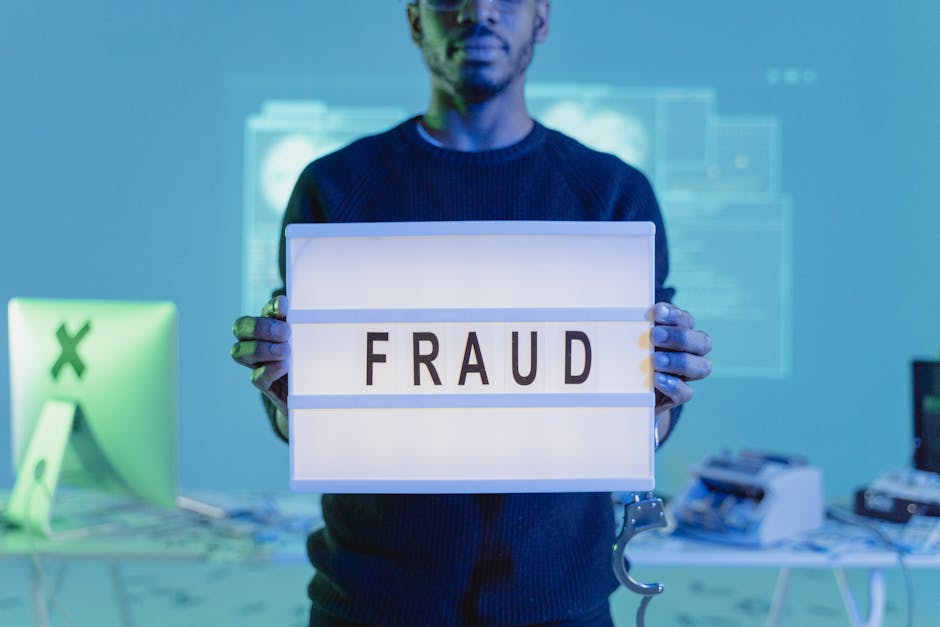
Invoice fraud occurs when a fraudulent entity submits a fake invoice for payment, often impersonating a legitimate vendor. According to a report from the Association of Certified Fraud Examiners (ACFE), businesses lose 5% of their annual revenue to fraud, with invoice fraud being one of the most common schemes. Recognizing the different types of invoice fraud is crucial in developing a robust detection strategy.
Common types of invoice fraud include:
- Fake invoices: Fraudsters create invoices for services or products that were never provided.
- Phishing schemes: Scammers pose as legitimate vendors and trick employees into changing payment details.
- Duplicate invoices: Submitting the same invoice multiple times to receive payment more than once.
Understanding these types of fraud is the first step in creating a prevention and detection plan.
Implementing Strong Internal Controls
One of the most effective ways to detect fraudulent invoices is by establishing strong internal controls. This includes creating a clear process for invoice approval, ensuring that multiple employees are involved in the payment process, and conducting regular audits of financial transactions. For instance, having a two-person rule where one employee verifies the invoice while another processes the payment can significantly reduce the risk of fraud.
Additionally, companies should maintain a centralized database of vendors to minimize the chances of duplicate or fake invoices being processed. By verifying vendor information and keeping it up-to-date, businesses can ensure that payments are only made to legitimate sources.
Utilizing Technology for Detection
Technology plays a vital role in detecting invoice fraud. Implementing accounting software that includes fraud detection capabilities can streamline the identification process. Many modern accounting systems offer features that flag unusual invoice patterns or discrepancies, allowing businesses to investigate further before processing payments.
Moreover, tools that utilize artificial intelligence and machine learning can analyze invoice data to identify anomalies. For example, if an invoice amount significantly deviates from previous transactions with the same vendor, the system can alert the finance team for further investigation. This proactive approach can help detect fraud before it impacts the company’s bottom line.
Training Employees on Fraud Awareness
Educating employees about the signs of fraudulent invoices is essential in any fraud prevention strategy. Regular training sessions can empower employees to recognize suspicious activities and report them promptly. For instance, employees should be trained to verify invoice details such as the sender’s email address, the invoice number, and the services provided.
Encouraging a culture of transparency and open communication can also help in mitigating fraud risks. Employees should feel comfortable reporting any suspicious activity without fear of repercussions. Implementing an anonymous reporting system can further enhance this culture.
Conducting Regular Audits
Regular audits of financial transactions are crucial in detecting fraudulent invoices. These audits can help identify discrepancies and unusual patterns that may indicate fraudulent activity. A recent study by the Institute of Internal Auditors found that organizations that conduct regular audits detect fraud 50% more often than those that do not.
Audits should involve reviewing past invoices, payment history, and vendor contracts to ensure compliance with company policies. This process not only helps in detecting fraud but also strengthens the overall financial health of the organization.
In conclusion, a comprehensive approach to detecting fraudulent invoices involves understanding the types of fraud, implementing strong internal controls, utilizing technology, training employees, and conducting regular audits. By prioritizing these practices, businesses can significantly reduce their vulnerability to invoice fraud and protect their financial assets. For further resources on how to detect fraud invoice effectively, businesses may consider leveraging tools designed for fraud detection and prevention.




More Stories
Navigating the Landscape of Capital Investment
Understanding Capital Investment: A Comprehensive Guide
Exploring the Dynamics of Adult Entertainment Sites