





In recent years, artificial intelligence has made significant strides in various fields, and image detection is one of the most promising areas. AI image detectors are sophisticated algorithms that analyze and interpret visual data, enabling machines to understand images much like humans do. This technology is revolutionizing industries by enhancing security, improving efficiency, and enabling new applications that were previously unimaginable.
What is an AI Image Detector?
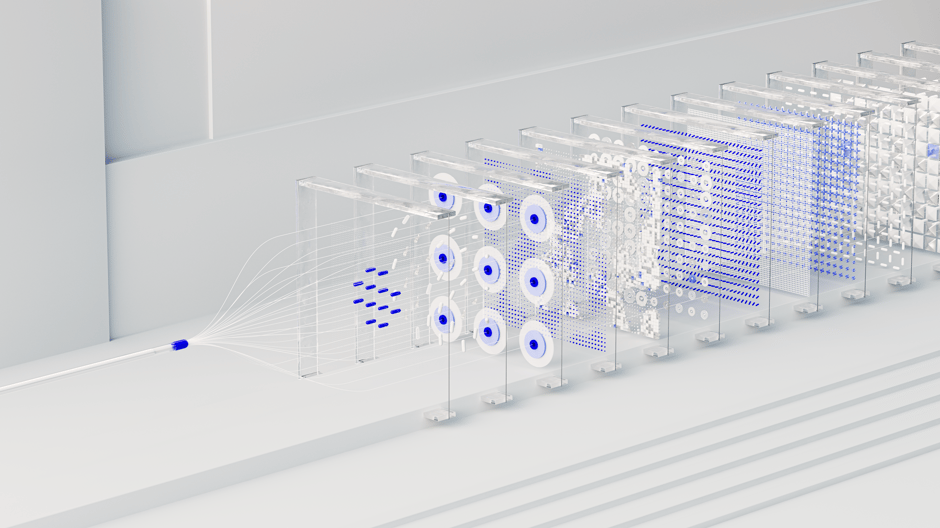
An AI image detector is a type of software that uses machine learning techniques to identify objects, patterns, and features within images. These detectors are trained using large datasets of labeled images, allowing them to learn the characteristics of different objects. For example, a detector might be trained on thousands of images of cars, cats, and buildings, learning to recognize these items in new, unseen images.
The core of an AI image detector often involves convolutional neural networks (CNNs), which are particularly effective for image-related tasks. CNNs analyze images by passing them through multiple layers, each of which extracts different features. As the data passes through these layers, the network learns to identify complex patterns and make predictions about the content of the images.
Applications of AI Image Detectors
The applications of AI image detectors are vast and diverse, impacting various sectors. One of the most notable applications is in security and surveillance. AI-powered cameras can detect suspicious behavior, recognize faces, and alert security personnel in real-time, significantly enhancing safety measures in public spaces.
In the healthcare industry, AI image detectors are being used to analyze medical images such as X-rays, MRIs, and CT scans. These systems can assist doctors in diagnosing diseases with greater accuracy and speed. For instance, studies have shown that AI can detect certain types of cancers in medical images with a precision that rivals human specialists.
Another exciting application is in autonomous vehicles. AI image detectors enable self-driving cars to perceive their surroundings by identifying obstacles, pedestrians, and road signs. This capability is crucial for ensuring the safety and efficacy of autonomous transportation systems.
Challenges and Limitations
Despite their potential, AI image detectors face several challenges. One major issue is the quality and diversity of the training data. If an AI system is trained on biased or unrepresentative datasets, it may struggle to perform well in real-world situations. For instance, a detector trained primarily on images from urban environments may not accurately identify objects in rural settings.
Additionally, AI image detectors can suffer from a lack of interpretability. While they can make accurate predictions, understanding why a system arrived at a particular conclusion can be challenging. This opacity raises concerns, especially in critical applications such as healthcare, where decisions can have significant consequences.
Future Prospects of AI Image Detection
The future of AI image detectors looks promising as advancements in machine learning and computer vision continue. Researchers are exploring techniques to improve the interpretability of these systems, making it easier for users to understand their decision-making processes. Moreover, the integration of AI image detection with other technologies, such as augmented reality, is expected to create even more innovative applications.
Furthermore, as more organizations adopt AI image detectors, the demand for skilled professionals in this field is likely to increase. Understanding how to develop, implement, and maintain these systems will be crucial for businesses looking to leverage AI for their operations.
For those interested in exploring the capabilities of AI image detection, various platforms and tools are available. One such resource is an ai image detector that provides users with the ability to analyze and interpret images effectively.
Conclusion
AI image detectors represent a significant leap forward in the way machines understand visual data. From enhancing security to transforming healthcare and enabling autonomous vehicles, their applications are vast and impactful. While challenges remain, the ongoing research and development in this field promise to unlock even greater possibilities in the future. As we continue to integrate AI image detection into our daily lives, it is essential to address the ethical considerations and ensure that these technologies are used responsibly and effectively.




More Stories
Exploring the Capabilities of AI Image Detectors