




In today’s fast-paced world, children’s toys play a crucial role in a child’s development and entertainment. The industry surrounding children’s toys is vast, encompassing a myriad of manufacturers, designs, and innovations. As parents and guardians seek the best for their children, understanding the landscape of children’s toy manufacturing becomes essential. This article delves into the intricacies of this industry, shedding light on trends, safety standards, and the future of toy manufacturing.
The Evolution of Children’s Toys
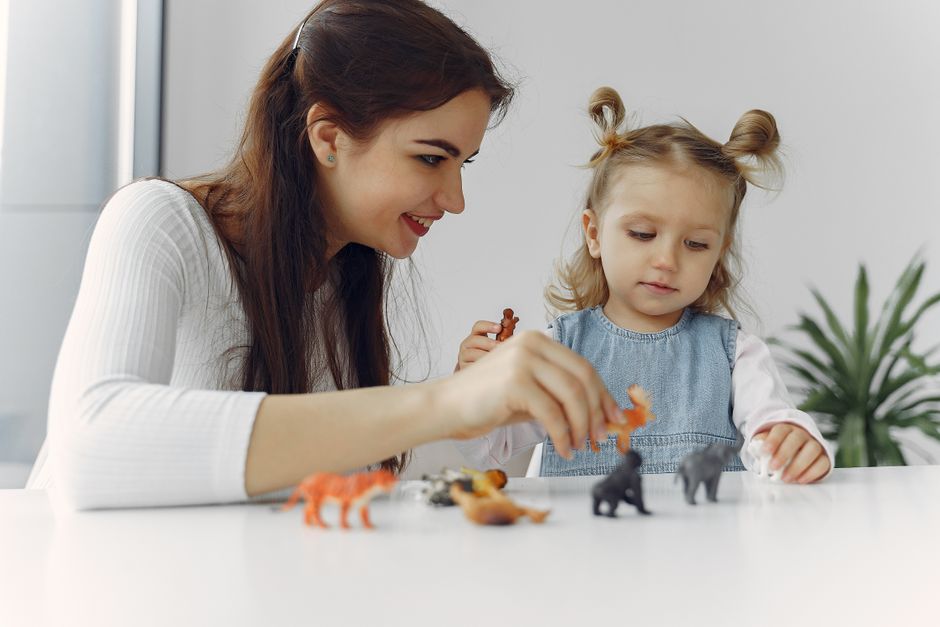
The history of children’s toys dates back to ancient civilizations, where simple objects were created for the entertainment and education of children. Over the years, toys have evolved significantly, reflecting cultural changes and technological advancements. For instance, the introduction of plastic in the mid-20th century revolutionized toy manufacturing, leading to the creation of durable and colorful toys that are now ubiquitous in households worldwide.
Today, toys range from traditional wooden blocks to high-tech interactive robots, showcasing the diversity in materials and designs. Manufacturers are continuously innovating to capture the interest of children while ensuring that their products meet safety regulations and educational standards.
Current Trends in Toy Manufacturing
The children’s toy industry is highly dynamic, with trends changing rapidly based on consumer preferences and technological advancements. One significant trend is the rise of eco-friendly toys. As awareness of environmental issues grows, many manufacturers are shifting towards sustainable materials and production methods. This shift not only appeals to environmentally conscious consumers but also promotes a healthier planet for future generations.
In addition to sustainability, there is a growing demand for educational toys that promote STEM (Science, Technology, Engineering, and Mathematics) learning. Toys that encourage problem-solving, critical thinking, and creativity are becoming increasingly popular among parents who recognize the importance of these skills in their children’s development.
Safety Standards in Toy Manufacturing
Safety is a paramount concern in the production of children’s toys. Manufacturers are required to adhere to stringent safety standards to ensure that their products are free from harmful substances and potential hazards. In the United States, the Consumer Product Safety Commission (CPSC) sets regulations that toy manufacturers must follow, including testing for lead content, small parts that could pose choking hazards, and ensuring that toys are appropriately labeled.
Furthermore, many manufacturers voluntarily seek certifications from recognized organizations to demonstrate their commitment to safety. These certifications not only build consumer trust but also enhance a manufacturer’s reputation in a competitive market. An example of a reputable children’s toy manufacturer is children toy manufacturer, known for its adherence to safety standards and innovative designs.
The Future of Toy Manufacturing
Looking ahead, the future of children’s toy manufacturing appears bright, with advancements in technology paving the way for exciting innovations. The integration of augmented reality (AR) and virtual reality (VR) into toys is one such development that is gaining traction. These technologies provide immersive experiences that can enhance playtime, making it both educational and entertaining.
Moreover, the influence of digital platforms cannot be overlooked. Many toy manufacturers are now developing apps and online content that complement their physical products, creating a cohesive play experience that bridges the gap between the digital and physical worlds. This trend is particularly appealing to tech-savvy parents and children, ensuring that toys remain relevant in a digital age.
Challenges Facing Toy Manufacturers
Despite the promising future, the toy manufacturing industry faces several challenges. Global supply chain disruptions, especially in the wake of the COVID-19 pandemic, have impacted production and distribution. Manufacturers are now reconsidering their sourcing strategies and looking for ways to localize production to mitigate these risks.
Additionally, the competitive nature of the toy market requires manufacturers to constantly innovate and differentiate their products. As more companies enter the market, establishing a unique brand identity becomes crucial for success. Effective marketing strategies and understanding consumer behavior are key factors that can influence a manufacturer’s ability to thrive in this ever-evolving landscape.
Conclusion
The world of children’s toy manufacturing is a vibrant and dynamic industry that plays a significant role in childhood development and entertainment. As trends shift towards sustainability and educational value, manufacturers must adapt to meet the changing demands of consumers. With stringent safety standards in place and the integration of advanced technologies, the future of toy manufacturing looks promising. By addressing challenges and embracing innovation, children’s toy manufacturers can continue to create products that delight and educate young minds.



More Stories
Transform Your Images with Professional Photo Editing Services
Transform Your Images with Professional Photo Editing Services
Unlocking the Power of Professional Photo Editing Services