





Virtual tour photography is revolutionizing the way we experience spaces, enabling immersive exploration from the comfort of our homes. As technology advances, the demand for high-quality virtual tours is on the rise, offering businesses and individuals a unique marketing tool. In this article, we will delve into the intricacies of virtual tour photography, its benefits, and how to effectively implement it in various sectors.
Understanding Virtual Tour Photography
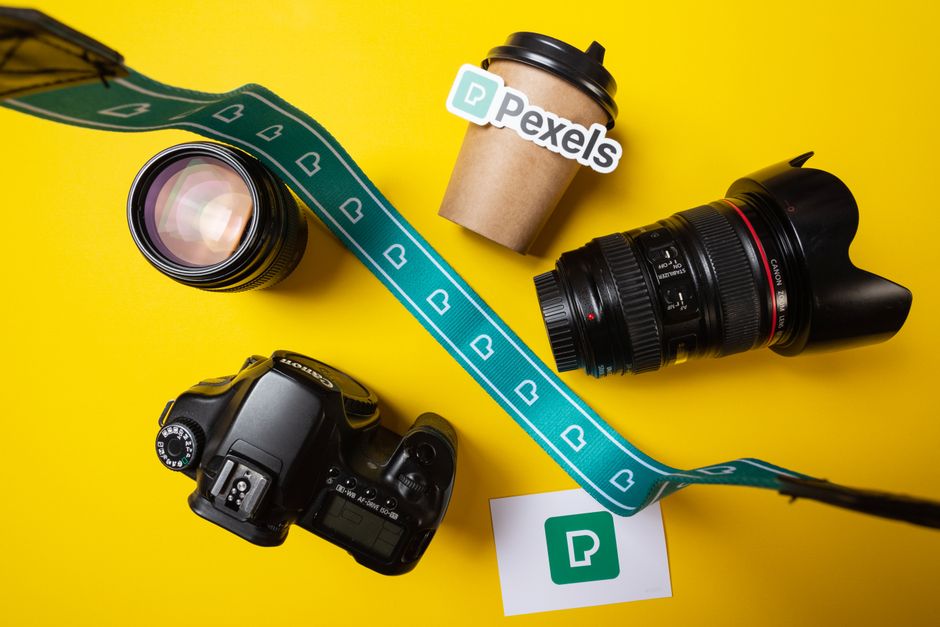
Virtual tour photography involves creating a series of panoramic images that are stitched together to form an interactive experience. Users can navigate through spaces, viewing them from different angles and perspectives. This technology is particularly beneficial for real estate, hospitality, and tourism industries. According to a recent study, properties with virtual tours receive 87% more inquiries than those without, showcasing the effectiveness of this tool.
One of the primary components of virtual tour photography is the use of high-resolution cameras and specialized software. Photographers often utilize 360-degree cameras to capture the entire environment in a single shot, allowing for a seamless viewing experience. The resulting images are then processed and uploaded to a platform where users can engage with the content.
Benefits of Virtual Tour Photography
There are numerous advantages to incorporating virtual tour photography into your marketing strategy. Firstly, it enhances user engagement. Studies indicate that interactive content, such as virtual tours, increases the time spent on a website by up to 50%. This increased dwell time can lead to higher conversion rates, making it a valuable asset for businesses.
Furthermore, virtual tours provide a sense of authenticity that traditional photographs cannot. Potential clients can explore a space at their own pace, gaining a better understanding of the environment. This transparency fosters trust, which is crucial in industries like real estate and hospitality. By offering an immersive experience, businesses can effectively showcase their unique selling points.
Implementing Virtual Tours in Real Estate
The real estate market has been one of the biggest beneficiaries of virtual tour photography. Agents can present properties in a more engaging manner, attracting a wider audience. By incorporating virtual tours into listings, realtors can save time by filtering out uninterested buyers who may not resonate with the property.
Moreover, during the pandemic, virtual tours became an essential tool, allowing buyers to view homes without the need for physical visits. This trend is likely to continue, as many agents have found that virtual tours can complement in-person showings, providing potential buyers with a comprehensive view of the property.
Incorporating virtual tours into real estate marketing is relatively straightforward. Agents can hire professional photographers who specialize in this type of content or invest in 360-degree cameras to create their own tours. The key is to ensure high-quality images that accurately represent the space.
Virtual Tours in Hospitality and Tourism
The hospitality and tourism industries have also embraced virtual tour photography. Hotels and resorts can showcase their amenities and surroundings, allowing potential guests to explore before booking. This immersive experience can significantly influence a customer’s decision-making process.
For example, a hotel might create a virtual tour that highlights not only the rooms but also the dining options, pools, and local attractions. This comprehensive presentation can enhance the perceived value of the stay, encouraging bookings. According to recent statistics, hotels that use virtual tours see a 30% increase in online bookings.
Additionally, tourism boards can utilize virtual tours to promote destinations. By offering a virtual exploration of a city or region, they can entice travelers to visit in person. This strategy has proven effective in drawing attention to less-traveled destinations, helping to boost local economies.
The Future of Virtual Tour Photography
As technology continues to evolve, the future of virtual tour photography looks promising. Innovations such as virtual reality (VR) and augmented reality (AR) are expected to further enhance user experiences. These technologies will allow users to not only view a space but also interact with it in real-time, creating even more immersive experiences.
Moreover, the integration of artificial intelligence (AI) is anticipated to streamline the process of creating virtual tours. AI can assist in image processing and even in generating virtual tours from standard photographs. This advancement will make virtual tour photography more accessible to businesses of all sizes.
As trends show, the demand for virtual tours will only grow, making it essential for businesses to adopt this technology. Companies that stay ahead of the curve will likely see significant benefits in their marketing efforts.
Conclusion
In conclusion, virtual tour photography is not merely a trend; it is a powerful marketing tool that is reshaping how we experience spaces. Its benefits are clear, from enhancing user engagement to fostering trust and transparency. As more industries recognize the value of virtual tours, the future looks bright for this innovative approach to photography. For those interested in exploring the possibilities of virtual tour photography, consider reaching out to professionals in the field to harness the full potential of this technology. To learn more about this exciting development in photography, check out virtual tour photography.




More Stories
Transforming Workspaces: The Role of Office Fit Out Companies
Creating Inspiring Spaces: The Role of an Interior Design Firm
Transforming Spaces: The Impact of Home Staging Services