





In the highly competitive world of the restaurant industry, the interior design of a dining space plays a crucial role in attracting customers and enhancing their dining experience. The ambiance created through thoughtful design can significantly influence a patron’s mood and overall satisfaction. This article explores the essential elements of restaurant interior design, the latest trends, and practical tips for creating an inviting atmosphere that keeps customers coming back.
Understanding Restaurant Interior Design
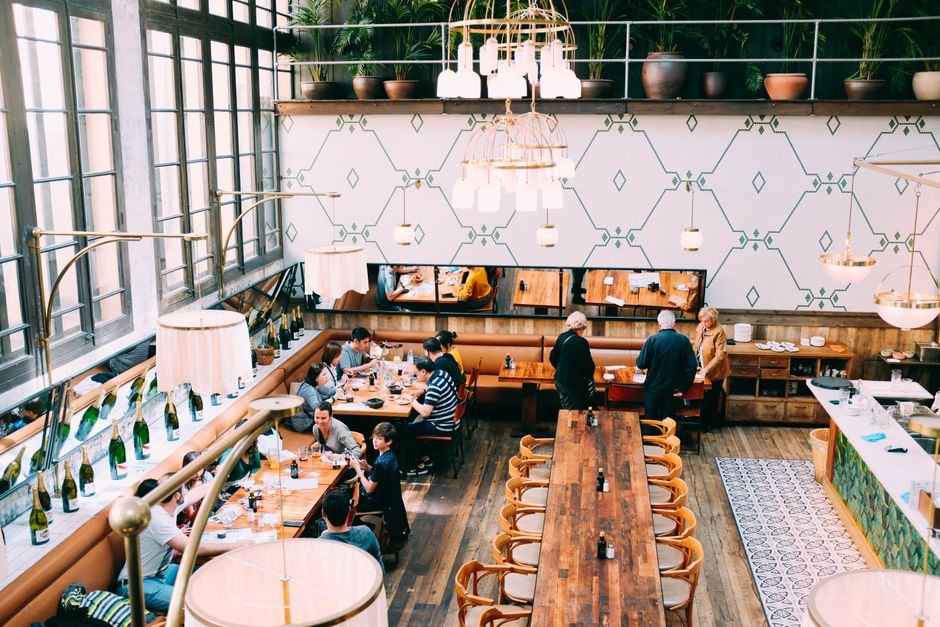
Restaurant interior design is more than just aesthetics; it encompasses functionality, comfort, and the overall dining experience. A well-designed restaurant not only reflects the brand’s identity but also caters to the needs of its customers. Elements such as layout, color schemes, lighting, and furniture selection are vital in creating a cohesive and appealing environment. For instance, a fine dining establishment might opt for luxurious materials and subdued lighting to create an intimate setting, while a casual eatery may choose bright colors and open spaces to encourage a lively atmosphere.
Designers often start by analyzing the target audience and the type of dining experience the restaurant aims to provide. This involves understanding cultural preferences, dining habits, and even local trends. For example, a restaurant that caters to families might prioritize spacious seating arrangements and playful decor, while a trendy bistro might focus on minimalist design and artisanal touches.
Key Elements of Restaurant Interior Design
Several key elements contribute to successful restaurant interior design. First and foremost is the layout. An efficient layout ensures smooth flow for both staff and customers, minimizing congestion during peak hours. Open kitchens can enhance the dining experience by allowing guests to see their meals being prepared, while private dining areas can cater to more intimate gatherings.
Another crucial aspect is the use of color. Colors can evoke emotions and influence behavior; for example, warm tones like reds and oranges can stimulate appetite, while cool colors like blues and greens can create a calming atmosphere. Lighting also plays a significant role, as it can transform a space from bright and energetic to soft and romantic with the flick of a switch.
Furniture selection is equally important. Comfortable seating encourages customers to linger, while the style of tables and chairs can reinforce the overall theme of the restaurant. For example, rustic wooden tables may enhance a farm-to-table concept, while sleek metal furniture might suit an industrial-themed eatery.
Current Trends in Restaurant Interior Design
As the dining landscape evolves, so do the trends in interior design. Currently, sustainability is at the forefront, with many restaurants opting for eco-friendly materials and designs that reduce environmental impact. This includes reclaimed wood, energy-efficient lighting, and incorporating plants into the decor. Not only does this appeal to environmentally conscious consumers, but it also creates a unique and inviting atmosphere.
Another trend gaining traction is the incorporation of technology in design. Interactive menus, digital displays, and smart lighting systems are becoming more common, enhancing the customer experience and streamlining operations. Furthermore, the rise of remote work has led to an increase in cafes and restaurants designed as multi-functional spaces where people can work and socialize.
Practical Tips for Effective Restaurant Design
When it comes to designing a restaurant, practical considerations are essential. Here are some tips to ensure your design is both functional and appealing:
- Plan for Flexibility: Design spaces that can adapt to different dining scenarios, such as larger groups or private events.
- Focus on Acoustics: Consider sound-absorbing materials to create a comfortable noise level, enhancing the dining experience.
- Highlight Key Features: Use design elements to draw attention to unique aspects of the restaurant, such as a signature dish or a beautiful view.
- Invest in Quality: Choosing durable materials can save costs in the long run, reducing the need for frequent updates or replacements.
Ultimately, the goal of restaurant interior design is to create a space that resonates with customers and enhances their dining experience. By thoughtfully considering each element, from layout to decor, restaurateurs can develop an inviting atmosphere that leaves a lasting impression.
Conclusion
In conclusion, restaurant interior design is a multifaceted discipline that requires a blend of creativity, functionality, and an understanding of customer needs. As the industry continues to evolve, staying abreast of trends and best practices in design is crucial for success. Restaurants that prioritize thoughtful design not only attract customers but also foster loyalty and create a memorable dining experience. For those looking to elevate their space, exploring professional resources in restaurant interior design can provide valuable insights and inspiration.




More Stories
Navigating the World of Children Toy Manufacturing
The Rising Trends in Children’s Toy Manufacturing
The Evolution and Impact of Children Toy Manufacturers