



In today’s music industry, having access to a professional recording studio is crucial for artists looking to produce high-quality tracks. Whether you are a budding musician or an established artist, the right studio can make all the difference in your sound. This article explores the essential factors to consider when renting a recording studio, ensuring you make the best choice for your project.
Understanding Your Needs
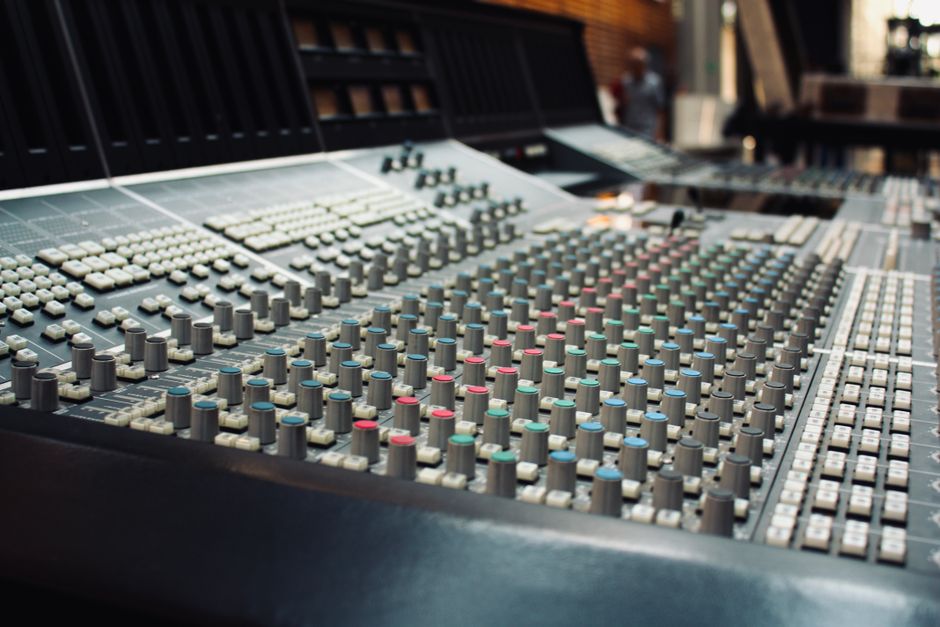
Before diving into the world of recording studio rentals, it’s important to assess your specific needs. Different projects require different setups, so start by defining your goals. Are you recording a solo album, a band demo, or perhaps a podcast? Each scenario comes with unique requirements.
For instance, a solo artist might need a smaller space with good acoustics and essential recording equipment, while a full band might require a larger studio with multiple isolation rooms. Additionally, consider the type of music you are creating. Genres like orchestral music may need more sophisticated setups compared to electronic music.
Researching Different Studios
Once you have a clear understanding of your needs, the next step is to research available studios in your area. Start by checking online directories, local music communities, and social media platforms where studios often promote their services.
Look for studios that have good reviews and a solid reputation. It’s also beneficial to visit potential studios to get a feel for the space. During your visit, check the equipment, acoustics, and overall vibe. You want a studio that inspires creativity and fits your artistic vision.
Cost Considerations
Budget is often a significant factor when it comes to renting a recording studio. Rates can vary widely depending on the studio’s location, equipment, and reputation. On average, you might expect to pay anywhere from $50 to $300 per hour.
When considering costs, think about what is included in the rental price. Some studios provide an engineer as part of the package, while others may charge extra for this service. Also, inquire about any additional fees, such as for mixing and mastering, which can significantly affect your overall budget.
Booking and Preparing for Your Session
Once you’ve chosen a studio, it’s time to book your session. Most studios allow you to reserve time online or over the phone. Be sure to confirm the details, including the studio’s cancellation policy, as well as any deposit requirements.
Preparation is key to a successful recording session. Make sure to arrive with all your instruments, sheet music, and any other necessary materials. If you’re working with a producer or sound engineer, communicate your vision and any specific sounds you want to achieve. This collaboration can help maximize productivity during your time in the studio.
Making the Most of Your Studio Time
During your recording session, time management is essential. Keep a schedule to ensure that you cover all your planned tracks. Don’t hesitate to ask for feedback from the engineer or producer; they often have valuable insights that can enhance your recording.
Moreover, if you’re considering a recording studio rental for future projects, take notes on what worked well and what didn’t during your session. This reflection will help you improve for your next recording experience. Remember, the goal is to create the best possible music while enjoying the process.
Conclusion
Renting a recording studio can be an exciting yet daunting task, especially for those new to the music scene. By understanding your needs, researching studios, considering costs, and preparing thoroughly, you can find the perfect space to bring your musical vision to life. Whether you’re recording a demo or a full album, the right studio can elevate your sound and enhance your creative process.


More Stories
Navigating the Complexities of HR Compliance Consulting
The Ultimate Guide to Recording Studio Rental: What You Need to Know
Navigating the Benefits of Outplacement Services for Businesses