





In an increasingly digital world, the importance of security cannot be overstated. Organizations, whether large or small, are constantly seeking ways to protect their assets, data, and personnel. One of the most effective methods of achieving this is through the implementation of an access control system. This article explores the components, benefits, and future trends of access control systems, highlighting their crucial role in modern security strategies.
Understanding Access Control Systems
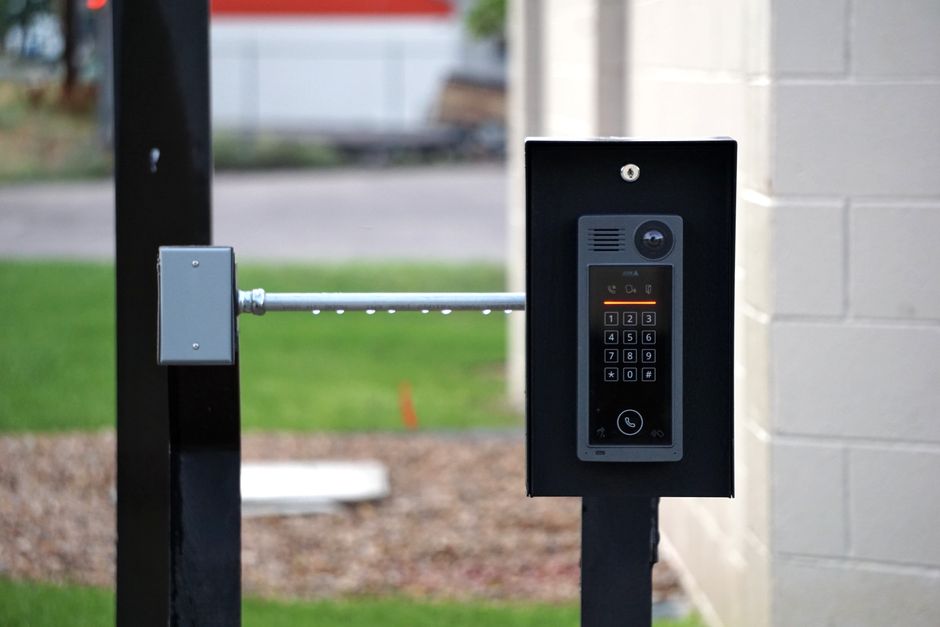
An access control system is a security solution that regulates who can enter or exit a facility or access information. It operates on the principle of restricting access to authorized individuals only. Typically, these systems consist of various components, such as authentication devices, control panels, and locks. The primary goal is to protect physical and digital assets by ensuring that only users with the correct credentials can gain entry.
Access control systems can be categorized into three main types: discretionary access control (DAC), mandatory access control (MAC), and role-based access control (RBAC). Each type serves different organizational needs and presents unique advantages. For instance, RBAC allows access based on user roles within the organization, making it easier to manage permissions as employees change roles or leave the company.
Furthermore, the integration of biometric systems, such as fingerprint scanners and facial recognition, has significantly enhanced the reliability of access control systems. These technologies provide an additional layer of security by ensuring that the person attempting to gain access is indeed who they claim to be.
Benefits of Implementing Access Control Systems
The benefits of deploying an access control system are numerous and impactful. Firstly, they enhance security by limiting access to sensitive areas. For example, a financial institution may use access controls to restrict entry to vaults and server rooms, ensuring that only authorized personnel can access critical assets.
Secondly, access control systems enhance accountability. By keeping logs of who accessed what and when, organizations can easily monitor activities and investigate any irregularities. This is particularly useful in high-security environments, where tracking movements can prevent data breaches and theft.
Statistics show that organizations that invest in modern access control systems see a reduction in security incidents by up to 30%. This is a compelling argument for businesses considering upgrading their security infrastructure.
Integrating Technology into Access Control
As technology continues to evolve, so do access control systems. The integration of cloud computing and IoT (Internet of Things) devices has transformed traditional access control into a more dynamic and scalable solution. Cloud-based access control systems allow for remote management and monitoring, offering flexibility and ease of use for administrators.
Moreover, the use of mobile access control solutions is on the rise. Employees can use their smartphones as access credentials, simplifying the entry process and eliminating the need for physical key cards. This not only improves convenience but also enhances security, as mobile devices can incorporate advanced authentication methods.
In addition, many organizations are now leveraging artificial intelligence to optimize their access control systems. AI can analyze patterns in access data, identifying potential security threats and enabling proactive measures to be taken before incidents occur.
Challenges and Considerations
Despite the advantages, there are challenges associated with implementing access control systems. One major concern is the cost of installation and maintenance. Organizations must weigh the benefits against the financial investment, especially if they operate on tight budgets.
Another challenge is user acceptance. Employees may resist changes to their routine, particularly if new systems require them to adapt to different access methods. Organizations should prioritize training and communication to ensure a smooth transition.
Data privacy is also a critical consideration. Access control systems often collect sensitive information, and it is essential to ensure that this data is stored securely and used responsibly. Compliance with regulations such as GDPR should be a priority for organizations handling personal data.
The Future of Access Control Systems
The future of access control systems is promising, with advancements in technology continuously shaping their evolution. We can expect to see greater adoption of AI, machine learning, and biometric technologies, making access control systems even more sophisticated and secure.
Additionally, the trend towards integration with other security measures, such as video surveillance and intrusion detection systems, will create more comprehensive security solutions. By consolidating these technologies, organizations can achieve a holistic approach to security, enhancing their overall protection.
As organizations become more aware of the importance of cybersecurity, the demand for robust access control systems will continue to grow. Companies that invest in these technologies will not only protect their assets but also build trust with clients and employees by demonstrating a commitment to security.
Conclusion
In conclusion, access control systems are a fundamental component of modern security strategy. They provide numerous benefits, including enhanced security, accountability, and integration with advanced technologies. While challenges exist, the advantages far outweigh them, making access control an essential investment for organizations of all sizes. By staying informed about the latest trends and continuously adapting their security measures, businesses can ensure they are well-equipped to face the evolving landscape of security threats.
For more detailed information about various types of access control system, you can refer to this link: access control system.




More Stories
The Essential Role of a Loss Prevention Consultant in Today’s Retail Environment
La importancia del servicio de verificación de antecedentes
The Essential Role of Cyber Security Companies in Today’s Digital Landscape