





The aviation industry, known for its complexity and high stakes, requires specialized insurance coverage tailored to its unique risks and challenges. As air travel continues to grow, the need for comprehensive aviation insurance becomes more crucial for operators, owners, and manufacturers. This article delves into the various facets of aviation insurance, providing insights into its types, benefits, and the factors influencing its cost.
What is Aviation Insurance?
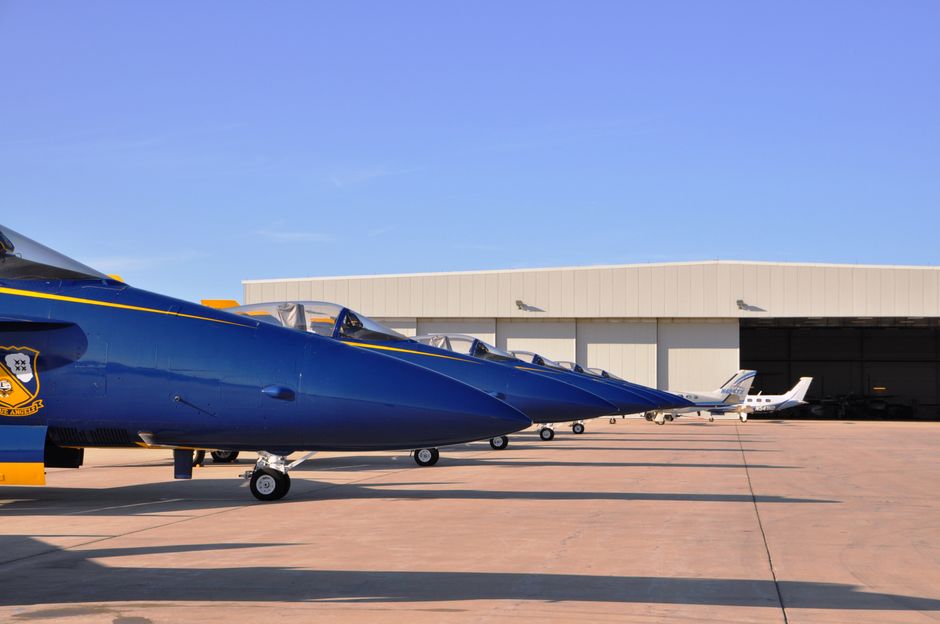
Aviation insurance is a specialized form of insurance designed to cover the risks associated with aviation and the operation of aircraft. Unlike standard insurance policies, aviation insurance includes specific coverage options that cater to the unique requirements of the aviation industry. This type of insurance protects against a myriad of risks that can arise during flight operations, aircraft maintenance, and ground handling.
The primary components of aviation insurance include hull insurance, liability insurance, and passenger liability coverage. Hull insurance covers physical damage to the aircraft itself, while liability insurance protects against claims arising from third-party injuries or property damage. Passenger liability insurance, on the other hand, covers injuries to passengers during a flight.
The Types of Aviation Insurance
There are several types of aviation insurance policies tailored to different aspects of the aviation industry. Each type serves a distinct purpose and addresses various risks associated with flying and aircraft ownership.
1. **Hull Insurance**: This covers the aircraft itself against physical damage due to accidents, theft, or vandalism. Hull insurance can be further divided into ground and in-flight coverage.
2. **Liability Insurance**: This is crucial for protecting against legal claims arising from injuries or damages caused to third parties, whether on the ground or in the air. It is essential for commercial airlines and private operators alike.
3. **Passenger Liability Insurance**: This specifically covers injuries sustained by passengers while aboard an aircraft. Given the potential for significant claims, this coverage is particularly important for commercial airlines.
4. **Workers’ Compensation Insurance**: This type of insurance covers employees who may be injured while working in the aviation industry, whether on aircraft or in ground operations.
Benefits of Aviation Insurance
The importance of aviation insurance cannot be overstated. It provides essential financial protection and peace of mind for aircraft operators and owners. Some of the key benefits include:
– **Financial Security**: In the event of an accident, aviation insurance provides financial support to cover damages and liabilities, ensuring that operators can recover without facing crippling losses.
– **Compliance with Regulations**: Many countries require specific insurance coverage for aircraft operations. Having the right aviation insurance ensures compliance with local and international regulations.
– **Risk Management**: By understanding and mitigating risks through aviation insurance, operators can focus on safely running their businesses without the constant worry of unexpected financial burdens.
Factors Influencing Aviation Insurance Costs
The cost of aviation insurance can vary significantly based on several factors. Understanding these factors can help operators make informed decisions about their coverage.
1. **Type of Aircraft**: The make, model, and age of the aircraft play a significant role in determining insurance premiums. Newer and more advanced aircraft may have higher premiums due to their increased value and potential repair costs.
2. **Usage of Aircraft**: How the aircraft is used—commercial operations, private flights, or cargo transport—also impacts insurance costs. Commercial operations typically carry higher risks, leading to higher premiums.
3. **Pilot Experience**: The qualifications and experience of the pilot operating the aircraft are crucial. Insurers often favor pilots with more flight hours and a clean safety record, which can lower premiums.
4. **Geographical Location**: The areas where the aircraft operates can affect insurance costs. Regions with higher risks of natural disasters or dense populations may lead to increased premiums.
Choosing the Right Aviation Insurance Provider
Selecting the right aviation insurance provider is essential for securing optimal coverage. Operators should consider several factors when choosing an insurer:
– **Reputation and Experience**: Look for insurance companies with a solid reputation in the aviation industry. Experienced providers often have a better understanding of the unique risks involved.
– **Coverage Options**: Ensure that the insurer offers comprehensive coverage options that meet your specific needs, including hull and liability insurance.
– **Customer Service**: Evaluate the level of customer service provided by the insurer. Responsive and knowledgeable support can make a significant difference during claims processing.
In conclusion, aviation insurance is a critical component of the aviation industry, providing essential protection against various risks. Understanding its types, benefits, and influencing factors can help operators make informed decisions. Whether you are a pilot, aircraft owner, or operator, securing the right aviation insurance is vital for safeguarding your investment and ensuring a smooth operation.




More Stories
終身保険の比較: あなたに最適なプランを見つけるためのガイド
終身保険の比較ポイントを徹底解説
The Essential Guide to Choosing a Commercial Cleaning Company