





Summer is a time of adventure, exploration, and learning, especially for elementary school students. The prospect of attending a summer camp can be thrilling for kids, offering them the chance to step outside of their daily routines and immerse themselves in new experiences. From outdoor activities to creative workshops, summer camps provide a unique environment where children can develop skills, make friends, and create lasting memories.
The Benefits of Summer Camps
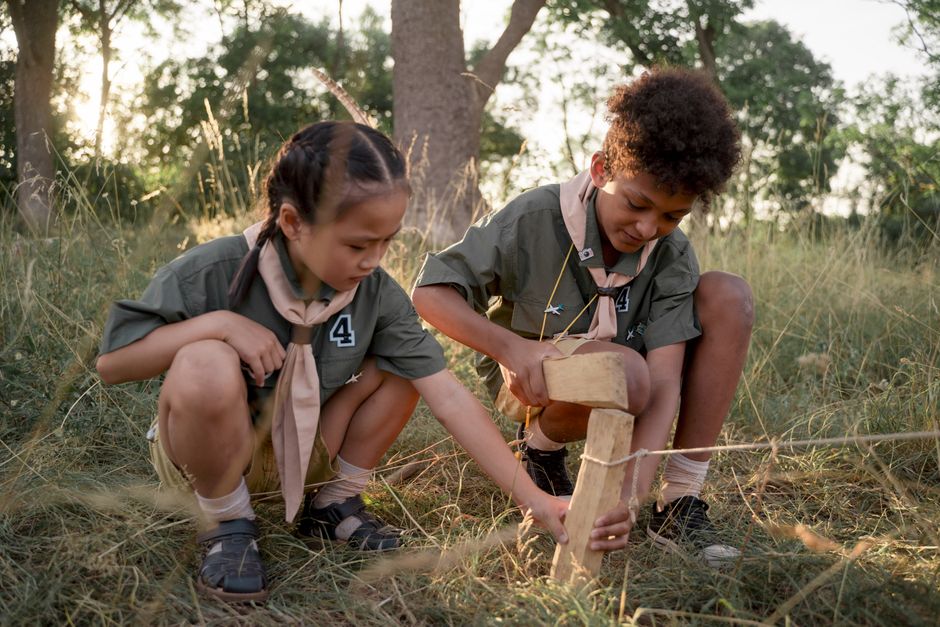
Summer camps come with a multitude of benefits that extend beyond mere fun. They serve as a fantastic platform for personal growth and development. For instance, kids get the opportunity to develop independence by trying new activities without their parents’ supervision. This autonomy fosters self-confidence, as children learn to rely on their own abilities.
Moreover, summer camps encourage teamwork and cooperation. Many activities, such as team sports or group projects, require children to collaborate, enhancing their social skills and teaching them the importance of working towards a common goal. These experiences are invaluable as they prepare children for future collaborative environments, whether in school or later in life.
Additionally, summer camps can spark creativity and encourage learning in a relaxed atmosphere. For example, camps that offer arts and crafts or science experiments allow children to express themselves and explore their interests, often leading to a newfound passion that they may carry into their academic lives.
Types of Summer Camps
There are various types of summer camps available to cater to the diverse interests of children. Some camps focus on specific skills such as sports, arts, or sciences, while others offer a more generalized experience filled with a variety of activities.
Sports camps, for instance, are ideal for children who wish to improve their athletic skills or compete at a higher level. These camps often provide specialized coaching and training, helping kids to not only enhance their abilities but also to learn the values of discipline and perseverance.
On the other hand, arts camps can be a haven for budding artists, musicians, or actors. These camps offer specialized instruction in various forms of artistic expression, allowing children to hone their craft while enjoying the creative process. For example, a child passionate about music might attend a camp that focuses on instrument training and performance.
There are also adventure camps that incorporate elements of nature, such as hiking, canoeing, and rock climbing. These camps not only promote physical fitness but also teach children about the environment and the importance of conservation.
Choosing the Right Summer Camp
When selecting a summer camp for an elementary student, it is essential to consider several factors. First and foremost, parents should evaluate their child’s interests and personality. A shy child may thrive in a smaller, more focused camp, while a more outgoing child might enjoy a larger camp with a wider variety of activities.
Additionally, researching the camp’s philosophy and program details can help parents make an informed decision. It’s crucial to review the staff-to-camper ratio to ensure personalized attention and safety. Camps that emphasize safety protocols, qualified staff, and a structured program are often more reliable.
Parents should also consider logistics such as location, duration, and cost. Some camps may be day camps, while others offer overnight experiences. Understanding these factors can help parents select a camp that fits their family’s needs and budget.
Making the Most of the Camp Experience
To maximize the benefits of a summer camp experience, parents can take several steps to prepare their children. Open communication is vital; discussing what to expect can help alleviate any anxiety a child may have. Encouraging children to set personal goals for their camp experience can also enhance their engagement and enjoyment.
Furthermore, parents should ensure that their child is equipped with the necessary gear and materials for their chosen camp. Whether it’s swim gear for a water camp or art supplies for a creative camp, being prepared can make a significant difference in a child’s comfort and confidence.
Finally, staying involved even after camp can reinforce the lessons learned and friendships made. Encouraging children to share their experiences and reflect on what they learned can help solidify their growth and memories from the summer.
Conclusion
In conclusion, summer camps present an exceptional opportunity for elementary school students to explore, learn, and grow in a fun and supportive environment. By understanding the benefits, types, and how to choose the right camp, parents can make informed decisions that will enrich their child’s summer experience. Whether it’s through sports, arts, or adventure, the memories created at summer camps can last a lifetime and contribute positively to a child’s development. For those interested in finding specific options, check out サマーキャンプ 小学生 for a range of exciting programs.




More Stories
思い出を形にするメモリアル動画の魅力
Descubre la emoción de un tour en helicóptero
The Ultimate Guide to Skydiving Schools: What You Need to Know