





In the ever-evolving landscape of manufacturing, sheet metal fabrication stands out as a critical process that combines art and science. This method involves transforming flat sheets of metal into various shapes and structures for a multitude of applications, ranging from automotive parts to intricate architectural components. Understanding the nuances of sheet metal fabrication can help businesses enhance their production efficiency while reducing costs.
Understanding Sheet Metal Fabrication
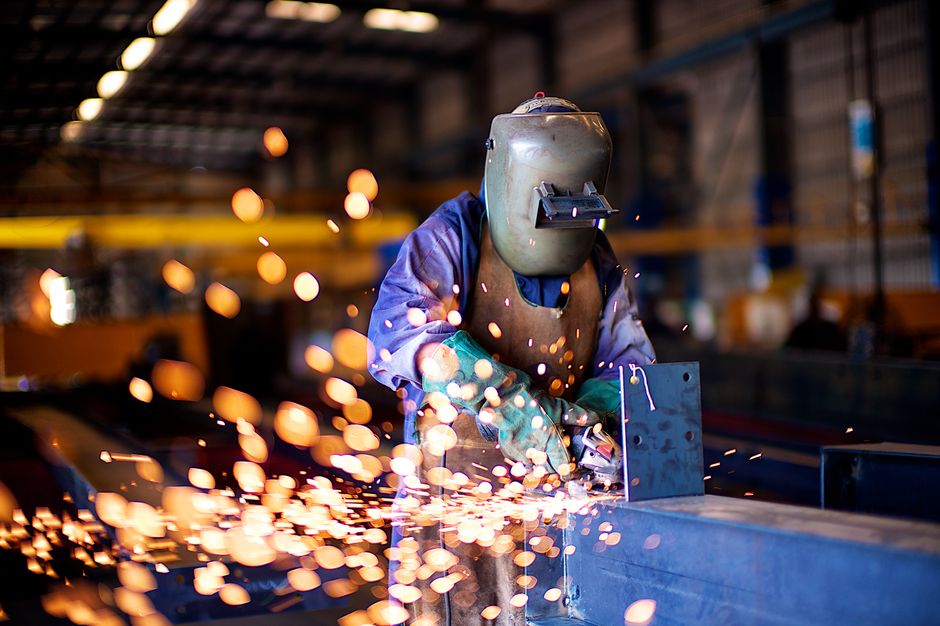
Sheet metal fabrication encompasses a wide range of processes, including cutting, bending, and assembling metal sheets into functional products. The materials typically used in this process include aluminum, steel, brass, and copper, selected based on their physical properties and the intended use of the final product. The fabrication process can be tailored to meet specific requirements, ensuring that the end product meets industry standards and customer expectations.
One of the critical aspects of sheet metal fabrication is the ability to create complex shapes using relatively simple techniques. For instance, advanced laser cutting technology allows for precise cuts that result in intricate designs without compromising the material’s integrity. Furthermore, computer numerical control (CNC) machines are often employed to automate the bending and shaping processes, ensuring consistency and accuracy across large production runs.
Key Processes in Sheet Metal Fabrication
The primary processes involved in sheet metal fabrication include:
- Cutting: This is the initial step, where sheets are cut to the desired size and shape using methods such as shearing, laser cutting, or waterjet cutting.
- Bending: After cutting, the sheets undergo bending processes to achieve the desired angles and shapes, typically using press brakes.
- Assembling: The final stage involves joining the various components using techniques like welding, riveting, or adhesive bonding.
Each of these processes can be optimized for efficiency and quality, thereby reducing waste and improving the overall production timeline. For instance, employing automated systems for cutting and bending can significantly decrease the time required for each job, allowing manufacturers to meet tight deadlines and increasing throughput.
Applications of Sheet Metal Fabrication
The versatility of sheet metal fabrication means it finds applications across numerous industries. In the automotive sector, for example, fabricated sheet metal components are essential for vehicle bodies, frames, and interior parts. The aerospace industry also relies heavily on this fabrication method to produce lightweight and durable components that can withstand extreme conditions.
In addition, the construction industry benefits from sheet metal fabrication for creating roofing systems, siding, and structural supports. According to industry statistics, the global sheet metal fabrication market is expected to reach approximately $300 billion by 2027, driven by increasing demand in these sectors.
Challenges in Sheet Metal Fabrication
While sheet metal fabrication offers numerous advantages, it is not without its challenges. One significant issue is the variability in material quality, which can affect the final product’s performance. Manufacturers must ensure that they source high-quality materials and maintain strict quality control measures throughout the fabrication process.
Additionally, as technology continues to advance, the need for skilled labor becomes increasingly important. Workers must be trained to operate complex machinery and understand the intricacies of different fabrication techniques. This requires ongoing investment in employee training and development to ensure that the workforce remains competitive and capable of meeting industry demands.
Future Trends in Sheet Metal Fabrication
Looking ahead, several trends are expected to shape the future of sheet metal fabrication. One such trend is the growing integration of automation and robotics into the fabrication process. This technology not only increases efficiency but also enhances safety by reducing the risk of human error.
Moreover, the increasing focus on sustainability is prompting manufacturers to adopt eco-friendly practices. This includes using recycled materials and implementing energy-efficient processes. Companies that embrace these practices are likely to gain a competitive edge in the market as consumers become more environmentally conscious.
Furthermore, the rise of digital manufacturing technologies, such as 3D printing, is beginning to complement traditional sheet metal fabrication methods. This hybrid approach allows for greater design flexibility and faster prototyping, enabling manufacturers to respond swiftly to market changes.
Conclusion
In conclusion, sheet metal fabrication is a vital process that underpins numerous industries, providing the foundation for countless products we use daily. By understanding the intricacies of this art and science, businesses can optimize their fabrication processes, reduce costs, and enhance product quality. Keeping abreast of industry trends and advancements will be crucial for manufacturers looking to thrive in an increasingly competitive landscape. For more insights into the world of sheet metal fabrication, companies should consider investing in research and development to stay ahead of the curve.




More Stories
The Essential Guide to Aircraft Maintenance Companies
La importancia de la empresa carga aérea en el comercio global
The Ultimate Guide to Private Jet Charter Services