





In the manufacturing industry, rubber molding plays a crucial role in creating a variety of products used across different sectors. From automotive parts to consumer goods, rubber molding manufacturers are responsible for producing high-quality, durable components. This article will explore the intricacies of rubber molding, the different processes involved, and how to select the right manufacturer for your needs.
Understanding Rubber Molding
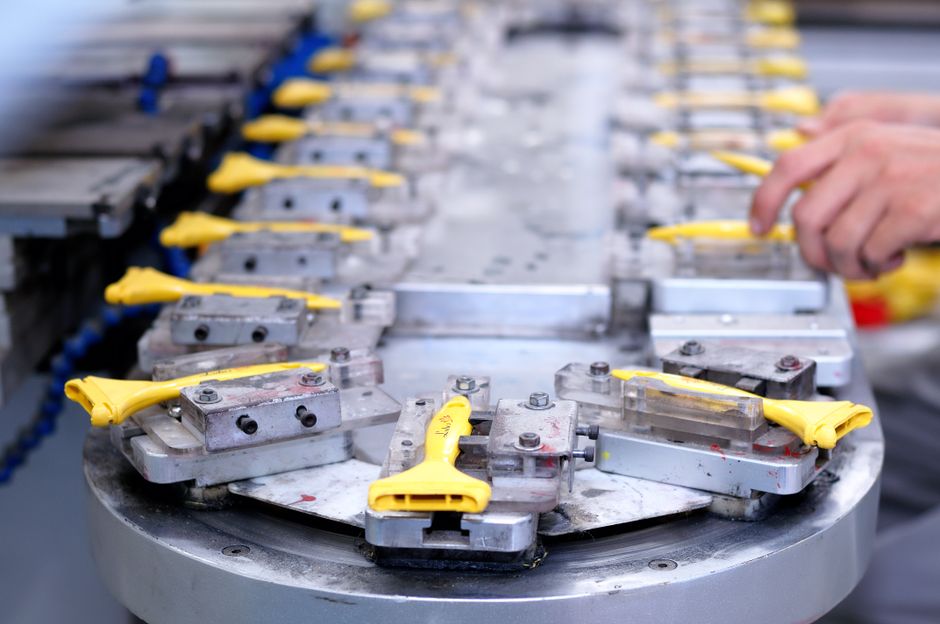
Rubber molding is a manufacturing process that involves shaping raw rubber into specific forms using heat and pressure. This technique is widely used due to its versatility and efficiency. The process can be categorized into different types, including compression molding, injection molding, and transfer molding. Each method has its advantages and is chosen based on the product requirements.
Compression molding is often used for large parts and involves placing rubber into a heated mold, where it is compressed to take the shape of the mold. Injection molding, on the other hand, is ideal for producing intricate shapes and involves injecting molten rubber into a mold under high pressure. Transfer molding combines aspects of both processes and is suitable for complex designs.
Factors to Consider When Choosing a Manufacturer
Selecting the right rubber molding manufacturer is critical for ensuring product quality and timely delivery. There are several factors to consider when making this decision. First, assess the manufacturer’s experience and expertise in the industry. Companies with a long track record of successful projects are generally more reliable.
Another important factor is the range of services offered. A good manufacturer should provide not only molding services but also additional capabilities such as prototyping, design assistance, and quality testing. This can help streamline the production process and reduce lead times.
Additionally, consider the manufacturer’s production capacity and technology. Advanced machinery and equipment can enhance precision and reduce costs, making it easier to meet high-volume orders. Companies that stay updated with the latest technologies can often provide better quality products.
Quality Control in Rubber Molding
Quality control is essential in the rubber molding industry. Manufacturers must implement rigorous testing procedures to ensure that their products meet industry standards and customer specifications. This includes testing for durability, flexibility, and resistance to environmental factors.
Many rubber molding manufacturers adhere to international quality standards, such as ISO 9001, which ensures a systematic approach to quality management. Regular audits and inspections are also conducted to maintain compliance and improve processes.
For example, a leading rubber molding manufacturer might use automated inspection systems that utilize advanced imaging technology to detect defects in real time. This proactive approach helps to minimize waste and ensures that only the highest quality products reach customers.
Industry Applications of Rubber Molding
The applications of rubber molding are vast and varied. In the automotive industry, molded rubber parts are used in tires, seals, and gaskets, all of which contribute to vehicle performance and safety. In the medical field, rubber components are essential for devices such as syringes and blood bags.
Furthermore, consumer products like kitchenware, footwear, and toys often incorporate molded rubber. The versatility of rubber allows manufacturers to create products that are both functional and aesthetically pleasing.
In recent years, the demand for sustainable rubber products has also increased. Manufacturers are now exploring eco-friendly materials and processes to meet consumer expectations for environmentally responsible products. This shift not only benefits the planet but also opens up new market opportunities.
The Future of Rubber Molding
The rubber molding industry is evolving, driven by technological advancements and changing consumer preferences. Automation and smart manufacturing are set to revolutionize the way products are made, leading to greater efficiency and lower costs.
Moreover, the rise of additive manufacturing and 3D printing technologies is beginning to influence rubber molding processes. These innovations allow for more complex designs and rapid prototyping, enabling manufacturers to respond quickly to market demands.
As the industry continues to grow, it is essential for manufacturers to stay adaptable and innovative. Collaborating with experts and investing in research and development will be crucial for maintaining a competitive edge.
For those looking for a reliable source in this field, partnering with a reputable fabricante moldeo caucho can make a significant difference in product quality and overall success.
Conclusion
In conclusion, rubber molding is a vital process in modern manufacturing, providing essential components for a wide range of industries. By understanding the different molding techniques, assessing manufacturers carefully, and prioritizing quality control, businesses can ensure that they receive the best products possible. As the industry continues to innovate and adapt, staying informed about the latest trends and technologies will be key to success.




More Stories
The Essential Guide to Aircraft Maintenance Companies
La importancia de la empresa carga aérea en el comercio global
The Ultimate Guide to Private Jet Charter Services