





In an age where online privacy and security are paramount, Virtual Private Networks, commonly known as VPNs, have become indispensable tools for internet users. Whether you’re accessing sensitive information over public Wi-Fi or seeking to bypass geo-restrictions on content, understanding VPN services is crucial. This article delves into what VPNs are, how they function, and why they are essential for both personal and professional use.
What is a VPN?
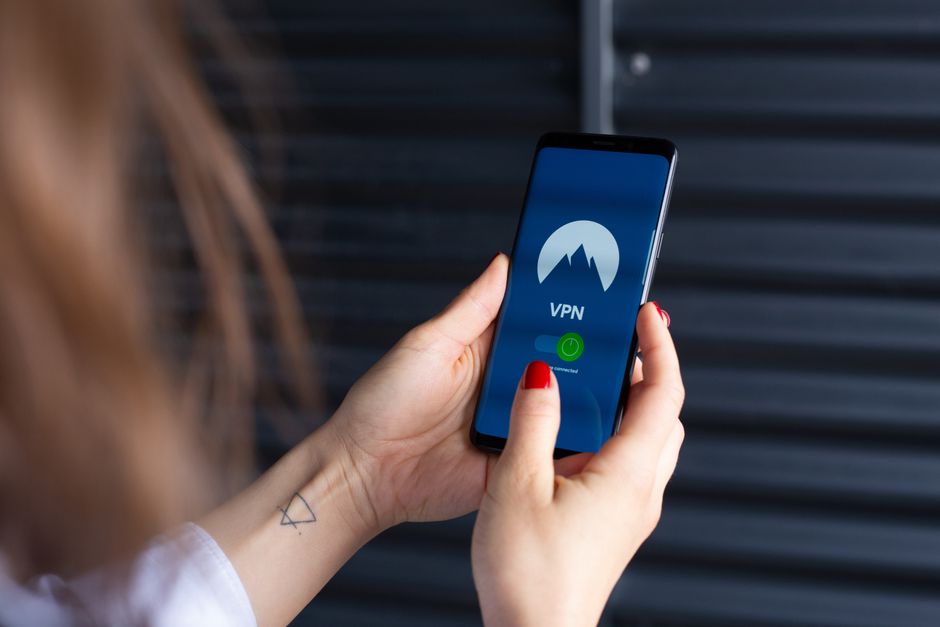
A VPN, or Virtual Private Network, is a technology that creates a secure and encrypted connection over a less secure network, such as the Internet. By using a VPN, your internet traffic is routed through a remote server operated by the VPN provider, effectively masking your IP address and encrypting your data. This means that your online activities are shielded from hackers, government surveillance, and even your Internet Service Provider (ISP).
The fundamental purpose of a VPN is to enhance your online security and privacy. When you connect to a VPN, your data is encrypted, making it significantly harder for anyone to intercept or access your personal information. This encryption is particularly crucial when using public Wi-Fi networks, where cyber threats are prevalent.
Additionally, VPNs allow users to access websites and services that may be restricted in their geographical location. For instance, if you’re traveling abroad and want to access your favorite streaming service, a VPN can help you bypass these geographical restrictions by making it appear as though you are browsing from your home country.
Why Use a VPN?
There are several compelling reasons to consider using a VPN service. First and foremost is the aspect of online security. With cyber threats on the rise, a VPN serves as a protective barrier between you and potential hackers. According to a report by Cybersecurity Ventures, cybercrime is expected to cost the world $10.5 trillion annually by 2025, making the need for robust security measures more critical than ever.
Another significant benefit of using a VPN is privacy. As users become more aware of data collection practices by companies and governments, the demand for privacy-enhancing technologies has surged. A VPN can help keep your browsing habits and personal information private, ensuring that you maintain control over your data.
Moreover, VPNs can also enhance your online experience by improving connection speeds and reducing latency, particularly for gamers and streaming enthusiasts. Many VPN providers offer servers specifically optimized for gaming and streaming, allowing users to enjoy a smoother and faster experience.
Choosing the Right VPN Service
With a myriad of VPN services available, selecting the right one can be daunting. Key factors to consider include security protocols, server locations, speed, and customer support. Look for VPNs that offer strong encryption standards, such as AES-256, and a no-logs policy to ensure that your data is not stored or sold to third parties.
Additionally, consider the number of servers and their locations. A VPN with a broad range of servers allows for more options and better chances of finding a fast connection. Also, check for compatibility with various devices, as a good VPN should work seamlessly across smartphones, tablets, and desktops.
Lastly, read reviews and comparisons to find a VPN service that best meets your needs. Platforms like VPN service review sites can provide valuable insights into the performance and reliability of different VPN providers.
The Impact of VPNs on Internet Freedom
VPNs play a crucial role in promoting internet freedom, especially in countries with strict censorship laws. Users in such regions can leverage VPN technology to bypass government restrictions and access a free and open internet. This has become increasingly vital in a world where information is power, and access to it can be limited by oppressive regimes.
Moreover, VPNs empower individuals by allowing them to express their opinions freely without fear of retribution. For activists, journalists, and everyday citizens, the ability to communicate and share information without surveillance is essential for fostering democratic engagement and social change.
However, it’s important to note that the legality of VPN usage varies by country. In some regions, the use of VPNs is restricted or even illegal, so individuals should always familiarize themselves with local laws regarding VPN usage.
Conclusion: The Future of VPN Services
As internet threats evolve and the demand for online privacy increases, VPN services will continue to be a vital part of the digital landscape. The future of VPNs is likely to see advancements in technology, with enhanced security features and faster connection speeds becoming standard. Additionally, as more users recognize the importance of online privacy, the market for VPN services will continue to expand, offering a wider range of options for consumers.
In conclusion, whether you are concerned about your online security, want to access blocked content, or simply value your privacy, investing in a reliable VPN service is a wise choice. Understanding the benefits and functionalities of VPNs can help you navigate the internet safely and securely, ensuring that you can access the information you need without compromising your personal data.




More Stories
Descubre las mejores opciones de hosting web barato
愛犬のための最適な環境:犬の保育園の魅力
結婚式の思い出を永遠に残すカメラマンの選び方