





The kitchen is often considered the heart of the home, and a well-executed kitchen remodeling project can significantly enhance both the functionality and aesthetic appeal of this central space. Whether you’re an avid cook or someone who simply enjoys gathering with family and friends, the design of your kitchen is crucial. This article delves into the essential aspects of kitchen remodeling, providing insights and practical advice to help you create the kitchen of your dreams.
Understanding Your Needs
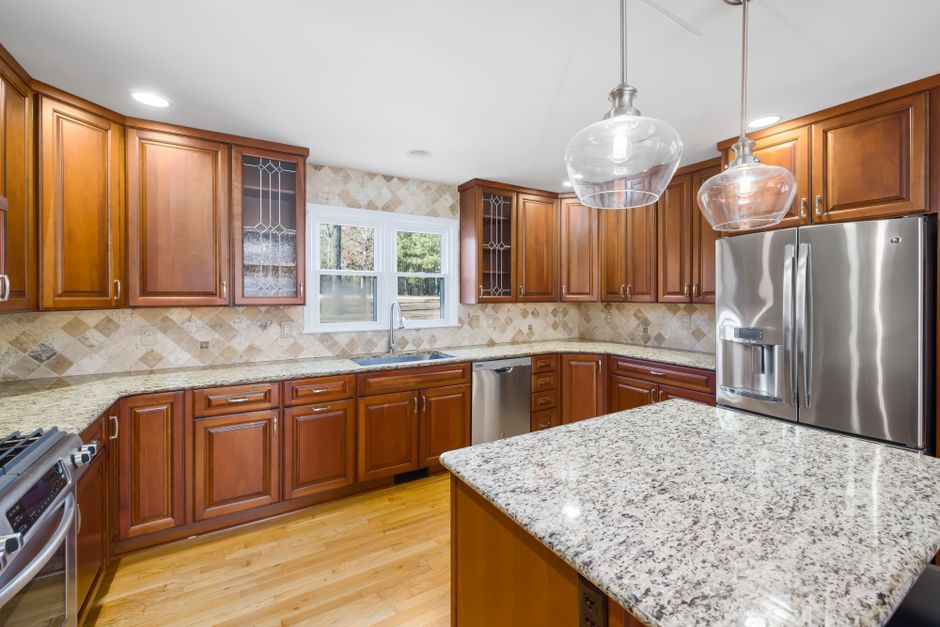
Before embarking on any remodeling project, it’s essential to assess your needs and preferences. Consider how you use your kitchen: Do you cook frequently? Is it a space for entertaining? Understanding your lifestyle will help guide your design choices. For instance, if you often have guests over, an open layout might be ideal. In contrast, if you prefer cooking alone, a more compact and efficient design could suit you better.
Additionally, think about your family’s needs. Do you have children who require safety features? Are there any specific appliances or storage solutions that would make your life easier? By identifying these needs upfront, you can create a more tailored plan that reflects your unique lifestyle.
Moreover, setting a budget is key to any successful kitchen remodeling project. Research average costs in your area to get a realistic idea of what to expect. This will help you make informed decisions about materials, appliances, and labor.
Design Trends and Styles
In recent years, kitchen design trends have evolved significantly. Open-concept kitchens that flow into dining areas have become increasingly popular, promoting a sense of togetherness and spaciousness. When planning your kitchen remodeling, consider incorporating elements such as large islands, which provide additional counter space and can serve as informal dining areas.
Another trend is the integration of smart technology. From refrigerators that tell you when you’re out of groceries to smart ovens that can be controlled via your smartphone, these innovations can enhance your cooking experience. It’s worth considering which technologies could benefit you and how they can be seamlessly integrated into your design.
Colors and materials also play a significant role in setting the tone of your kitchen. Neutral palettes with pops of color through accessories and appliances can create a modern and inviting atmosphere. Alternatively, a more rustic approach with wooden finishes and vintage fixtures can evoke a cozy, homey feel.
Choosing Materials and Appliances
The materials you choose for your kitchen remodeling project will greatly impact its durability and overall look. Countertops are a focal point in any kitchen, and options range from classic granite to modern quartz or even sustainable materials like recycled glass. Each material has its pros and cons, so it’s essential to weigh your options carefully.
When it comes to cabinetry, consider the style and finish that will best suit your overall design. Custom cabinetry can provide a perfect fit and unique details, while stock cabinets are a budget-friendly option. Pay attention to hardware as well; the right knobs and pulls can elevate your kitchen’s style significantly.
Appliances are another critical aspect of kitchen remodeling. Energy-efficient models can save you money in the long run and are better for the environment. Be sure to choose appliances that not only fit your design but also meet your cooking needs.
Planning the Layout
The layout of your kitchen is crucial to its functionality. The kitchen work triangle concept—positioning the sink, stove, and refrigerator in a triangular layout—remains a reliable guideline for efficient kitchen design. This layout minimizes the distance between essential areas, making cooking and cleaning more convenient.
However, modern kitchens often incorporate additional zones for tasks like baking or prep work. Consider how you can create distinct areas for these activities while maintaining an overall flow. An island can serve as a central hub for meal preparation and socializing, enhancing the kitchen’s usability.
Don’t forget about storage solutions! Maximizing storage can prevent clutter and make your kitchen more functional. Consider vertical storage options, pull-out shelves, and drawer organizers to optimize every inch of space.
Final Touches and Personalization
Once the major elements of your kitchen are in place, it’s time to add the finishing touches that reflect your personality. Decorative elements such as artwork, plants, or unique light fixtures can make your kitchen feel more inviting.
Textiles also play a vital role in kitchen aesthetics. Consider colorful dish towels, stylish curtains, or a decorative rug to enhance your design. These small details can significantly impact the overall ambiance of your kitchen.
Lastly, don’t forget about functionality. While aesthetics are important, your kitchen should also be easy to maintain. Choose materials and finishes that are durable and easy to clean to ensure your kitchen remains a welcoming space for years to come.
Conclusion
Kitchen remodeling is a rewarding endeavor that can transform your cooking space into a functional and beautiful environment. By understanding your needs, staying informed about design trends, and making thoughtful choices regarding materials and layout, you can create a kitchen that truly reflects your lifestyle. Remember, planning is key, and taking the time to consider every detail will pay off in the end. With the right approach, your kitchen can become a cherished space in your home.




More Stories
La Importancia de la Topografía en Proyectos de Construcción
The Essential Guide to Choosing a Demolition Contractor
The Essential Guide to Scaffolding Rental for Construction Projects