





Replacing a roof is a significant investment for any homeowner, and understanding the costs involved is crucial for effective budgeting and planning. The price of a roof replacement can vary greatly depending on several factors, including the type of materials used, labor costs, and the overall complexity of the job. In this article, we will delve into the various aspects that influence roof replacement costs, helping you make informed decisions.
Factors Influencing Roof Replacement Costs
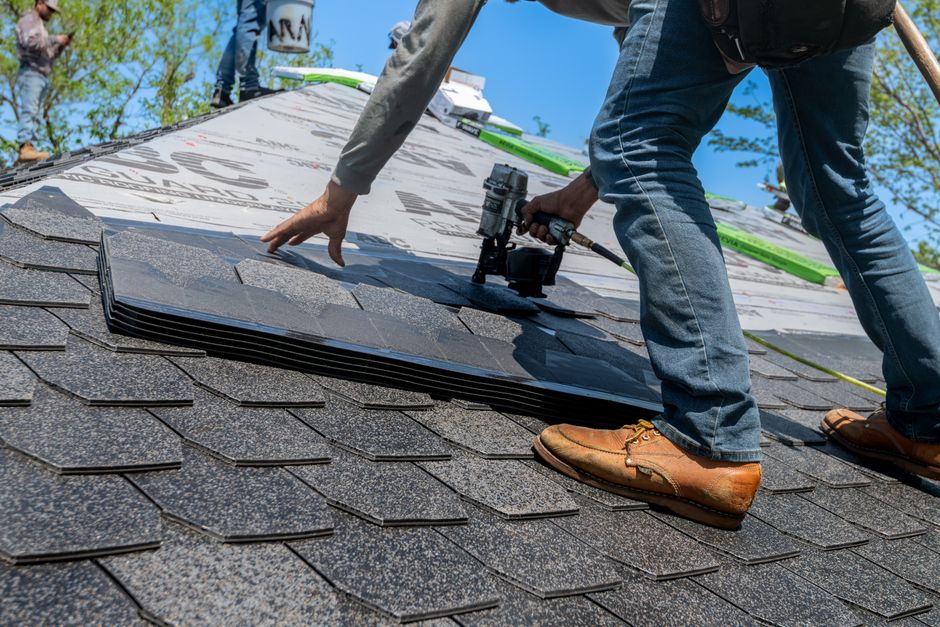
When it comes to roof replacement, several key factors can influence the overall cost. These include the roofing materials chosen, the size of the roof, and the geographical location of the property. For instance, high-end materials like slate or tile will significantly increase costs compared to asphalt shingles. Additionally, larger roofs will naturally require more materials and labor, resulting in higher expenses.
The location of your home also plays a critical role in determining costs. In urban areas, labor rates may be higher due to demand, while rural areas might have fewer contractors available, potentially increasing costs due to limited competition. Furthermore, local building codes and regulations can impact the choice of materials and the overall cost of the project.
Average Costs for Different Roofing Materials
Understanding the average costs associated with different roofing materials can help homeowners make more informed choices. Asphalt shingles, the most common roofing material, typically range from $90 to $100 per square (100 square feet) for materials only. In contrast, metal roofing can cost between $120 to $900 per square, depending on the type of metal and finish.
For more durable options, tile roofing can range from $300 to $800 per square, while slate roofing can exceed $1,000 per square. It’s crucial to consider not only the material costs but also the lifespan and maintenance requirements of each option. While cheaper materials might save money upfront, they could lead to higher costs in the long run due to repairs or replacements.
Labor Costs and Additional Expenses
Labor costs are another significant component of roof replacement expenses. On average, homeowners can expect to pay between $150 to $300 per square for labor. This cost can vary based on the complexity of the roof design and the contractor’s experience. It is advisable to obtain multiple quotes from different contractors to ensure a competitive price.
Additionally, homeowners should be prepared for other potential costs that can arise during a roof replacement. These may include removing the old roof, repairing any underlying damage to the roof deck, and installing insulation or ventilation systems. Such costs can add up quickly, sometimes amounting to several thousand dollars, so it’s essential to factor these into your budget.
The Importance of Choosing the Right Contractor
Selecting the right contractor is crucial for ensuring a successful roof replacement project. A qualified contractor will not only provide accurate estimates but also ensure that the installation is done correctly, adhering to local building codes. When researching potential contractors, look for those with good reviews and ratings, as well as valid licenses and insurance.
Moreover, consider asking for references or viewing previous work to gauge their expertise. A reliable contractor will also be transparent about the roof replacement cost and the factors that influence it, allowing you to make a more informed decision.
Financing Options for Roof Replacement
For many homeowners, the cost of roof replacement can be daunting. Fortunately, various financing options are available to help manage these expenses. Many contractors offer financing plans that allow you to pay in installments, making it easier to budget for the project.
Additionally, homeowners may consider personal loans or home equity lines of credit (HELOC) to finance their roof replacement. It’s essential to carefully review the terms and interest rates associated with any financing option to ensure it fits within your budget.
Conclusion
In conclusion, understanding roof replacement costs is essential for every homeowner. By considering the various factors that influence these costs, such as materials, labor, and contractor selection, you can make informed decisions that will protect your investment. Whether you choose asphalt shingles, metal roofing, or another material, being prepared can help you navigate this significant home improvement project with confidence.




More Stories
La Importancia de la Topografía en Proyectos de Construcción
The Essential Guide to Choosing a Demolition Contractor
The Essential Guide to Scaffolding Rental for Construction Projects